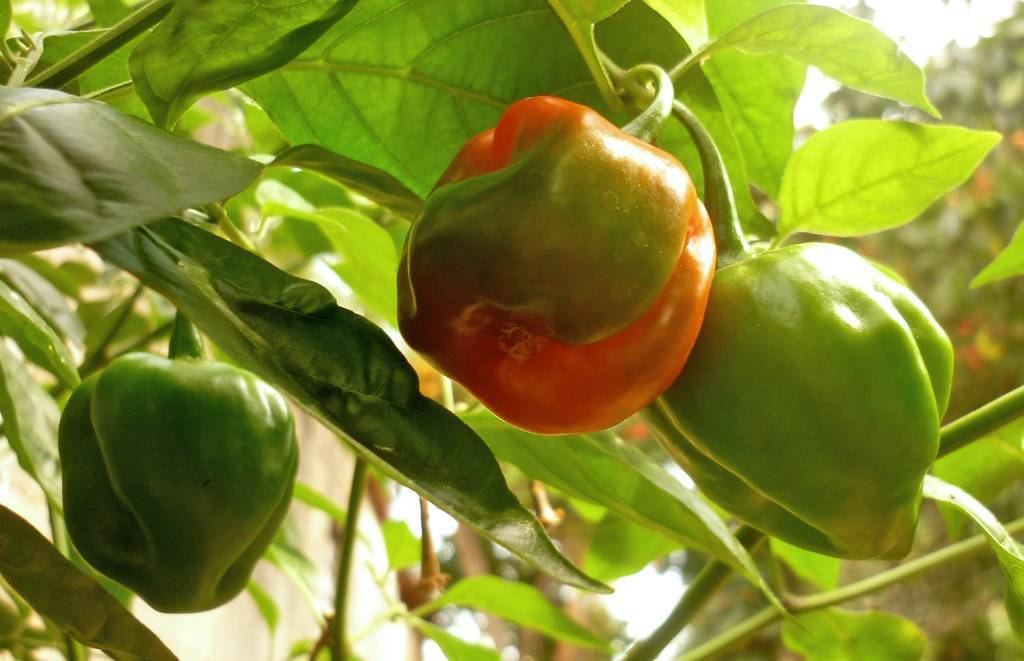
Few crops deliver the range that peppers do. One plant gives you a crunchy sweet bell for salads; the next gives you a habanero hot enough to clear your sinuses. Whether you're chasing your first harvest of jalapeños or pushing your heat tolerance with a Carolina Reaper, learning how to grow peppers opens the door to one of the most rewarding sections of the summer garden. They're warm-season, sun-loving plants that reward patience — and once you dial in their care, you'll wonder why you ever bought them at the grocery store.
In this guide, we'll walk through everything from choosing varieties and starting seeds to managing common problems and timing your harvest. Let's get into it.

Understanding Pepper Varieties: From Zero to Millions on the Scoville Scale
All peppers belong to the genus Capsicum, but two species dominate home gardens. Capsicum annuum includes the majority of common types — bell peppers, jalapeños, serranos, cayennes, banana peppers, and poblanos. The super-hot varieties — habaneros, Scotch bonnets, ghost peppers, and the infamous Carolina Reaper — belong to Capsicum chinense.
The Scoville Heat Unit (SHU) scale measures capsaicin concentration, the compound responsible for that burn. Here's how popular hot pepper varieties stack up:
- Bell peppers: 0 SHU — zero heat, all sweetness
- Banana peppers: 0–500 SHU — mild tang, great for sandwiches
- Poblano: 1,000–2,000 SHU — mild warmth, perfect for stuffing
- Jalapeño: 2,500–8,000 SHU — the gateway hot pepper
- Serrano: 10,000–25,000 SHU — crisp heat, ideal for fresh salsa
- Cayenne: 30,000–50,000 SHU — drying and powder staple
- Habanero: 100,000–350,000 SHU — fruity fire
- Ghost pepper (Bhut Jolokia): ~1,000,000 SHU — serious heat
- Carolina Reaper: 1,400,000–2,200,000 SHU — current record holder
For your first season growing peppers, start with a mix. Plant a few sweet bells for the kitchen, some jalapeños for salsa, and maybe one habanero plant to test your limits. Variety is the whole point.
Starting Peppers From Seed
Peppers are slow starters. They need 8–10 weeks of indoor growing time before transplant, which means starting seeds in late winter for most zones. If you're in Zone 9 or warmer, you might start as early as January; in Zone 5, mid-March is the window. Check our guide on when to plant peppers for zone-specific timing.

Seed Starting Steps
- Use a quality seed-starting mix. Not garden soil — you need something sterile, light, and well-draining. A peat-free mix with perlite works well.
- Plant seeds 1/4 inch (6 mm) deep. Press them gently into moist mix and cover lightly.
- Keep soil temperature at 80–85°F (27–29°C). This is non-negotiable. Pepper seeds germinate poorly below 70°F (21°C). A heat mat is worth the investment.
- Be patient. Super-hot varieties can take 2–4 weeks to germinate. Standard varieties typically sprout in 7–14 days.
- Provide strong light immediately. As soon as seedlings emerge, they need 14–16 hours of bright light. A basic shop light with T5 or LED tubes kept 2–4 inches (5–10 cm) above the plants prevents legginess.
- Pot up when you see 2–3 sets of true leaves. Move seedlings into 3–4 inch (8–10 cm) pots with richer potting mix. This encourages root development.
One tip that experienced growers swear by: topping your seedlings. When a plant has 6–8 sets of leaves, pinch or cut the growing tip. This forces the plant to branch, which means more fruiting sites and a bushier plant overall.
Transplanting Peppers Outdoors
Peppers are tropical plants. They hate cold. Don't rush transplanting — wait until nighttime temperatures consistently stay above 55°F (13°C) and soil temperature reaches at least 65°F (18°C). For most of the US, that's 2–3 weeks after the last frost date.
Hardening Off
Before transplanting, spend 7–10 days gradually exposing seedlings to outdoor conditions. Start with a couple hours in dappled shade, then slowly increase sun exposure and time outside. Skip this step and your plants will sunburn, wilt, or stall for weeks.
Planting Technique
- Spacing: 18–24 inches (45–60 cm) apart for most varieties. Large bells may need 24 inches; compact hot peppers can get by with 15 inches (38 cm).
- Depth: Plant slightly deeper than the pot level, burying the stem up to the first set of leaves. Like tomatoes, peppers can develop adventitious roots along buried stems.
- Add support early. Stake or cage plants at transplant time. A loaded bell pepper plant can easily snap a stem in wind.
- Mulch immediately. 2–3 inches (5–8 cm) of straw or shredded leaves keeps soil moisture consistent and roots cool.

Sun, Soil, and Water: The Big Three of Pepper Plant Care
Sunlight
Peppers want full sun — a minimum of 6–8 hours of direct sunlight daily. More is better. In hot climates (Zones 9–10), some afternoon shade can actually help prevent sunscald on fruit, but the plants themselves thrive in heat. The hottest pepper varieties in particular seem to produce more capsaicin with more sun exposure.
Soil
Aim for well-draining, loamy soil with a pH between 6.0 and 6.8. Heavy clay suffocates roots; pure sand drains too fast. Amend clay-heavy beds with compost and perlite. Raised beds are excellent for pepper plant care because they warm up faster in spring and drain well after summer storms.
Before planting, work in 2–3 inches (5–8 cm) of aged compost. Peppers are moderate feeders — they don't need the heavy nitrogen that leafy greens crave, but they do want rich, biologically active soil.
Watering
Consistent moisture is the goal. Not soggy, not bone-dry — evenly moist. Peppers are more drought-tolerant than tomatoes, but inconsistent watering is one of the top triggers for blossom drop and blossom end rot.
- Water deeply 1–2 times per week rather than light daily sprinkles. Deep watering encourages roots to grow down rather than staying shallow.
- Drip irrigation or soaker hoses are ideal — they keep foliage dry, which reduces fungal disease risk.
- Check soil moisture at 2 inches (5 cm) deep. If it's dry, water. If it's damp, wait.
- Container peppers need more frequent watering — sometimes daily in peak summer. Use pots at least 5 gallons (19 liters) for full-size varieties.
How to Fertilize Peppers
Pepper fertilizing follows a simple two-phase approach:
Phase 1 — Vegetative growth (transplant through first flowers): Use a balanced fertilizer (10-10-10 or similar) every 2–3 weeks. The plant is building its structure — leaves, stems, and root mass. You can also side-dress with compost or use a fish emulsion drench.
Phase 2 — Flowering and fruiting: Switch to a low-nitrogen, high-phosphorus and potassium formula (something like 5-10-10 or a dedicated tomato/pepper fertilizer). Too much nitrogen at this stage pushes leafy growth at the expense of fruit.
A calcium supplement (bone meal or calcium spray) helps prevent blossom end rot, especially in fast-growing varieties and container plants. Epsom salt foliar sprays (1 tablespoon per gallon / 15 ml per 4 liters) every few weeks provide magnesium, which supports chlorophyll production and overall plant vigor.
Common Pepper Problems and How to Fix Them
Even experienced growers hit snags. Here are the issues you're most likely to encounter when growing peppers:

Blossom Drop
Flowers form and then fall off before setting fruit. This is almost always environmental:
- Daytime temps above 95°F (35°C) or nighttime temps above 75°F (24°C) prevent pollination.
- Low humidity dries out pollen before it can be transferred.
- Overwatering or underwatering stresses the plant into dropping flowers.
Fix: Shade cloth during extreme heat, consistent watering, and patience. When temps moderate, the plant will set fruit again. You can also gently shake plants during morning hours to aid self-pollination.
Aphids
These tiny sap-suckers love tender new growth. They cluster on stem tips, under leaves, and around flower buds. Left unchecked, they spread viruses and weaken the plant.
Fix: A strong spray of water knocks off most aphids. For persistent infestations, neem oil or insecticidal soap applied every 5–7 days controls populations. Encourage ladybugs and lacewings — they're voracious aphid predators. Planting companion herbs like basil and dill nearby helps attract these beneficial insects. Our companion planting guide has a full breakdown of what grows well with peppers.
Sunscald
White or tan papery patches on the sun-facing side of fruit. This happens when fruit is suddenly exposed to intense direct sun — often after pruning or heavy wind removes shading leaves.
Fix: Don't over-prune. Leave enough foliage to shade developing fruit. In extremely hot climates, 30% shade cloth over fruiting plants helps. Sunscalded fruit is still edible — just cut away the damaged area.
Blossom End Rot
Dark, sunken spots on the bottom of fruit. This is a calcium uptake issue, usually caused by inconsistent watering rather than a lack of calcium in the soil. Bell peppers are particularly susceptible.
Fix: Maintain even soil moisture with mulch and consistent watering. Avoid over-fertilizing with nitrogen. If the problem persists, a calcium foliar spray can provide a short-term fix while you address the root cause.
Other Pests to Watch For
- Hornworms: Large green caterpillars that can strip a plant overnight. Handpick them.
- Flea beetles: Tiny beetles that leave shot-hole damage on leaves. Row covers on young transplants prevent damage during the vulnerable early weeks.
- Pepper maggots: Larvae bore into fruit. Rotate crops annually and use yellow sticky traps to monitor adults.
When and How to Harvest Peppers
This is the best part. Harvest timing depends on what you're growing and how you plan to use it.

Sweet Peppers
You can pick bell peppers at any stage, but flavor improves dramatically as they ripen. A green bell is just an unripe red (or yellow, or orange) bell. Fully ripe bells have higher sugar content and more vitamin C. Most bells take 60–90 days from transplant to reach full color.
Hot Peppers
Heat and flavor both intensify as hot peppers ripen. A red jalapeño is noticeably hotter and sweeter than a green one. Super-hot varieties like habaneros and ghost peppers should be left on the plant until they're fully colored and slightly soft to the touch.
Harvest Tips
- Use pruners or scissors. Don't pull — you'll damage the branch. Cut the stem 1/2 inch (1 cm) above the fruit.
- Harvest regularly. Picking ripe fruit signals the plant to produce more. Leaving overripe peppers on the plant slows production.
- Wear gloves for super-hots. Capsaicin oil from habaneros and hotter varieties can cause painful skin and eye irritation. Seriously — don't touch your face.
- Harvest before frost. Peppers die at the first hard frost. If frost is forecasted, harvest everything, even green fruit. Green peppers will ripen slowly indoors on a sunny windowsill.
Extending the Season and Preserving Your Harvest
A good pepper year can produce more fruit than you can eat fresh. Here's how to handle the abundance:
- Freezing: Slice or dice peppers and freeze flat on a sheet pan, then transfer to bags. No blanching needed — they hold up well.
- Drying: String cayennes and Thai chilis on a thread and hang in a warm, dry spot. Or use a dehydrator at 135°F (57°C) for 8–12 hours. Grind dried peppers into your own custom chili powder.
- Pickling: Quick-pickle banana peppers, jalapeños, or serranos with vinegar, salt, and sugar. Ready in 24 hours, shelf-stable for months.
- Hot sauce: Fermented hot sauce is a rabbit hole worth going down. Blend your hottest peppers with salt and let them ferment for 1–4 weeks. The result is complex, funky heat you can't buy at the store.
- Overwintering: In Zones 9–11, pepper plants are short-lived perennials. In colder zones, you can bring container plants indoors before frost, prune them back hard, and keep them alive through winter in a bright window. They'll produce earlier the following season from an established root system.
Sam's Story: Growing 40 Varieties in San Diego
Sam from San Diego started growing peppers five years ago with a single jalapeño plant in a 5-gallon bucket on his apartment balcony. That one plant produced over 80 peppers in a single season. "I was hooked," he says. "The next year I had twelve varieties. Now I'm pushing forty."
Sam grows everything from classic Californian Anaheims to exotic C. chinense super-hots like the Chocolate Scorpion and Peach Ghost. His setup is simple: raised beds in his backyard, drip irrigation on a timer, and a healthy obsession with the Scoville scale. "What I love is that every variety is different. The flavor profiles, the growth habits, the way they respond to my climate — it's like collecting but you eat the collection."
When asked about his biggest lesson? "Don't fight your zone. I used to struggle with blossom drop every August when temps spike past 100°F (38°C). Now I use 40% shade cloth from July through September, and I mulch like crazy. My yields doubled." Sam discovered local growers in his area through Tendra's community features, swapping seeds and comparing notes on heat-tolerant varieties that thrive in Southern California's Zone 10b microclimate.
Quick-Reference Growing Peppers Cheat Sheet
| Factor | Sweet Peppers | Hot Peppers |
|---|---|---|
| Days to Harvest | 60–90 from transplant | 70–120+ from transplant |
| Sun | 6–8+ hours | 8+ hours |
| Soil pH | 6.0–6.8 | 6.0–6.8 |
| Spacing | 18–24 in (45–60 cm) | 15–24 in (38–60 cm) |
| Water | 1–2 in (2.5–5 cm) weekly | 1–2 in (2.5–5 cm) weekly |
| Fertilizer (fruiting) | Low-N, high P-K | Low-N, high P-K |
| Seed Start (before last frost) | 8–10 weeks | 10–12 weeks |
| Soil Temp for Transplant | 65°F (18°C) | 65°F (18°C) |
Grow What You Love to Eat
The best part of learning how to grow peppers is tailoring your garden to your kitchen. Love stir-fry? Plant shishitos and Thai chilis. Obsessed with salsa? Grow jalapeños, serranos, and a few varieties of sweet peppers for balance. Into fermentation and hot sauce? Go deep on habaneros and ghost peppers.
Peppers are one of those crops where the home-grown version is genuinely, noticeably better than store-bought. Vine-ripened bells are sweeter. Fresh-picked serranos are crisper. And there are hundreds of varieties — Lemon Drop, Fish Pepper, Aji Amarillo, Chocolate Habanero — that you'll never find at a grocery store but can easily grow yourself.
If you want to compare varieties, track harvest dates, or find local growers who've dialed in pepper plant care for your specific climate, Tendra's cultivar databases and local gardener networks are built for exactly that. Whatever heat level you're chasing, the best time to plant your first pepper is now.
Discover what's growing near you with Tendra — where local gardeners connect and thrive.