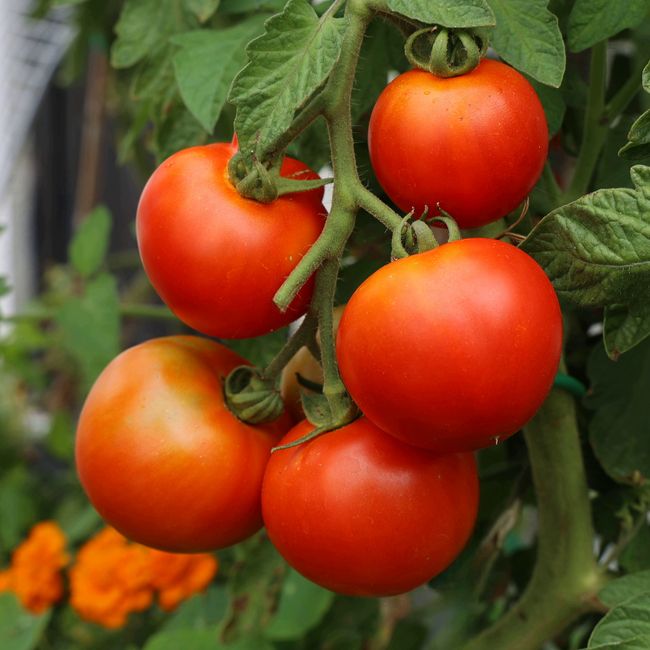
You walk out to the garden on a warm June morning, coffee in hand, ready to admire those first ripening fruits on your prized 'Cherokee Purple' — and there it is. A dark, sunken, leathery patch spreading across the bottom of what was supposed to be dinner. That sinking feeling? Every gardener who's dealt with blossom end rot knows it well.
Blossom end rot is one of the most common and most misunderstood problems in the summer garden. It's not a disease, not a pest, and — despite what your neighbor insists — it's not something you can fix by tossing eggshells at the base of your plants. The real cause is a calcium transport issue inside the plant itself, and once you understand the mechanism, preventing it becomes straightforward.
In this guide, we'll break down exactly why blossom end rot happens, which crops it affects, six proven fixes you can implement today, and the myths that keep gardeners stuck in a cycle of frustration.

What Is Blossom End Rot, Exactly?
Blossom end rot (BER) shows up as a water-soaked spot on the blossom end — the bottom — of the fruit. That spot quickly darkens to a tan, brown, or black leathery patch that can cover up to half the fruit's surface. The tissue collapses inward, creating a flat or concave depression. Secondary mold often moves in afterward, making things look even worse than they are.
Here's what matters: blossom end rot is a physiological disorder, not an infection. No pathogen causes it. You can't "catch" it from another plant, and no fungicide or pesticide will treat it. The affected fruit is technically still safe to eat if you cut away the damaged portion — it just looks terrible and the texture is off.
BER almost always appears on the first fruits of the season. That's not a coincidence — the plant is growing rapidly, setting fruit for the first time, and demand for calcium in developing tissue is at its peak. Later fruits on the same plant often develop normally once conditions stabilize.
The Real Cause: Calcium Transport, Not Calcium Deficiency
This is where most gardening advice gets it wrong. When people hear "calcium deficiency," they immediately think the soil lacks calcium. In the vast majority of cases, there is plenty of calcium in the soil. The problem is that the plant can't move it to where it's needed fast enough.
Calcium travels through the plant exclusively via the xylem — the water-conducting tissue — and it moves in one direction: from roots to leaves. Calcium is immobile once deposited. The plant cannot redistribute calcium from older leaves to developing fruit. It has to pull fresh calcium from the soil solution constantly.
Here's where it breaks down:
- Inconsistent watering — When the soil dries out, water uptake slows. When water uptake slows, calcium delivery to fast-growing fruit tissue drops. Even a single day of drought stress during the critical cell-division phase of fruit development can trigger BER.
- Rapid growth spurts — High nitrogen fertilization pushes aggressive leafy growth. Leaves are stronger "calcium sinks" than fruit, so they win the competition. The fruit gets shortchanged.
- Root damage — Cultivation too close to the plant, root rot from waterlogging, or nematode damage all reduce the root system's ability to pull water and calcium from the soil.
- Extreme heat — High temperatures increase transpiration from leaves, which pulls more calcium toward foliage and away from fruit. This is why BER spikes during heat waves.
- Soil pH imbalance — Calcium availability drops sharply when soil pH falls below 6.0 or rises above 6.8. Even calcium-rich soil becomes effectively calcium-poor at the wrong pH.
University extension research from Cornell, Clemson, and UC Davis all confirm the same thing: blossom end rot is overwhelmingly a water management problem, not a soil amendment problem. The calcium is there. The delivery system is what fails.
Which Crops Does Blossom End Rot Affect?

While most people associate blossom end rot with tomatoes (Solanum lycopersicum), it affects a wider range of crops than you might expect:
Tomatoes
The poster child for BER. Paste and plum types like 'San Marzano' and 'Roma' are especially susceptible because of their elongated fruit shape — the blossom end is farther from the stem's vascular supply. Large-fruited varieties like 'Brandywine' and 'Cherokee Purple' are also frequent victims. Cherry types are largely resistant due to their small fruit size and faster development cycle.
Peppers
Bell peppers (Capsicum annuum) are the second most commonly affected crop. The lesion appears on the bottom of the fruit, just like on tomatoes, and is sometimes mistaken for sunscald. If the dark patch is on the bottom rather than the sun-facing side, it's BER. Hot peppers can also be affected, though less frequently. If you're growing peppers this season, consistent moisture is your best insurance.
Squash and Zucchini
Summer squash (Cucurbita pepo) and winter squash varieties can develop BER, though it's less common than in tomatoes. The lesion appears on the blossom end and can be mistaken for insect damage or fungal rot. If you're growing squash, keep an eye on the first fruits of the season, especially during hot, dry spells.
Eggplant
Eggplant (Solanum melongena) is closely related to tomatoes and equally susceptible. The dark patch often blends in with the fruit's natural color on darker varieties, so inspect carefully by feeling for the sunken, leathery texture.
Watermelon
Less commonly discussed, but watermelon (Citrullus lanatus) can develop BER too. The lesion appears as a light tan, dry patch on the underside of the fruit. Because watermelons sit on the ground, it's sometimes confused with ground rot or sun damage.
6 Proven Fixes for Blossom End Rot
Since blossom end rot is a water-and-calcium-transport issue, the fixes center on stabilizing moisture and reducing competition for calcium within the plant. Here are six strategies that actually work, ranked by impact.
1. Water Consistently — This Is the Single Most Important Fix

This isn't "water more." It's "water consistently." The goal is to maintain even soil moisture — not soggy, not bone-dry, but a steady supply that keeps the xylem flowing and calcium moving to developing fruit.
For most gardens, this means:
- Deep watering 2–3 times per week rather than shallow daily sprinkles
- 1–1.5 inches (2.5–4 cm) of water per week, adjusted for heat
- Watering at the base, not overhead — wet foliage doesn't help roots
- Watering in the morning so moisture is available during the day's peak transpiration
- Using drip irrigation or soaker hoses for the most even distribution
If you've been relying on a hose and guesswork, a structured watering approach can make the difference between losing your first fruits and harvesting clean ones all season.
2. Mulch Heavily
Mulch is the underrated hero of BER prevention. A 3–4 inch (8–10 cm) layer of organic mulch — straw, shredded leaves, wood chips, or grass clippings — does three things at once:
- Conserves moisture by reducing evaporation from the soil surface
- Moderates soil temperature, preventing the extreme fluctuations that stress roots
- Reduces the need for frequent watering, making your schedule more forgiving
Pull mulch back about 2 inches (5 cm) from the stem to prevent moisture sitting directly against the trunk. For a deeper dive on mulching techniques and timing, check out the complete mulching guide.
3. Stop Over-Fertilizing with Nitrogen
This is the mistake that catches experienced gardeners off guard. You'd think more fertilizer means healthier plants, but excess nitrogen — especially from synthetic, fast-release sources — drives explosive leaf growth that siphons calcium away from developing fruit.
Specifically:
- Avoid high-nitrogen fertilizers (like 30-10-10 formulas) once plants begin flowering
- Switch to a balanced or low-nitrogen, high-phosphorus formula at fruit set
- Avoid fertilizers containing ammonium sulfate or urea near fruiting crops — ammonium nitrogen competes directly with calcium for root uptake
- Side-dress with compost instead of synthetic fertilizer when possible — it releases nutrients slowly and improves soil structure
A soil test is worth every penny here. If your nitrogen is already adequate, adding more is actively hurting your harvest.
4. Test and Adjust Soil pH

Calcium is most available to plants when soil pH is between 6.2 and 6.8. Outside that range, calcium can be present in the soil but chemically locked up in forms the roots can't absorb.
- If pH is below 6.0: Apply garden lime (calcium carbonate) according to soil test recommendations. This simultaneously raises pH and adds calcium.
- If pH is above 7.0: Apply eleite sulfur or acidifying organic matter like pine needle mulch to bring it down.
- Test annually — pH drifts over time with watering, fertilization, and organic matter breakdown.
An inexpensive pH meter or a mail-in soil test from your local extension office gives you the information you need. Don't guess — testing takes the mystery out of the equation.
5. Try Calcium Foliar Spray as Emergency Treatment
If BER is actively developing on current fruit and you need a faster response than soil amendments can provide, a calcium chloride foliar spray can help. It won't fix already-damaged fruit, but it can reduce incidence on newly forming fruit.
- Mix calcium chloride at 2–4 tablespoons per gallon (15–30 ml per 4 liters) of water
- Spray directly on the foliage and developing fruit in the early morning or late evening
- Apply every 7–10 days during active fruit set
- Alternatively, use a commercial calcium spray labeled for BER — these are formulated for leaf absorption
This is a bandage, not a cure. It buys you time while you address the underlying water management issue. Think of it as the emergency room visit — you still need to fix the lifestyle that put you there.
6. Avoid Root Disturbance
Every time you dig, hoe, or cultivate near your plants during the growing season, you risk severing feeder roots — the fine roots responsible for water and nutrient uptake. Damaged roots mean reduced calcium delivery, period.
- Stop cultivating within 12 inches (30 cm) of plant stems once plants are established
- Use mulch to suppress weeds instead of hoeing
- Pull weeds by hand near plants rather than using tools
- Avoid transplanting or moving fruiting plants once they're established
Myths That Keep Gardeners Stuck
Blossom end rot has more bad advice floating around the internet than almost any other garden problem. Let's clear up the big ones.
Myth: Crushed Eggshells Fix Blossom End Rot
This is the gardening equivalent of "drink more water" as medical advice — not wrong in theory, but practically useless for the problem at hand. Yes, eggshells contain calcium carbonate. But eggshells break down extremely slowly in soil. We're talking months to years before that calcium becomes plant-available. If your fruits have BER right now, eggshells in the planting hole will do approximately nothing this season.
Even when they do break down, the calcium contribution is modest compared to proper lime application. Save your eggshells for the compost bin where they'll contribute to long-term soil health over time — but don't count on them as a BER fix.
Myth: Your Soil Doesn't Have Enough Calcium
In the vast majority of gardens — especially those with clay or loam soils — calcium is abundant. Most US soils contain far more calcium than plants need. The bottleneck is almost always transport within the plant, not supply in the soil.
A soil test can confirm this. If your calcium levels come back normal (which they usually do), dumping more calcium products into the soil is wasted money and effort. Fix the water. Fix the mulch. The calcium will take care of itself.
Myth: Epsom Salt Helps Blossom End Rot
Epsom salt is magnesium sulfate. Not calcium. It actually competes with calcium for uptake. Adding Epsom salt to a plant already struggling with calcium transport can make blossom end rot worse. This myth persists because Epsom salt is recommended for so many garden problems that people assume it's a cure-all. It isn't. Stop adding it unless a soil test shows a genuine magnesium deficiency.
Myth: You Need to Remove Affected Fruit Immediately
Removing BER-affected fruit won't prevent future fruit from developing the condition. It also won't "save the plant's energy" in any meaningful way — the plant has already invested the resources. The only reason to remove affected fruit is aesthetic or to prevent secondary mold from spreading. It's your call. The plant doesn't care either way.
Myth: Blossom End Rot Is Caused by a Fungus
The black, mushy appearance looks like fungal rot, and secondary fungi often do colonize the damaged tissue. But the underlying cause is physiological, not pathological. If you see dark patches only on the bottom of the fruit (where the flower was), it's BER. If the dark patches are random — sides, tops, near the stem — look into actual fungal diseases instead. That's where a tool like Tendra's AI disease diagnosis can help you tell the difference quickly: snap a photo, get an identification, and know whether you're dealing with a physiological issue or something that needs treatment.
Nick's First Bout with Blossom End Rot
Nick from New York spent his first year growing 'San Marzano' paste varieties in containers on his Brooklyn rooftop. By mid-July, every single fruit on his six plants had the telltale dark bottom. He'd been watering every morning — but in small amounts, barely wetting the top inch of soil. With containers on a rooftop in full sun, the soil was drying out completely by afternoon.
Year two, Nick made three changes: he switched to deeper 15-gallon (57-liter) fabric pots, added 3 inches (8 cm) of straw mulch on top of the soil, and set up a simple drip system on a timer for deep watering every other day. He also stopped the weekly fish emulsion fertilizer that had been pushing nothing but leaves.
The result? Zero BER on any of his 40+ fruits that season. "I was convinced it was a disease," Nick says. "Turns out I just needed to water properly and stop overfeeding. The plants knew what to do once I stopped getting in their way."
Prevention: A Season-Long Approach
The best time to prevent blossom end rot is before fruit even sets. Here's a season-long checklist:
Before Planting
- Test soil pH and amend if needed — target 6.2–6.8
- Work in aged compost to improve water retention and soil structure
- If your soil test does show low calcium, incorporate gypsum (calcium sulfate) or lime at recommended rates
- Choose less susceptible varieties when possible — cherry types and smaller-fruited varieties are more resistant
At Planting
- Set up drip irrigation or soaker hoses before plants go in
- Apply 3–4 inches (8–10 cm) of mulch immediately after planting
- Space plants properly — crowded plants compete more aggressively for water and nutrients
During the Growing Season
- Maintain even moisture — the single most important factor
- Reduce nitrogen fertilization once flowering begins
- Avoid cultivating near established roots
- Monitor the first fruits closely — if you see BER, adjust watering immediately before later fruit sets
- Use Tendra's AI plant diagnosis to quickly confirm whether dark patches on your fruit are BER or something else entirely — getting the right diagnosis early saves you time and effort on the wrong treatment
After the Season
- Amend soil with compost and lime if needed for next year
- Note which varieties were most susceptible — consider switching to more resistant cultivars
- Review your watering system and plan upgrades for next season
When to Actually Worry (and When Not To)
Here's the reassuring truth: blossom end rot is almost always a temporary, early-season problem. The first cluster of fruit is the most vulnerable because the plant is still establishing its root system and water uptake patterns. By the time the second and third clusters set, conditions have usually stabilized and new fruit develops normally.
If BER persists throughout the season despite consistent watering and good mulch, that's when a soil test becomes essential. Persistent BER can indicate genuinely low soil calcium, severe pH problems, or root disease that's limiting uptake — but these situations are the exception, not the rule.
Don't panic over a few affected fruit in June. Adjust your watering, add mulch if you haven't, lay off the nitrogen, and watch. The plant will almost certainly correct course on its own once conditions are right. That's what plants do. They're remarkably good at it when we stop overthinking and let the fundamentals do their job.
Discover smarter plant care with Tendra — where local gardeners connect and thrive.