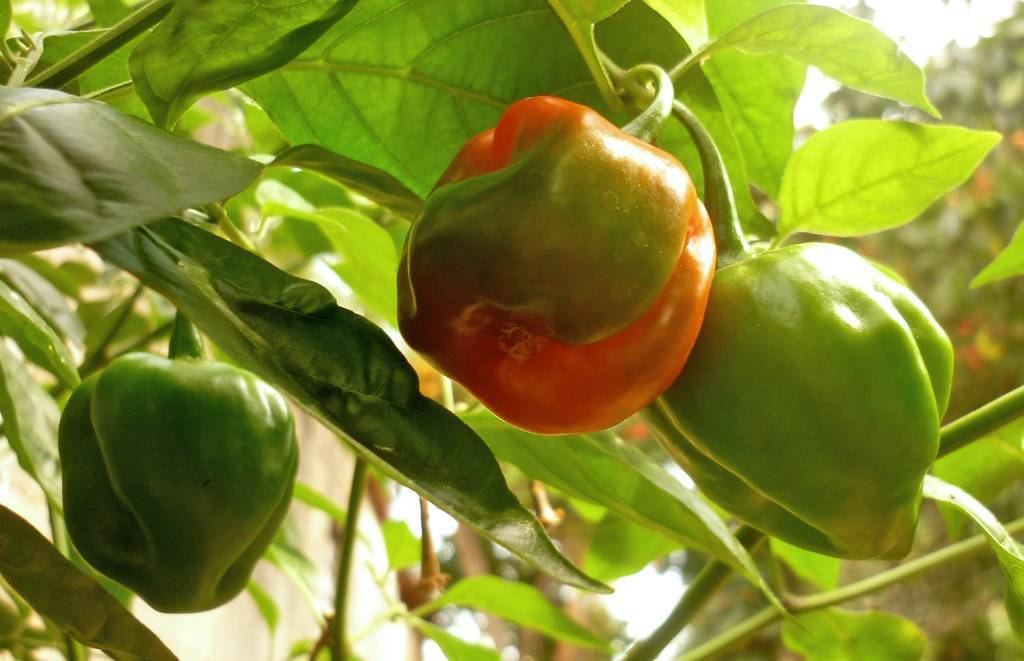
If you've ever sprinted to start pepper seeds the moment garden catalogs arrive, only to end up with stunted plants and a late harvest, you're not alone. Knowing when to plant peppers is a balancing act between indoor seed-starting, warm soil, and a realistic look at your frost dates. University of Minnesota Master Gardeners stress that Zone 4 growers should resist the urge to sow before March 20, while Creative Vegetable Gardener shares troubleshooting tips but stops short of a zone-by-zone calendar. This guide pulls it all together: seed-start timing, outdoor transplant cues, variety selection, and troubleshooting so you enjoy steady harvests from early summer through first frost.
Peppers (Capsicum annuum) demand more patience than tomatoes, but they reward detailed scheduling. Below you'll find the research-backed cues I use with Tendra's growing stage tracking: indoor sowing benchmarks, soil temperature targets, and a case study you can mimic no matter your USDA zone.

Dial in your indoor seed-start station first so every pepper seed gets even heat and light.
Why pepper timing is trickier than tomatoes
Reddit's r/gardening community repeats the same mantra every March: “Peppers are slower than tomatoes—start them at least a month earlier.” That crowd wisdom is backed by seed physiology. Pepper seeds often take 10–21 days to germinate and prefer a steady 80°F/27°C on the heat mat, while tomato seeds pop in 5–10 days at 75°F/24°C. Once they sprout, peppers stay in each stage longer. Expect four weeks at the cotyledon stage before true leaves really stack on, so the usual “six weeks indoors” advice only works for ultra-early hybrid bells.
Temperature thresholds add another wrinkle. Tomatoes can settle into beds once soil hits 55°F/13°C, but peppers sulk until the top 4 inches (10 cm) stay above 65°F/18°C at sunrise. A University of Minnesota Master Gardener bulletin warns that Zone 4 soil rarely reaches that mark before early June, which is why they caution locals not to start transplants before March 20. Planting earlier simply produces root-bound seedlings that stall when you finally harden them off.
Creative Vegetable Gardener's March 12 article on starting peppers indoors covers heat mats and light height, but even they admit most gardeners “wing it” on transplant timing. That's the missing puzzle piece—syncing indoor work with your outdoor microclimate. This guide bridges the entire arc: indoor sowing, potting up, hardening off, companion planting, and the most common pepper problems you can prevent with a thermometer and a tracking app.
Indoor seed-starting fundamentals
Think of indoor pepper production as a three-act play: sowing, potting up, and pre-transplant conditioning. Get those three acts on your calendar and the rest falls into place.
Sweet vs. hot peppers have different clocks
- Sweet bells, bananas, and Italian fryers: 6–8 weeks before your last frost usually delivers stocky 6–8 inch (15–20 cm) plants. They germinate faster and don't appreciate cramped cells beyond 50 days.
- Super-hots (Carolina Reaper, Ghost, Trinidad Scorpion): Schedule 8–10 weeks before transplant. These Capsicum chinense types need more time under lights and will not mind a brief pot-up into 4 inch (10 cm) containers.
- Medium-heat workhorses (Jalapeño M, Serrano Tampiqueño, cayennes): 7–9 weeks is the sweet spot. They germinate slower than bells but don't prefer the ultra-long vegetative stage of super-hots.
Match indoor climate to pepper preferences
- Bottom heat: Keep heat mats set between 80–85°F (27–29°C) until germination finishes, then dial down to 75°F (24°C). Peppers stop germinating below 70°F/21°C.
- Humidity: Aim for 50–60% relative humidity. Use a clear dome until sprouts appear, then remove it to prevent damping off.
- Light: Position LED bars 4–6 inches (10–15 cm) above the canopy, delivering 14 hours of light daily. Raise fixtures every few days to keep internodes tight.
- Airflow: Run a fan on low for 15 minutes twice daily. Gentle movement thickens stems so they handle the eventual move outdoors.
Log every milestone
Peppers take so long between stages that it's easy to lose track. I log the sow date, first true leaf, pot-up, and hardened-off milestones in Tendra's growing stage tracking. The app pings me when it's time to up-pot or start the hardening schedule, and it overlays local soil temperature data so I can see when beds are hovering near 65°F. That automation prevents the classic mistake of letting seedlings linger indoors “just one more week.”
Zone-by-zone pepper planting calendar
Here's the comprehensive table missing from most pepper guides. It stacks together indoor start dates, super-hot adjustments, hardening periods, and the soil temperature threshold that actually matters. Use the earlier date ranges if you're targeting hot peppers, or the later ranges if you're sowing mostly sweet bells.
USDA ZoneSweet peppers: indoor startSuper-hots: indoor startHarden & transplant window*Soil temperature notesZone 3March 15–22March 1–10June 7–20Wait until soil is 65°F at 8 a.m.; cloche beds two weeks early.Zone 4March 20–27 (UMN says “not before 3/20”)March 5–15May 30–June 12Black landscape fabric speeds warming; tunnels help nights below 55°F/13°C.Zone 5March 10–18February 25–March 5May 20–31Soil hits 65°F after a week of 75°F highs; use plastic mulch over raised beds.Zone 6February 25–March 5February 10–20May 5–18Remove row cover once nighttime lows stay above 55°F (13°C).Zone 7February 15–25February 1–10April 20–May 5Soil warms quickly; mulch after soil stabilizes to retain heat.Zone 8February 1–10January 15–25April 5–20Raised beds hit 65°F by late March; low tunnels protect from surprise 45°F/7°C nights.Zone 9January 5–15December 20–30March 10–25Soil rarely cools below 60°F/16°C; watch for sudden heat spikes >90°F/32°C.Zone 10December 15–January 1December 1–10February 15–March 5Focus on afternoon shade and drip irrigation; soil already above 70°F/21°C. *Hardening takes 7–10 days. Follow the hardening-off plan in Post #13 for pepper-specific adjustments.
If you garden in containers, shift the entire schedule two weeks earlier because above-ground mix warms faster and cools faster. Urban balcony growers can slide fabric pots on casters indoors during cold snaps, effectively adding a half zone of protection, while gardeners in windy plains may need to delay the table by a week and lean on low tunnels to keep nighttime lows above 55°F (13°C).
Variety planning: sweet, hot, and specialties
Choosing the right cultivar matters as much as timing. Mix one variety from each category so you have early yields plus the long maturing flavors for late summer.
- Beginner-friendly staples: Bell Boy (70 days, heavy yields), Early Sunsation (yellow bell that colors up fast), and Banana Supreme (mild frying pepper) all tolerate cooler soil better than most bells.
- Heat lovers: Jalapeño M (72 days and thick walls for poppers), Serrano Tampiqueño (75 days with intense citrus heat), and Habanero Orange (95 days, lantern-shaped fruit). These need the longer indoor window mentioned above.
- Exotic & snacking picks: Shishito (60 days, pick when still green), Padrón (65 days, blister for tapas), and Buena Mulata (75 days, purple-to-orange heirloom with smoky flavor).
Plot the maturity dates on your Tendra timeline so you can stagger plantings: an early shishito for June grilling, classic jalapeños for July salsa, and late-season habaneros for fermented hot sauce. Tendra's Twin Plant Mates feature is especially helpful here—you can peek at what growers nearby are starting to match varieties that already thrive in your microclimate.

Mix sweet, medium, and super-hot varieties so harvests roll in all summer.
Step-by-step indoor workflow
- Prime seeds: Soak stubborn hot pepper seeds in warm chamomile tea for four hours to soften seed coats and reduce fungal pressure.
- Sow shallow: Plant 1/4 inch (6 mm) deep in a sterile, peat-free mix with added perlite for airflow. Firm gently so seeds maintain contact with the media.
- Label and track: Use weatherproof tags plus a digital entry in Tendra so you know exactly which tray contains which variety and date.
- First pot-up: Once seedlings show two true leaves (about day 25 for bells, day 35 for super-hots), shift them into 3–4 inch (8–10 cm) pots with a calcium-fortified mix. Bury stems slightly deeper for extra stability.
- Feed lightly: Apply half-strength fish and kelp emulsion every 10 days. Overfeeding with high nitrogen leads to soft tissue that sunscalds later.
- Top and stake: Pinch center growth on tall bells at 8 inches (20 cm) to encourage branching. Insert bamboo skewers now so stems stay straight.
Every two weeks, check root zones. If you see circling roots, pot up immediately or schedule transplanting outdoors. The Tendra stage tracker lets you mark “pot-bound risk” so you don't forget which batch needs priority.
Hardening off and transplant readiness
Peppers resent cold winds even more than tomatoes. Follow the 7-day hardening plan but add two extra precautions for peppers:
- Never expose them to air temperatures below 55°F (13°C) during hardening. Move trays indoors if a cold front sneaks in.
- Add one more day of dappled shade before full sun. Pepper leaves contain thinner cuticles than tomato leaves, so they need additional time to thicken before direct light.

Use a rolling cart and floating row cover to shuttle peppers in and out as temperatures swing.
Right before transplant, give plants a deep watering with a kelp and calcium blend. This pre-charges them to handle the transplant shock that hotter peppers especially feel. If you're also growing tomatoes, remember that peppers lag about a month—so schedule your tomato transplant day separately to avoid rushing peppers into cold soil.
Outdoor soil prep, spacing, and companion planting
Once soil consistently reads 65°F/18°C at 8 a.m., it's go time. Use a probe like the ThermoWorks ChefAlarm or any stainless soil thermometer and log readings in Tendra so you can spot warming trends.

Soil at 65°F/18°C is the true green light for pepper transplants.
Follow these outdoor benchmarks:
- Bed prep: Till in 1 inch (2.5 cm) of finished compost and 1/2 cup (120 ml) of slow-release organic fertilizer per 10 square feet (0.9 sq m). Aim for soil pH between 6.2 and 6.8.
- Spacing: Plant bells 18 inches (46 cm) apart, jalapeños 14 inches (36 cm), and super-hots 24 inches (61 cm) for airflow.
- Companions: Basil, onions, and carrots deter aphids while keeping the canopy low. Consult the companion planting chart in Post #14 for pairings that boost pepper yields.
- Tomato comparisons: If you're already following our tomato growing guide (Post #12), delay peppers until at least 10 days after your tomato transplant date unless your soil thermometer proves you have equal warmth.
- Season extension: In Zones 3–5, use low tunnels or Agribon-30 row cover overnight for the first two weeks to prevent chill shock.
Case study: Sarah from Portland (Zone 8b)
Sarah from Portland wanted peppers before the July 4 grilling rush, but her 2025 crop stalled because she copied her tomato schedule. In 2026 she logged her plan in Tendra: she sowed Banana Supreme on February 3 and Habanero Orange on January 18, tagged each batch in growing stage tracking, and let the app remind her when soil temps finally crossed 65°F on April 8. She hardened off over nine days using the pepper-specific tweaks above, transplanted on April 12, and used Twin Plant Mates to swap notes with other Portland growers about unexpected 45°F (7°C) nights. The result? She picked shishitos on June 15 and blended habanero hot sauce by August 1.
Common pepper problems (and how to prevent them)
- Blossom drop: Flowers abort when daytime highs exceed 90°F/32°C or nights dip below 60°F/15°C. Provide afternoon shade cloth and never let containers dry out. Log temperature swings in Tendra so you can correlate stress with future blooms.
- Sunscald: Sudden exposure bleaches fruit on the south-facing side. Maintain leafy canopies by spacing correctly and avoiding aggressive pruning. Temporary shade cloth during heat waves prevents the white patches that invite rot.
- Aphids: Rinse colonies off with a hose, then release lady beetles or use a neem + castile soap spray (1 tbsp per quart / 15 ml per liter). Encourage natural predators with calendula and alyssum, or note outbreaks in Tendra so nearby growers can mobilize early.
- Pepper hornworm: These green caterpillars (closely related to tomato hornworms) strip foliage overnight. Handpick at dusk using a UV flashlight or spray Bt once you see the first frass pellets.
Other issues to monitor: calcium deficiency causing blossom end rot, and fungal leaf spots after heavy rain. The minute you notice symptoms, snap a photo and run Tendra's AI diagnosis so you can compare with community-confirmed cases.
FAQ: when to plant peppers indoors and outdoors
Can I start peppers indoors at the same time as tomatoes?
No. Start peppers 3–4 weeks earlier because they germinate and mature slower. Even then, keep them under lights until soil reaches 65°F/18°C.
What if I miss the indoor window?
You can still direct-sow in Zones 9–10 once soil is above 70°F/21°C, but in cooler zones buy healthy starts or do a quick sowing in soil blocks indoors. Use the later date range from the calendar above.
How do I warm the soil faster?
Use black woven weed fabric, low tunnels, or even dark-colored paving stones between rows to absorb heat. Remove covers once soil hits 70°F/21°C to prevent overheating roots.
Is it worth succession planting peppers?
Yes in long-season Zones 8–10. Start a second wave four weeks after the first and transplant in early May for late-summer harvests. Tendra makes it simple to duplicate the first timeline, adjust by 28 days, and reuse reminders.
Wrap-up: build a pepper timeline you can trust
Peppers reward the growers who respect their slow metabolism. Start by matching the indoor clock to your USDA zone, keep seedlings warm and evenly lit, and refuse to transplant until soil is truly at pepper-friendly temperatures. Layer on thoughtful variety choices, proper hardening, and a contingency plan for pests like aphids or pepper hornworms, and you will harvest glossy fruit weeks earlier than last year.
Track every stage—including sowing, potting up, hardening, and first harvest—in Tendra's growing stage tracking so you know exactly when to plant peppers next season. Discover climate-smart reminders and local grower insights with Tendra — where local gardeners connect and thrive.