You've spent weeks nurturing your seedlings indoors — fussing over grow lights, misting trays, and watching tiny cotyledons unfurl. Now it's finally warm enough to plant outside. So you carry your beautiful babies out to the garden, tuck them into the soil, and… they wilt, scorch, and die within 48 hours. Sound familiar? The missing step is hardening off seedlings — the critical transition that prepares indoor-grown plants for the harsh realities of outdoor life. If you've ever wondered how to harden off seedlings without losing half your starts, you're in the right place.
Hardening off is the process of gradually exposing indoor-grown seedlings to outdoor conditions — direct sunlight, wind, temperature swings, and lower humidity — over the course of 7 to 14 days. Skip it, and you're essentially throwing a greenhouse baby into the wilderness. In this guide, we'll give you a specific day-by-day hardening off schedule, the lazy shortcut method that actually works, what to do when weather throws you a curveball, and which plants need the most (or least) coddling.
Why Hardening Off Seedlings Matters More Than You Think
Indoor seedlings live a pampered life. Consistent 70°F (21°C) temperatures, no wind, filtered or artificial light, and stable humidity. Outdoor conditions are a different universe: UV radiation is 5–10x stronger than grow lights, wind creates mechanical stress on stems, temperatures swing 30°F+ (17°C+) between day and night, and humidity can drop dramatically.
When you skip hardening off, seedlings experience multiple simultaneous stresses. Their leaf cuticle — the waxy protective layer — is thin and undeveloped because they've never needed UV protection. Their stems are weak because they've never been challenged by wind. Their stomata (the tiny pores that regulate water loss) don't close efficiently because they've never dealt with dry, moving air.
The result? Sunscald, wilting, transplant shock, stunted growth, or outright death. A University of Minnesota Extension study found that properly hardened-off transplants established 40% faster and produced earlier yields compared to those planted directly from indoor conditions. That week of gradual exposure isn't wasted time — it's an investment in a stronger, more productive garden.
The 7-Day Hardening Off Schedule: Your Day-by-Day Plan
Most guides tell you to "gradually increase outdoor time." That's like telling someone to "gradually learn piano." Here's the actual hardening off schedule with specific times, conditions, and what to watch for each day.
Day 1: The Introduction (2 Hours, Full Shade)
Place seedlings outdoors in a fully shaded, wind-protected spot — under a covered porch, against the north side of your house, or beneath a large tree. Leave them out for just 2 hours, ideally mid-morning when temperatures are mild (60–70°F / 15–21°C). Bring them back inside. The goal today is simply letting them feel outdoor air temperature and humidity without any sun or wind stress.
Day 2: A Little More Air (3 Hours, Dappled Light)
Move seedlings to a spot with dappled or filtered sunlight — under a tree canopy or shade cloth. Extend outdoor time to 3 hours. They'll start sensing the UV difference even through filtered light. If it's breezy, that's actually fine today — gentle air movement starts strengthening stems.
Day 3: Meeting the Sun (4 Hours, 1 Hour Morning Sun)
Give seedlings 1 hour of direct morning sun (before 10 AM), then move them back to shade for another 3 hours. Morning sun is gentler than afternoon sun — about 30% less intense. Total outdoor time: 4 hours. Watch for any leaf curling, which signals they need more shade time.
Day 4: Building Tolerance (5 Hours, 2 Hours Direct Sun)
Increase direct sun to 2 hours (morning), with 3 hours of shade after. Total: 5 hours outside. By now, you should notice stems starting to feel slightly sturdier. If any seedlings look stressed (wilting that doesn't recover within an hour of shade), dial them back to Day 3 conditions.
Day 5: Half-Day Warrior (6 Hours, 3 Hours Direct Sun)
Seedlings spend 3 hours in direct sun followed by 3 hours in partial shade. Total: 6 hours outside. Leave them in a spot that gets natural shade in the afternoon. This is the tipping point — most seedlings visibly toughen up by Day 5. Stems may show a slight purple tinge at the base, which is anthocyanin production in response to UV exposure. That's a good sign.
Day 6: Almost There (8 Hours, Including Afternoon Sun)
Now they're ready for some afternoon sun. Place seedlings in a full-sun location for the morning and early afternoon — about 5 hours of direct light total, with 3 hours of shade. Total outdoor time: 8 hours. If nighttime temps are above 50°F (10°C), you can leave them out until evening.
Day 7: The Full Day Test (10+ Hours, Overnight If Warm)
Leave seedlings outside for the entire day in full sun. If nighttime temperatures stay above 50°F (10°C) for warm-season crops or above 40°F (4°C) for cool-season crops, leave them out overnight. If they look healthy the next morning — no wilting, no leaf damage — they're ready to transplant. If nights are still cold, bring them in one more night and transplant the next day.
The Lazy Method: Hardening Off for Busy Gardeners
Let's be honest — not everyone can shuttle trays in and out for seven days straight. If you've seen the viral Reddit posts about the "lazy way to harden off," there's real wisdom behind the shortcuts. Here are three legitimate low-effort methods that work.
The Cold Frame Method
A cold frame is essentially an outdoor incubator. Place seedlings inside and crack the lid wider each day over 5–7 days. Day 1: lid open 2 inches (5 cm). Day 3: open 6 inches (15 cm). Day 5: fully open during the day, closed at night. Day 7: remove the lid entirely. The cold frame buffers wind, traps warmth at night, and diffuses harsh sunlight through the glass or polycarbonate. It's the closest thing to autopilot hardening off.
The Covered Porch Method
If you have a covered porch, screened patio, or carport that gets indirect light, simply move your seedlings there for 4–5 days. The roof blocks intense midday sun and breaks wind. After 4–5 days on the porch, move them to an open spot for 2–3 days, and they're ready. This is arguably the easiest method — one move instead of daily shuttling.
The Screen Door Method
Open a screen door or window where your seedlings sit on the indoor side. They get outdoor air circulation, temperature fluctuations, and filtered light without moving at all. After 3–4 days of this, move them outside to shade for 2 days, then sun for 2 days. It's a gentler on-ramp that works surprisingly well for apartment gardeners or anyone with limited outdoor space.
When to Harden Off Seedlings: Timing It Right
Knowing when to harden off seedlings is just as important as knowing how. Start the hardening process 7–14 days before your planned transplant date. Your transplant date depends on your last frost date and what you're planting.
For cool-season crops (lettuce, kale, broccoli, peas, spinach): Begin hardening off 4–6 weeks before your last frost date. These plants can handle light frosts down to 28°F (-2°C) once hardened, so they go out earlier.
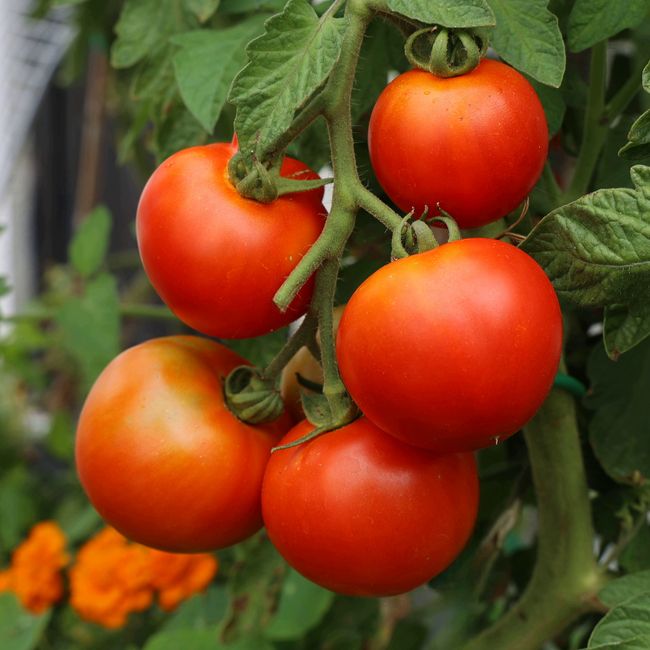
For warm-season crops (tomatoes, peppers, squash, basil, cucumbers): Begin hardening off 1–2 weeks before your last frost date. They need nighttime temps consistently above 50°F (10°C). Don't rush these — one late frost can wipe out an entire flat of tomato seedlings you started from seed.
Tendra's smart care reminders can ping you at exactly the right time based on your zone and the specific crops you're growing — no more guessing whether it's too early or too late to start moving things outside.
Which Plants Need Hardening Off (and Which Don't)
Full 7-Day Treatment Required
- Tomatoes (Solanum lycopersicum) — Very sensitive to cold and sunscald
- Peppers (Capsicum annuum) — Even more cold-sensitive than tomatoes
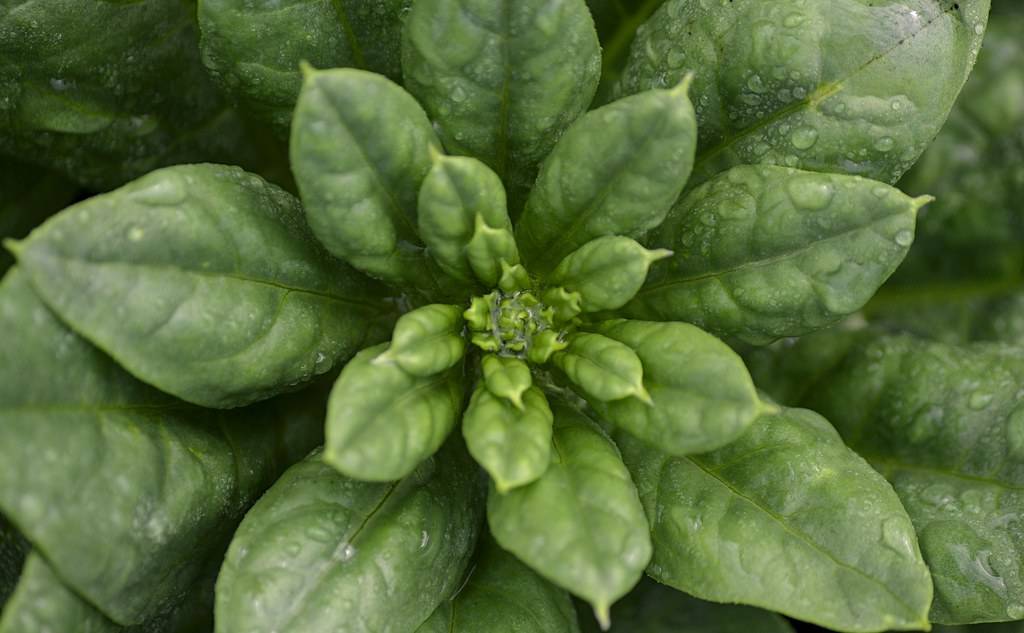
- Basil (Ocimum basilicum) — Blackens instantly in cold
- Cucumbers (Cucumis sativus) — Hate cold soil and wind
- Squash and melons — Large leaves scorch easily
- Eggplant (Solanum melongena) — Extremely cold-averse
Shortened 3–5 Day Treatment
- Kale (Brassica oleracea var. sabellica) — Cold-tolerant to 20°F (-7°C) once established
- Broccoli and cabbage (Brassica oleracea) — Frost-hardy brassicas
- Lettuce (Lactuca sativa) — Can handle light frost
- Spinach (Spinacia oleracea) — One of the hardiest greens
- Peas (Pisum sativum) — Actually prefer cooler temps
- Onions and leeks — Tough and cold-tolerant
Skip It Entirely
- Nursery-purchased transplants that were displayed outdoors — they're already hardened off
- Direct-sown seeds — they harden themselves as they germinate outside
- Plants from a greenhouse that was vented daily — partially hardened already (give them 2–3 days anyway)
The Wind Factor: The Most Underrated Stress in Hardening Off
Everyone focuses on sunlight during hardening off, but wind is the silent killer that catches gardeners off guard. Wind causes two problems simultaneously: mechanical stress that can snap delicate stems, and rapid transpiration that dehydrates leaves faster than roots can replace moisture.
But here's the twist — controlled wind exposure is actually essential. Wind triggers a response called thigmomorphogenesis (try saying that three times fast). When stems flex in the breeze, they produce more lignin and cellulose, becoming thicker and stronger. Plants that never experience wind grow tall, thin, and fragile — the classic "leggy seedling" problem covered in our guide to common seedling mistakes.
The trick is gradual exposure. Days 1–2 of your hardening schedule should be wind-protected (against a wall, under a porch). Days 3–5, allow gentle breezes. Days 6–7, full wind exposure. If you're dealing with sustained winds above 15 mph (24 km/h), use a temporary windbreak — even a lawn chair positioned upwind works. Never introduce seedlings to strong wind and strong sun on the same day. Layer your stresses.
Indoor tip: Even before you start outdoor hardening, running an oscillating fan on low near your seedlings for a few hours daily mimics wind stress and pre-strengthens stems. This is one of the best-kept secrets of experienced growers.
Weather Contingency: What to Do When Mother Nature Doesn't Cooperate
You're on Day 4 of hardening off and the forecast shows a cold snap, thunderstorms, or a heatwave. What now?
Cold Snap (Below 40°F / 4°C for Warm Crops)
Bring everything inside immediately. You do NOT reset the clock entirely — a common myth. If you've completed 4 days, you've built real tolerance. When temperatures recover, resume at Day 3 (one step back, not Day 1). If the cold snap lasts more than 3 days with seedlings back inside, restart at Day 2 — they lose some conditioning after 72+ hours in stable indoor conditions.
Heavy Rain or Storms
Young seedlings can't handle torrential rain — it physically damages leaves, compacts soil in pots, and can spread disease. Move them under cover (porch, garage with door open) but keep them outside if possible. Light rain is actually fine and even beneficial after Day 3.
Unexpected Heatwave (90°F+ / 32°C+)
Extreme heat is as dangerous as cold for unhardened seedlings. Move them to full shade with good airflow. Water more frequently — small pots dry out shockingly fast in heat. Don't count a heatwave day as full sun exposure; the stress is too different from normal conditions. Resume your schedule when temps normalize.
Overcast Week
Cloudy weather is actually a blessing for hardening off. You can accelerate the schedule slightly — overcast skies naturally filter UV while still providing outdoor temperature and wind exposure. Move up by about half a day (e.g., do Days 1–2 in one overcast day).
Signs It's Working vs. Signs It's Failing
Signs Your Hardening Off Is Working ✅
- Sturdier, thicker stems — You can literally feel the difference when you gently squeeze the stem
- Deeper green leaves — Increased chlorophyll production in response to real sunlight
- Slight purple tinge on stems — Anthocyanin pigment indicates UV tolerance developing (especially common in tomatoes)
- Compact, stocky growth — Internodes (spaces between leaves) stay short instead of stretching
- Leaves feel thicker and waxier — The cuticle layer is building up
- Quick wilt recovery — Slight wilting in afternoon sun that bounces back within 30 minutes in shade is normal and healthy
Signs It's Failing — Pull Back ⚠️
- Wilting that doesn't recover — If a seedling wilts and stays wilted after an hour in shade with water, it's seriously stressed. Move back 2 days in your schedule.
- Sunscald (white or bleached patches on leaves) — You moved to direct sun too fast. Return to shade for 2 days, then re-introduce sun more gradually.
- Leaf drop — Losing lower leaves is a stress response. Reduce all exposure by 50% and slow down.
- Crispy leaf edges — Wind burn or combined sun/wind stress. Add wind protection.
- No new growth for 5+ days — The plant is in survival mode, not growing mode. It needs more time at each stage.
Here's the reassuring truth: most seedlings are tougher than you think. Even if you see some temporary wilting or a few scorched leaf tips, the plant will usually recover. The only truly dangerous mistakes are going from zero to full sun in one day, or leaving tender seedlings out during a frost.
When Can You Skip Hardening Off Entirely?
There's a popular "rule-breaking" perspective in the gardening community — and sometimes the rules can be bent. Here's when hardening off is genuinely optional:
- Nursery transplants displayed outdoors: If you bought starts from a garden center and they were sitting outside on tables, they're already hardened. Plant them directly.
- Seedlings grown in a cold greenhouse or hoop house: If your growing space wasn't climate-controlled (no heater, natural ventilation), your plants have been self-hardening all along. Give them 2 days of direct sun exposure and they're good.
- Cold-hardy crops in mild weather: Transplanting kale or spinach starts when outdoor temps are between 50–70°F (10–21°C)? A 2–3 day abbreviated schedule is plenty. Some veteran gardeners skip it entirely for brassicas in spring.
- Late-season transplants: If you're planting warm-season crops when daytime temps are already 80°F+ (27°C+) and nights are warm, the temperature shock is minimal. You still need to manage sun exposure, but a 3–4 day schedule works.
The one situation where you should never skip hardening: seedlings grown under artificial lights being transplanted during a period with cold nights. That combination of weak stems, thin cuticle, and temperature shock is the #1 transplant killer.
Sarah's 7-Day Hardening Success in Portland
Sarah from Portland started 48 tomato seedlings under grow lights in her basement in late February. By mid-April, Portland's weather was its usual unpredictable self — sunny mornings, rainy afternoons, occasional 40°F nights.
She used the covered porch method for Days 1–3 (her east-facing porch gets morning light only), then moved trays to her south-facing yard for Days 4–7. On Day 5, a cold snap dropped overnight temps to 38°F (3°C) — she brought them inside for one night, then put them back out the next morning at the Day 4 level. By Day 8, her tomatoes had visibly thicker stems with that characteristic purple tinge, and she transplanted them into her raised beds.
"I used to lose about a third of my transplants every year," Sarah says. "Once I started following an actual day-by-day schedule instead of just winging it, my survival rate went from maybe 65% to nearly 100%. The covered porch was a game-changer — I didn't have to babysit them every hour."
She uses Tendra's community feature to coordinate transplant timing with other Portland gardeners — when multiple people in her zone report successful hardening, she knows the window is open.
Putting It All Together: Your Hardening Off Checklist
- ☐ Check your last frost date and count back 7–14 days for your hardening start date
- ☐ Identify your hardening spot (covered porch, cold frame, or shaded area against a wall)
- ☐ Sort seedlings by cold tolerance — cold-hardy crops start first, warm-season crops wait
- ☐ Follow the 7-day schedule (or 3–5 days for cold-hardy varieties)
- ☐ Watch the weather forecast daily — have a plan to bring plants in if cold snaps hit
- ☐ Monitor for signs of success (sturdy stems, deep color) and failure (sunscald, persistent wilt)
- ☐ Water thoroughly before each outdoor session — stressed plants need hydration
- ☐ Transplant on a cloudy day or in late afternoon to reduce transplant shock
Hardening off isn't glamorous, and it requires patience during the most exciting time of the gardening year — when you just want to get everything in the ground. But that one week of gradual transition is the difference between seedlings that struggle for weeks and seedlings that take off running from Day 1.
Set up transplant timing reminders with Tendra based on your exact zone and the crops you're growing — so you never start hardening too early or too late. Discover smart care scheduling with Tendra — where local gardeners connect and thrive.