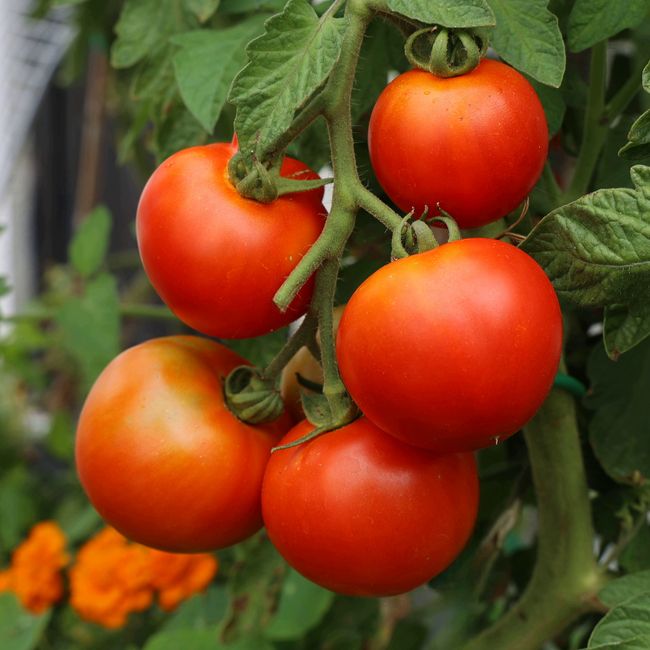
There's a reason homegrown tomatoes taste completely different from store-bought ones. Commercial tomatoes (Solanum lycopersicum) are bred for shelf life and shipping durability — not flavor. They're picked green, gassed with ethylene to turn red, and arrive at your grocery store weeks after harvest with a mealy texture and watery taste. A sun-ripened tomato from your own garden? It's bursting with complex sugars, volatile aromatics, and balanced acids that develop only when the fruit matures on the vine under natural sunlight. The difference isn't subtle — it's transformative. Once you slice into a warm Cherokee Purple straight from the garden, you'll understand why millions of gardeners dedicate their best sunny real estate to these rewarding plants every single year.
Whether you're wondering when to plant tomatoes in your specific USDA hardiness zone or need a complete walkthrough on how to grow tomatoes from seed to harvest, this guide covers everything — zone-by-zone timing charts, soil temperature targets, the best varieties for your climate, container growing secrets, common disease identification, and the ripening tricks that experienced gardeners swear by. Bookmark this page — you'll come back to it throughout the growing season.
When to Plant Tomatoes: Zone-by-Zone Timing Guide
Timing is everything with tomatoes. Plant too early and a single late frost kills your transplants overnight — weeks of careful indoor growing, gone in one cold snap. Plant too late and your fruit won't have enough warm days to ripen before fall temperatures shut down production. The key factor most gardeners overlook? Your soil temperature, not just the air temperature or the calendar date.
Soil Temperature Matters More Than Air Temperature
Most beginning gardeners watch the weather forecast and rush outside the first warm weekend. But experienced growers know to check their soil with a simple probe thermometer before transplanting anything. Here's why this matters: tomato roots physically cannot absorb nutrients efficiently in cold soil, even when air temperatures feel pleasant. A beautiful 70°F (21°C) day means nothing if the ground is still 50°F (10°C) six inches down. These are the critical soil temperature thresholds you need to memorize:
- 55°F (13°C) — Absolute minimum for transplanting. Below this, roots stall completely, plants become severely stressed, and you risk stunted growth for the entire season. Many gardeners who plant "on time" but in cold soil wonder why their plants sit there doing nothing for weeks — this is why.
- 60°F (16°C) — Safe to transplant. Roots establish well at this temperature, and plants recover from transplant shock significantly faster. This is the target most extension services recommend.
- 70°F (21°C) — Optimal for seed germination. Seeds sprout in 5–10 days at this temperature versus 14+ days in cooler soil.
- 65–85°F (18–29°C) — Ideal growing range. Fruit sets best when daytime temps are in this range and nighttime temps stay above 55°F (13°C). Above 95°F (35°C), pollen becomes nonviable and fruit set stops until temperatures moderate.
Pro tip: Black plastic mulch laid over beds two weeks before transplanting can raise soil temperature by 5–10°F (3–6°C), giving you a meaningful head start in cooler zones. Wall-o-Water plant protectors provide even more thermal buffering for individual transplants.
Planting Timeline by USDA Hardiness Zone
| USDA Zone | Last Frost Date (Avg) | Start Seeds Indoors | Transplant Outdoors | Direct Sow (if applicable) |
|---|---|---|---|---|
| Zone 3 | May 15–Jun 1 | Mar 15–Apr 1 | Jun 1–15 | Not recommended |
| Zone 4 | May 1–15 | Mar 1–15 | May 15–Jun 1 | Not recommended |
| Zone 5 | Apr 15–May 1 | Feb 15–Mar 1 | May 1–15 | Not recommended |
| Zone 6 | Apr 1–15 | Feb 1–15 | Apr 15–May 1 | Not recommended |
| Zone 7 | Mar 15–Apr 1 | Jan 15–Feb 1 | Apr 1–15 | Possible late spring |
| Zone 8 | Mar 1–15 | Jan 1–15 | Mar 15–Apr 1 | Apr–May |
| Zone 9 | Feb 1–15 | Dec 15–Jan 1 | Feb 15–Mar 15 | Mar–Apr |
| Zone 10 | Rarely frosts | Nov–Dec | Jan–Feb | Feb–Mar |
If you're not sure about your zone or what else to start growing right now, check our March planting guide for a complete zone-by-zone breakdown of what to grow this season. You can also use Tendra's climate-specific variety recommendations to find tomatoes perfectly matched to your exact growing conditions and microclimate.
How to Start Tomatoes From Seed Indoors

Starting from seed gives you access to hundreds of extraordinary varieties that garden centers never stock — from the dusky-purple Cherokee Purple to the ridiculously sweet Sun Gold cherry. It's also significantly cheaper: a $3 seed packet yields 20–50 plants versus $5–8 per single nursery transplant. More importantly, home-started seedlings can be hardened off on your own schedule, producing tougher, better-adapted plants than greenhouse-raised nursery stock.
Seed Starting Steps
- Timing: Count backward 6–8 weeks from your last frost date. That's your seed starting window. Starting too early produces leggy, overgrown seedlings that struggle after transplanting.
- Containers: Use seed starting trays, peat pots, or even recycled yogurt cups with drainage holes punched in the bottom. Cell trays (72-cell or 50-cell) are the most space-efficient option.
- Soil mix: Use a sterile seed starting mix — never garden soil, which harbors damping-off fungi that kill seedlings overnight. A proven mix is equal parts peat moss (or coco coir), vermiculite, and perlite.
- Planting depth: Sow seeds 1/4 inch (6 mm) deep — no deeper. Cover lightly with mix and mist gently with water until evenly moist.
- Temperature: Maintain 70–80°F (21–27°C) for germination. A seedling heat mat ($15–25) speeds things up dramatically — seeds can sprout in 5 days versus 10–14 without one. This is the single best investment for seed starting.
- Light: Once seedlings emerge, they need 14–16 hours of bright light daily. A south-facing window works in a pinch, but grow lights produce stockier, stronger seedlings. Keep lights 2–3 inches (5–8 cm) above the seedling tops and raise as they grow.
- Watering: Keep soil consistently moist but never waterlogged. Bottom watering (setting trays in a shallow dish of water and letting the soil wick it up) prevents damping off and encourages deeper root development.
- First true leaves: When seedlings develop their first set of true leaves (the pointed, jagged-edged leaves, not the initial smooth seed leaves), transplant them into individual 3–4 inch (8–10 cm) pots. This gives roots room to develop before the big move outdoors.
Sarah from Portland started 30 tomato seedlings last spring in her spare bedroom using a simple wire shelf from a thrift store and two clip-on LED grow lights. She spent about $40 on the entire setup and grew enough plants for her own garden, her neighbor's yard, and extras to share through her local Tendra plant exchange group. "The biggest game-changer was definitely the heat mat," she said. "My germination rate went from maybe 60% to over 90%, and the seedlings came up days faster."
Hardening Off: The Critical Step Most Beginners Skip
Seedlings grown indoors are pampered — no wind stress, no UV radiation, no temperature swings. Their stems are soft, their leaves are delicate, and their stomata (leaf pores) aren't conditioned for outdoor humidity levels. If you transplant them directly outside on a sunny day, they'll suffer severe transplant shock: sunburned leaves, wilting, and potentially death. Hardening off gradually toughens them up over 7–10 days:
- Days 1–3: Set plants outside in a shaded, wind-sheltered spot for 2–3 hours during the warmest part of the day. Bring them back inside before evening.
- Days 4–6: Increase outdoor time to 4–6 hours. Introduce some morning sun exposure and light breeze. Move them to a spot that gets dappled sunlight.
- Days 7–10: Full sun for 6+ hours. Leave them out overnight if nighttime temps stay above 50°F (10°C). By day 10, they should be handling full outdoor conditions comfortably.
Skip this step and you'll set your plants back by weeks. We're publishing a detailed hardening off guide next — bookmark it for the complete day-by-day checklist with troubleshooting for common problems.
Transplanting Tomatoes: Spacing, Depth, and Setup

Tomatoes are one of the few plants you should intentionally bury much deeper than they were growing in their pot. Adventitious roots will form along any buried portion of the stem, creating a significantly larger and more robust root system. This means better nutrient uptake, improved drought tolerance, and sturdier plants overall.
Transplanting Best Practices
- Depth: Bury 2/3 of the stem — yes, that much. Remove all lower leaves from the portion that will be underground and plant deep. Alternatively, dig a shallow trench and lay the stem sideways, gently bending the top upward. The horizontal stem will develop roots along its entire length, and the growing tip will curve upward toward the sun within a week.
- Spacing: Give plants room to breathe. Space indeterminate varieties 24–36 inches (60–90 cm) apart in rows 36–48 inches (90–120 cm) apart. Determinate types can go 18–24 inches (45–60 cm) apart. Crowding reduces airflow and invites fungal diseases.
- Support: Install cages, stakes, or trellises at transplanting time — never later. Driving a stake into the ground near an established plant tears through roots and sets growth back significantly.
- Watering in: Give each transplant a deep soaking — about 1 gallon (4 liters) of water. Many experienced gardeners add a dilute fish emulsion or seaweed solution for a nutrient boost that helps the roots establish quickly.
- Timing: Transplant on a cloudy day or in the late afternoon to reduce transplant shock from intense direct sun on tender leaves.
Best Tomato Varieties by Growing Zone
Not all tomatoes perform equally in every climate. Short-season zones need fast-maturing varieties that race to produce fruit before fall frost, while long-season zones can grow the legendary slow-ripening heirlooms that need 80–100 days of warm weather. Choosing the right variety for your zone is one of the most important decisions you'll make. Here are proven picks for each growing region:
Determinate vs. Indeterminate: Know the Difference First
Before choosing varieties, you need to understand these two fundamental growth types — they affect everything from how much space you need to how you prune to when you harvest:
| Feature | Determinate | Indeterminate |
|---|---|---|
| Growth habit | Compact bush, 3–4 ft (1–1.2 m) | Vining, 6–10+ ft (1.8–3+ m) |
| Fruit ripening | All at once over 2–3 weeks | Continuously until frost kills the plant |
| Pruning needed | Minimal — don't prune suckers | Regular sucker removal recommended |
| Support | Simple cage is enough | Tall stakes, heavy-duty cages, or trellises |
| Best for | Canning, saucing, small spaces, containers | Fresh eating, long harvest, large gardens |
| Example varieties | Roma, Celebrity, Patio, Bush Early Girl | Cherokee Purple, Brandywine, Sun Gold, Better Boy |
Top Varieties for Short-Season Zones (Zones 3–5)
With as few as 90–120 frost-free days, you need tomatoes bred to race to maturity. These cold-tolerant varieties set fruit at lower temperatures and ripen fast:
- Early Girl (50 days) — The classic fast producer that gardeners have relied on for decades. Medium-sized red fruits with surprisingly good flavor for an early variety. Indeterminate, so it keeps producing until frost.
- 4th of July (49 days) — Named because it reliably ripens by Independence Day in most northern zones. Sweet, medium-sized fruits on vigorous indeterminate vines.
- Stupice (52 days) — A cold-tolerant Czech heirloom that's become a cult favorite among short-season gardeners. Small-to-medium red fruits with outstanding, complex flavor that rivals heirlooms twice its size. Handles cool nights better than most.
- Glacier (55 days) — Extremely cold-tolerant determinate that can set fruit at temperatures that would stall other varieties. Compact plants perfect for northern gardens and containers alike.
Top Varieties for Medium-Season Zones (Zones 6–7)
With 150–180 frost-free days, you can comfortably grow most varieties including some heirlooms:
- Celebrity (70 days) — A semi-determinate all-rounder with excellent disease resistance. Consistent heavy producer of medium-large fruits. One of the best varieties for beginners because it's so forgiving.
- Better Boy (72 days) — Large red slicers with excellent classic tomato flavor. One of the most popular backyard varieties in America for good reason — reliable, productive, and delicious.
- Cherokee Purple (80 days) — A stunning dark-skinned heirloom with rich, complex, almost smoky flavor. The dusky purple color makes it a conversation starter at farmers markets and dinner tables alike.
- San Marzano (80 days) — The undisputed gold standard for paste and sauce tomatoes. Elongated, meaty fruits with low seed count and intense flavor. Indeterminate and prolific — a single plant can produce enough for dozens of jars of sauce.
Top Varieties for Long-Season Zones (Zones 8–10)
With 200+ frost-free days, you can grow the slow-maturing flavor legends that northern gardeners can only dream about:
- Brandywine (80–100 days) — The heirloom king. Enormous pink beefsteak fruits with the rich, balanced flavor that every other tomato gets compared to. Needs patience and space but rewards you with unforgettable eating.
- Cherokee Purple (80 days) — Performs exceptionally in warm zones where it has plenty of time to develop its complex flavor profile. Dark, dusky fruits with a smoky sweetness that intensifies in hot climates.
- Sun Gold (57 days) — The cherry tomato that converts non-gardeners into obsessed growers. Insanely sweet orange fruits that kids eat straight off the vine like candy. Produces prolifically all season long — you'll be giving bags away to neighbors.
- Mortgage Lifter (85 days) — Enormous beefsteak fruits that can reach 2 pounds (900g) or more. A Depression-era heirloom developed by a West Virginia radiator repairman who reportedly paid off his mortgage selling the plants for $1 each. Great story, even better taste.
Growing Tomatoes in Containers
No garden bed? No yard at all? No problem. Tomatoes grow surprisingly well in containers on balconies, patios, and even fire escapes — as long as you follow a few critical rules that differ from in-ground growing:
- Pot size: This is where most container gardeners fail. Minimum 5-gallon (20-liter) container, at least 18–20 inches (45–50 cm) in diameter. But honestly, bigger is always better — a 10-gallon (38-liter) fabric grow bag is ideal. Small pots dry out in hours during summer heat, stressing the plant constantly.
- Best varieties for pots: Choose determinate (bush) types that stay compact and manageable: Patio, Bush Early Girl, Tiny Tim, Tumbling Tom (cascading, great for hanging baskets), or any variety labeled "container" or "patio." Indeterminate varieties can work in large containers with strong support, but they require much more attention.
- Soil mix: Use high-quality potting mix — never garden soil, which compacts into a brick in containers and drains poorly. Mix in perlite for drainage and compost for nutrients. A proven ratio is 70% potting mix, 20% compost, 10% perlite.
- Watering: Container tomatoes need water daily in summer — sometimes twice a day during heat waves, since pots heat up faster than ground soil. Self-watering containers with built-in reservoirs are an absolute game-changer for busy gardeners.
- Fertilizer: Container soil loses nutrients fast because they leach out with every watering. Feed with a balanced tomato fertilizer every 2 weeks through the growing season, or mix slow-release granules into the soil at planting time for set-it-and-forget-it nutrition.
- Drainage: Ensure pots have adequate drainage holes. Standing water at the bottom causes root rot in days, not weeks. Elevate pots on pot feet or bricks for better drainage and airflow.
We'll cover container gardening in much more depth in our upcoming complete container gardening guide, including the best vegetables, herbs, and flowers for balconies and small spaces.
Watering, Fertilizing, and Mulching Tomatoes
These three practices — done consistently and correctly — account for roughly 80% of tomato growing success. Master these fundamentals and you'll outperform gardeners who obsess over fancy techniques but neglect the basics.
Watering
- How much: Tomatoes need 1–2 inches (2.5–5 cm) of water per week, delivered in deep soakings rather than frequent light sprinkles. Deep watering encourages roots to grow downward, creating a robust root system that handles drought stress better.
- When: Water in the morning so foliage dries completely by evening. Wet leaves sitting overnight are an invitation for fungal diseases like early blight and powdery mildew.
- Method: Drip irrigation or soaker hoses are ideal — they deliver water directly to the root zone without wetting foliage. Avoid overhead sprinklers, which splash soil (and soil-borne disease spores) onto lower leaves.
- Consistency is king: Irregular watering — drought followed by flooding followed by drought — directly causes blossom end rot, fruit cracking, and cat-facing. Maintain even soil moisture throughout the season.
Fertilizing
- At planting: Mix a balanced fertilizer (10-10-10) or combination of bone meal and aged compost into the planting hole. This gives transplants readily available nutrients as roots establish.
- During growth: Switch to a lower-nitrogen, higher-phosphorus fertilizer once flowering begins (5-10-10 or similar). Too much nitrogen at this stage produces enormous, gorgeous leafy plants with disappointingly few fruits — one of the most common mistakes.
- Frequency: Every 2–3 weeks for liquid fertilizers applied as a soil drench, or once at planting for slow-release granules.
- Calcium supplement: If you've battled blossom end rot in previous seasons, add garden lime or crushed eggshells to the soil at planting time. But remember — most BER is caused by inconsistent watering, not actual calcium deficiency.
Mulching
Mulch is non-negotiable for productive tomato growing. Apply 2–3 inches (5–8 cm) of organic mulch — straw, shredded leaves, or untreated wood chips — around plants, keeping it 2 inches (5 cm) away from the stem to prevent rot. Quality mulching delivers four critical benefits at once:
- Retains soil moisture, reducing watering frequency by up to 50%
- Suppresses weeds that compete for nutrients and water
- Prevents soil-borne disease spores from splashing onto lower leaves during rain
- Regulates soil temperature, keeping roots cool during heat waves and warm during cool snaps
Common Tomato Problems and Diseases

Even experienced gardeners deal with tomato problems every season. The key is identifying issues early and responding correctly. Here are the most common problems and exactly how to handle each one:
Blossom End Rot
What it looks like: Dark, sunken, leathery patches on the blossom end (bottom) of the fruit, usually appearing when fruits are about half-sized.
What actually causes it: Despite persistent popular belief, this is rarely caused by a lack of calcium in your soil. Almost every garden has adequate calcium. The real problem is inconsistent watering — when soil moisture fluctuates wildly, the plant can't transport calcium to developing fruit fast enough, even when plenty of calcium exists in the soil. Overwatering, underwatering, or alternating between the two all trigger it.
Fix: Water consistently and deeply on a regular schedule. Mulch heavily to buffer moisture levels. Avoid over-fertilizing with nitrogen (which promotes rapid leaf growth that competes with fruit for calcium). The affected fruit is safe to eat — just cut off the brown portion.
Early Blight (Alternaria solani)
What it looks like: Brown spots with distinctive concentric rings (a "target" or "bullseye" pattern) appearing first on lower leaves, then spreading upward through the plant.
Fix: Remove and dispose of affected leaves immediately — don't compost them. Improve air circulation by pruning interior branches. Apply 2–3 inches of mulch to prevent soil splash during rain. Copper fungicide sprays can help prevent further spread when applied early. Most importantly: rotate crops and never plant tomatoes (or any nightshade family member) in the same spot two years in a row.
Late Blight (Phytophthora infestans)
What it looks like: Large, water-soaked gray-green patches on leaves that rapidly turn brown and papery. White fuzzy growth appears on leaf undersides during humid conditions. Stems develop dark lesions. This is the disease that caused the Irish Potato Famine in the 1840s — it's aggressive and devastating.
Fix: Remove and destroy (burn or bag for trash — never compost) infected plants immediately. Late blight spreads through airborne spores and can devastate an entire neighborhood's gardens in days during cool, wet weather. Prevention is critical: ensure good air circulation, avoid overhead watering completely, and choose resistant varieties like Defiant, Mountain Magic, or Iron Lady in regions where late blight is common.
Tomato Hornworms
What they look like: Large (3–4 inch / 8–10 cm) bright green caterpillars with white diagonal stripes and a distinctive horn on the tail end. Despite their alarming size, they're master camouflagers — they blend perfectly with tomato stems and can strip a plant's leaves overnight before you notice them.
Fix: Hand-pick them off your plants (wear gloves if squeamish) and drop them into a bucket of soapy water. Check plants in the early morning or evening when they're most active. If you see one with small white rice-like cocoons attached to its back, leave it alone — those are eggs from parasitic braconid wasps that will kill the hornworm and produce hundreds of beneficial wasps for your garden. Companion planting with basil, marigolds, and dill may help repel them — we'll cover comprehensive companion planting strategies in our upcoming companion planting guide.
Spotted something unusual on your tomato plants and not sure what it is? Tendra's AI disease diagnosis can identify problems from a single photo in seconds — snap a picture of the affected leaf or fruit and get specific treatment recommendations tailored to your issue and growing zone.
Harvesting and Ripening Tips
When and how you harvest your tomatoes makes a bigger difference in flavor, texture, and total yield than most gardeners realize. Getting this right is the final piece of the puzzle.
When to Pick
- Breaker stage: Tomatoes are perfectly safe to pick once they show the first blush of color change — about 10–20% colored. The fruit has already detached from the vine's nutrient supply at this point and will ripen perfectly on the counter. Surprisingly, counter-ripened tomatoes often develop more uniform color than those left on the vine.
- Vine-ripe: For maximum flavor intensity, leave tomatoes on the vine until fully colored with a slight give when you gently squeeze them. Peak flavor develops from the combination of vine-connected sugar production and warm sun exposure. This is the gold standard for fresh eating.
- End of season: Before the first fall frost, harvest all remaining tomatoes — even completely green ones. They can all ripen indoors using the techniques below. A single hard frost will destroy both the plant and all its fruit.
Ripening Tricks the Pros Use
- Counter ripening: Place harvested tomatoes stem-side down on a counter at room temperature — 65–75°F (18–24°C) is ideal. Never refrigerate unripe tomatoes. Cold temperatures below 55°F (13°C) permanently destroy the enzymes responsible for flavor development and create that mealy, tasteless texture you find in grocery store tomatoes.
- The ethylene bag trick: Place green or partially-ripe tomatoes in a brown paper bag with a ripe banana or apple. These fruits naturally emit ethylene gas — the ripening hormone — which dramatically accelerates the process. Check the bag daily; tomatoes can go from green to perfectly ripe in just 3–5 days using this method.
- Newspaper wrap for bulk storage: When you have a large harvest of green tomatoes at season's end, wrap each one individually in newspaper and store them in a single layer in a cool (55–60°F / 13–16°C), dark place like a basement or garage. They'll ripen slowly and gradually over weeks, extending your fresh tomato season well into November — even in northern zones.
5 Common Tomato Growing Mistakes (And How to Avoid Them)
After helping thousands of gardeners troubleshoot their tomato problems through community forums and gardening groups, these are the mistakes that come up over and over again — and they're all completely avoidable:
- Planting too early. Spring enthusiasm beats patience every single year. One unexpected late frost wipes out weeks of careful indoor growing. The fix is simple but requires discipline: wait until your soil consistently hits 60°F (16°C) — not just one warm afternoon after a week of cold. Use an actual soil thermometer, not your optimism. Mark your calendar for two weeks after your average last frost date, and don't cheat.
- Watering the leaves instead of the roots. Overhead watering — whether from a hose, sprinkler, or watering can poured over the top — is the fastest way to invite fungal diseases into your garden. Every droplet that lands on a leaf is a potential infection point. Water at the base of the plant, ideally with drip irrigation or a soaker hose. If you must hand-water, hold the nozzle at soil level and water in the morning so any splash has all day to dry.
- Skipping support structures. "I'll stake it when it gets bigger" is the gardener's version of "I'll start that diet Monday." Install cages, stakes, or trellises at transplanting time — period. Once roots establish and spread outward over weeks, driving a stake through the root zone causes significant damage that can stunt growth or invite disease through the wounds. Unsupported plants eventually sprawl on the ground, where fruit touches wet soil and rots, slugs feast, and fungal diseases thrive.
- Over-fertilizing with nitrogen. Your tomato plant looks absolutely incredible — huge, dark green, bushy, vigorous. But where are the tomatoes? Excess nitrogen produces spectacular foliage growth at the direct expense of flower and fruit production. Once you see the first flowers appear, switch immediately to a phosphorus-heavy fertilizer (the middle number should be the highest: something like 5-10-10). Your plant doesn't need to be big. It needs to be productive.
- Planting in the same spot every year. Tomatoes are heavy feeders that deplete specific soil nutrients and leave behind soil-borne disease pathogens — particularly early blight spores, which can survive in soil for years. Rotate your tomato planting location on a strict 3-year cycle minimum, also avoiding spots where you've recently grown other nightshades (peppers, eggplant, potatoes). If you only have one bed or garden plot, either replace the top 6 inches (15 cm) of soil annually or switch to container growing with fresh potting mix each season.
Frequently Asked Questions About Growing Tomatoes
How long does it take to grow tomatoes from seed?
From seed to first ripe harvest takes 60–100 days depending on variety, not counting the indoor seed-starting phase. Fast-maturing varieties like Early Girl and 4th of July produce ripe fruit in 49–60 days after transplanting outdoors, while large heirlooms like Brandywine may need 80–100 days of warm growing weather. Add 6–8 weeks of indoor seed starting before that transplant date.
Can you grow tomatoes year-round?
In USDA zones 9–10 (Southern California, Florida, Gulf Coast), yes — with careful variety selection, succession planting, and occasional frost protection during cold snaps. In colder zones, you can meaningfully extend the season with greenhouses, hoop houses, or cold frames. Indoor growing year-round under grow lights is technically possible but challenging due to pollination issues (you'll need to hand-pollinate) and the enormous light requirements of fruiting plants.
Why are my tomato flowers dropping off without producing fruit?
Blossom drop is almost always caused by temperature stress. Tomato pollen becomes nonviable (it essentially dies) when daytime temperatures exceed 90°F (32°C) or when nighttime temperatures drop below 55°F (13°C). High humidity that prevents pollen release, drought stress, and excess nitrogen fertilizer are other common triggers. The good news: blossom drop is temporary. When temperatures return to the ideal 65–85°F (18–29°C) range, fruit set resumes and the plant catches up.
How much sun do tomatoes need?
Full sun — a minimum of 6–8 hours of direct, unfiltered sunlight daily. More is genuinely better; 10+ hours produces the most productive plants. Tomatoes planted in partial shade produce fewer, smaller fruits with less concentrated flavor and are significantly more susceptible to fungal diseases due to reduced air circulation and slower leaf drying. If your garden has limited sun, cherry tomato varieties are noticeably more shade-tolerant than large-fruited beefsteak types.
Should I prune tomato suckers?
It depends on the growth type. For indeterminate varieties: yes, prune suckers (the small shoots that grow in the "V" joint between the main stem and side branches) below the first flower cluster. This directs the plant's energy into fruit production rather than excessive vegetative growth and improves air circulation. For determinate varieties: absolutely do not prune suckers — the plant has a genetically predetermined number of branches it needs to produce its one concentrated harvest, and removing them reduces your total yield.
What is the best companion plant for tomatoes?
Basil is the classic and most-recommended tomato companion — it may help repel aphids and whiteflies, and many experienced gardeners believe it improves tomato flavor (though the scientific evidence remains limited). Marigolds planted nearby deter root-knot nematodes. Carrots planted between tomatoes help loosen and aerate the soil around tomato roots. Avoid planting near fennel (which inhibits most vegetables), brassicas (cabbage, broccoli, kale), or other nightshade family members that share the same diseases. We'll cover companion planting strategies comprehensively in our upcoming companion planting guide.
Start Growing Better Tomatoes This Season
Growing great tomatoes isn't complicated — it's about nailing the fundamentals consistently. Plant at the right time for your zone (check that soil temperature!), choose varieties suited to your season length, keep the soil evenly moist with deep watering, feed appropriately through each growth stage, and watch for problems early when they're still easy to manage. Whether you're working with a 200-foot (60-meter) garden row or a single 5-gallon bucket on an apartment balcony, the core principles are exactly the same.
Use Tendra to track your tomato growth stages from tiny seedling to heavy harvest, get smart watering reminders so you never miss a critical day, and identify diseases the moment they first appear with AI-powered photo diagnosis. Discover these features with Tendra — where local gardeners connect and thrive.