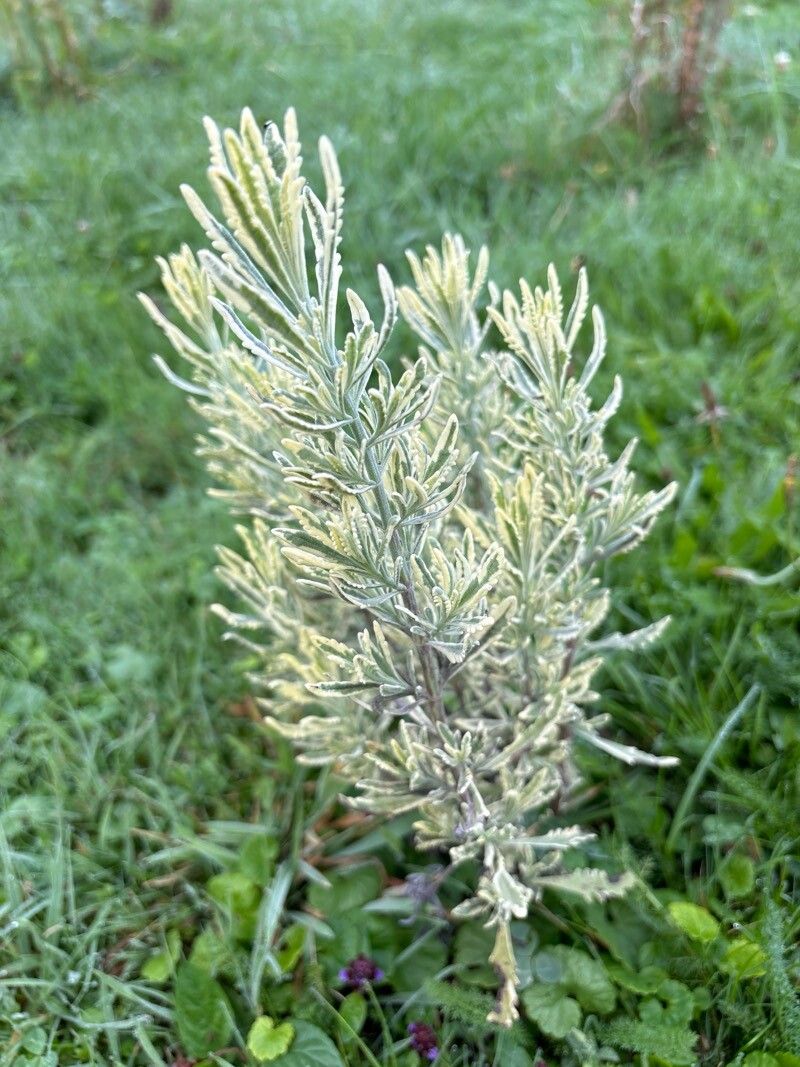
If you are searching for how to grow lavender, you are probably after the same dream most gardeners have: fragrant purple blooms, pollinators everywhere, and a plant that looks elegant without constant babysitting. Lavender can absolutely be that plant, but only if you treat it like a Mediterranean shrub, not like a thirsty cottage-garden flower. Good lavender plant care starts with the right type, lean soil, and disciplined watering. In this complete guide, you will learn when to plant lavender, how to keep it alive for years, how to prune safely, how to harvest for the strongest scent, and how to propagate by seed and cuttings.
Here is the big truth many guides skip: most failed lavender plants are not neglected, they are over-loved. Too much water, rich compost, and heavy pruning into old wood are the top killers. Tendra users who track moisture trends and local weather alerts usually catch these issues early, especially in humid climates where root stress can happen fast.

How to grow lavender starts with choosing the right type
One of the biggest competitive gaps online is that many articles talk about lavender as if it is one plant. It is not. The four main groups gardeners buy have very different climate tolerance, growth habits, and care needs. Matching the type to your region is often the difference between a ten-year shrub and a one-season disappointment.
- English lavender (Lavandula angustifolia): Best for colder gardens, generally hardy to USDA Zone 5 with drainage and winter protection. Usually compact, sweetly fragrant, and ideal for culinary use.
- French lavender (Lavandula dentata): Better for mild winters, typically Zone 8 and warmer. Distinct toothed leaves and long bloom windows in warm climates.
- Spanish lavender (Lavandula stoechas): Zone 7 and warmer in most gardens. Known for “rabbit ear” bracts and dramatic flower form, but less cold tolerant.
- Lavandin (Lavandula x intermedia): A hybrid between English and spike lavender. Large plants, long stems, heavy oil production, and strong perfume. Often used for hedges and drying bundles.
Surprising fact: lavandin plants can produce significantly more essential oil than many English cultivars, which is why they dominate commercial fragrance fields. But for cooking, many gardeners prefer English types for smoother flavor.

When to plant lavender and where it will actually thrive
When to plant lavender depends on your zone and drainage. In colder climates (Zones 5-6), plant in spring after hard frost risk passes so roots establish before winter. In milder climates (Zones 7-10), early spring or fall both work, with fall often preferred because roots grow in cool soil while heat stress is lower.
Timing by region
- Zones 5-6: Mid to late spring. Avoid late fall planting unless you have excellent drainage and winter protection.
- Zones 7-8: Spring or early fall, 6 to 8 weeks before first frost.
- Zones 9-10: Fall through early spring is usually easiest, avoiding peak summer transplant stress.
Site selection checklist
- At least 6 to 8 hours of direct sun daily.
- Airflow around plants, with spacing of about 18 to 36 inches (45 to 90 cm) depending on variety.
- No standing winter water. Raised mounds or berms help in rainy areas.
- Keep away from automatic irrigation zones used for thirstier plants.
If you are unsure which type matches your microclimate, Tendra’s local grower network can connect you with nearby gardeners growing the same cultivar successfully in your exact weather pattern.
Soil amendment for lavender: lean, gritty, alkaline-leaning
Lavender hates rich, wet, heavily amended soil. This is the opposite of generic gardening advice and a major reason new plants fail. If your instinct is to add lots of compost, pause. Compost can help structure in tiny amounts, but too much increases water retention and fertility that pushes weak, floppy growth.
Ideal soil profile
- Texture: Fast draining, gritty, airy.
- pH: Roughly 6.5 to 8.0 (neutral to alkaline-leaning).
- Fertility: Low to moderate. Lavender is adapted to poorer soils.
Simple soil mix strategy
For heavy clay beds, blend native soil with coarse sand or fine gravel and perlite/pumice to open pore space. In raised beds or containers, a practical blend is:
- 50% high-quality potting base
- 25% coarse mineral material (pumice/perlite)
- 25% coarse sand or grit
Avoid moisture-retentive mixes labeled for vegetables or tropical houseplants. For ongoing feeding, lavender usually needs little to no fertilizer. If growth is weak in spring, a very light balanced application is enough, and you can review spring timing in this guide on when to fertilize in spring.
How to plant lavender correctly
- Dig a hole only as deep as the root ball and 1.5 to 2 times wider.
- Mound the center slightly so the crown sits just above surrounding grade.
- Backfill with your amended, gritty mix. Do not bury stems.
- Water once to settle roots, then let soil dry before watering again.
- Add light gravel mulch around, but keep mulch off the crown.
Container planting follows the same logic: terracotta pots, wide drainage holes, and no saucer full of water. Most potted lavender dies from wet feet, not underwatering.
Lavender plant care through the season
Watering rhythm
Newly planted lavender needs regular but spaced watering while roots establish. Once established, water deeply but infrequently. Let top layers dry significantly between waterings. In many climates, mature in-ground lavender may need supplemental water only during prolonged heat and drought.
Humidity management
High humidity is a silent killer. In humid regions, widen spacing, avoid overhead watering, and choose the sunniest, breeziest site available. If your mornings stay damp, early-day airflow matters more than extra feedings or sprays.
Fertilizer and mulch
Lavender generally performs best with minimal feeding. Overfertilizing reduces essential oil concentration and can create weak growth. Prefer gravel mulch over bark mulch to keep crowns dry and reflect heat.
Why is my lavender dying? Troubleshooting before it is too late
This section should be in every serious lavender guide because most losses are preventable. If your plant is declining, work this list in order.
1) Overwatering or poor drainage (most common)
Symptoms include yellowing lower leaves, blackened stems near soil line, and sudden collapse despite wet soil. The fix is immediate: reduce watering, improve drainage, and if rot is severe, take healthy tip cuttings as insurance.
2) Wrong soil pH
Lavender struggles in acidic, waterlogged conditions. Test pH and adjust toward neutral to slightly alkaline if needed. In many gardens, a modest lime application can help, but always base amendments on a soil test.
3) Humidity and poor airflow
Persistent humidity encourages fungal stress. Thin nearby plants, prune lightly for airflow, and keep irrigation away from foliage and crown. If pests also appear, see this practical aphids guide for gentle control options that fit pollinator-friendly gardens.
Problem-solution mindset helps here: when foliage grays out and center stems die back, gardeners often add more water. For lavender, that usually accelerates decline. Drying out and improving air movement is usually the better first move.
Pruning lavender without killing it
Pruning timing is critical. Done well, pruning keeps plants dense and blooming. Done badly, it can permanently damage shrubs. The golden rule: never cut into old, leafless wood where no green growth remains, because many lavender types will not resprout reliably from that section.

Best pruning calendar
- After first flowering: Light shaping trim, removing spent spikes and a little green growth.
- Late summer or early fall: Optional light tidy in warm areas, but avoid very late hard pruning before frost.
- Spring cleanup: Remove winter-killed tips only, then shape gently once new growth appears.
How much to remove
A common approach is trimming around one-third of current season green growth, never into bare wood. Keep a soft dome shape so rain sheds off the crown and light reaches all sides.
Growing lavender from seed vs lavender from cuttings
Both propagation methods work, but they serve different goals. Growing lavender from seed gives variety and lower cost for large plantings, while lavender from cuttings gives faster, truer clones of a favorite plant.
Growing lavender from seed
- Start indoors 10 to 12 weeks before last frost.
- Use sterile, well-drained seed mix, lightly covering seeds.
- Provide bright light and steady warmth around 65 to 75°F (18 to 24°C).
- Expect slower, uneven germination depending on species and freshness.
- Transplant only after hardening off and stable warm weather.
Seed-grown plants can vary in vigor, bloom color, and fragrance, especially with non-stabilized seed lines.
Lavender from cuttings (high-success beginner method)
Take a 4-inch (10 cm) softwood cutting from healthy non-flowering shoots in spring or early summer. Strip lower leaves, dip the base in rooting hormone, and insert into a moist but airy propagation mix. Keep bright indirect light, light humidity, and good airflow. Most cuttings root in about 3 to 4 weeks.

Want a broader cloning workflow? This step-by-step article on how to propagate plants covers node selection, sanitation, and transplant timing.
Indoor lavender reality check
Can lavender grow indoors? Yes, but it is difficult long term for most homes. Lavender needs direct sun (usually 6+ hours daily), strong airflow, and infrequent watering. Typical indoor conditions are low light plus stagnant air, which invites decline.
- Use a bright south-facing window or strong supplemental grow light.
- Choose compact types and very free-draining mineral-heavy mix.
- Water only when the potting mix is mostly dry.
- Run a fan gently nearby for airflow, especially in humid rooms.
If this sounds like too much, treat indoor lavender as a short seasonal display and move plants outdoors whenever possible.
Companion planting with lavender
Lavender can be both beautiful and strategic in mixed gardens. Its scent and nectar profile support beneficial insects, while its drought tolerance pairs with other Mediterranean-style plants.
- With roses: Lavender can help deter aphids and visually softens rose beds.
- Near vegetables: Fragrance may discourage browsing by deer and rabbits in some settings.
- With herbs: Excellent in thyme, oregano, and rosemary plantings that share low-water preferences.
For layout ideas, spacing, and pairing logic, read our complete companion planting guide.
Harvesting lavender for fragrance, culinary use, and drying
Harvest timing affects both scent strength and color quality. For most uses, cut stems just before full bloom, when lower florets open and upper buds are still tight. This stage often preserves the highest aromatic punch after drying.

How to harvest and dry
- Harvest in the morning after dew evaporates.
- Use clean shears and cut long stems above woody framework.
- Tie small bundles with twine or rubber bands.
- Hang upside down in a dark, dry, ventilated room for 1 to 3 weeks.
- Store dried buds in airtight glass away from light and heat.
Popular uses
- Sachets and drawer fresheners
- Culinary infusions, syrups, and baked goods (culinary cultivars only)
- Crafts and wreaths
- Small-batch oils and bath blends
Best lavender varieties by goal
- Cooking: Munstead, Provence
- Fragrance: Hidcote
- Hedging and bundles: Grosso (lavandin)
- Containers: Thumbelina Leigh
Surprising fact: two plants labeled “lavender” at a nursery can differ massively in winter survival and mature size. Always check cultivar and species, not just the common name on the tag.
Winter care by zone
- Zones 5-6: Prioritize drainage, mulch lightly around the crown (not over it), shield from winter wet and freeze-thaw cycles.
- Zone 7+: Usually low intervention outdoors if drainage is good.
- Containers in cold climates: Move to an unheated bright shelter, or insulate pots and protect from soaking winter rain.
In wet-winter climates, “cold” is often less dangerous than “cold plus saturation.” Keep roots dry and crowns ventilated.
Real-world example: Sam from San Diego turns lavender failures into a hedge
Sam from San Diego had replaced lavender three times in two years. Each plant looked fine at first, then yellowed from the base and collapsed in late summer. He assumed drought stress, so he watered more. The cycle repeated.
When he started logging care notes in Tendra, the pattern became obvious: irrigation drift from nearby lawn sprinklers was soaking the lavender zone every other day. He rebuilt the bed with a gritty mineral mix, raised the planting area, switched to deep but infrequent hand watering, and replaced one unknown nursery lavender with 'Grosso' plus 'Munstead' for contrast. He also pruned only in green growth after bloom, avoiding cuts into woody stems.
By the next season, all plants survived, bloom spikes doubled, and he had enough stems for drying bundles. The key lesson was simple: lavender was not fragile, it was mismatched to his previous soil and watering system.
Quick seasonal checklist for how to grow lavender successfully
- Spring: Plant after frost in cold zones, check drainage, light cleanup pruning.
- Early summer: Monitor moisture, avoid overfeeding, take softwood cuttings.
- Mid to late summer: Harvest just before full bloom, shape prune after flowering.
- Fall: Plant in mild zones, avoid heavy late pruning before frost.
- Winter: Protect from wet crowns, especially in zones 5-6 and containers.
Lavender FAQ: quick answers beginners search for
How often should I water newly planted lavender?
For the first few weeks, water deeply when the top couple inches feel dry, then extend intervals as roots establish. The goal is deep rooting, not constantly moist soil. In many climates that means every 5 to 10 days during establishment, then less often.
Can lavender survive frost?
English lavender can handle significant winter cold when drainage is excellent. French and Spanish types are much less cold-tolerant and are often treated as tender perennials in colder regions. If your winters are wet, drainage and crown protection matter as much as minimum temperature.
Should I deadhead lavender?
Yes. Removing spent flower spikes keeps plants tidy and can encourage a lighter rebloom in some climates. Deadheading is not the same as hard pruning, though. Stay in green growth and avoid cutting into old woody sections.
Does lavender need fertilizer every month?
No. Frequent feeding often causes weak, leggy growth and lower fragrance quality. Most garden lavender does best with little to no fertilizer once established, especially in reasonably balanced soil.
How long does lavender live?
With proper site conditions, many plants live 5 to 10 years or longer, depending on type and climate. Poor drainage and improper pruning shorten lifespan dramatically.
Final takeaway
Once you understand the plant’s native preferences, how to grow lavender becomes straightforward: pick the right type for your zone, keep soil lean and fast-draining, water less than you think, and prune with discipline. If you remember one sentence, make it this: lavender thrives on neglect compared with most ornamentals. Give it sun, airflow, and drainage, then step back.
Track your lavender through every season with Tendra — from spring planting to summer harvest.