When to Fertilize Garden in Spring — And Why Timing Is Everything
You survived winter. Your garden beds are thawing, green shoots are poking through the mulch, and you're itching to get things growing again. So you grab a bag of fertilizer and start spreading — but wait. When to fertilize garden in spring isn't as simple as "when it feels warm outside." Fertilize too early, and nutrients wash away before roots can absorb them. Too late, and your plants miss their critical growth window. The difference between a mediocre garden and a jaw-dropping one often comes down to feeding the right nutrients at the right time.
In this guide, we'll break down exactly when and how to fertilize your garden this spring — from understanding NPK numbers on fertilizer bags to building a plant-by-plant feeding schedule. Whether you're growing tomatoes, tending roses, or just trying to green up your lawn, you'll walk away with a clear plan that takes the guesswork out of spring fertilizing.
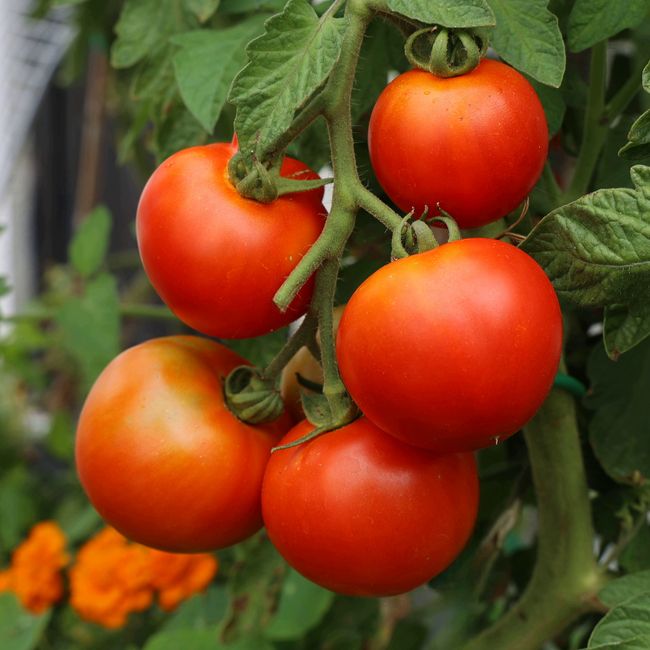
Spring fertilizing at the right time gives plants the nutrient boost they need for explosive growth.
Don't Guess, Test! Why Soil Testing Comes Before Fertilizing
Here's the number one mistake gardeners make every spring: they fertilize without knowing what their soil actually needs. It's like taking medicine without a diagnosis. Your soil might already be loaded with phosphorus but desperately short on nitrogen — dumping a balanced 10-10-10 fertilizer would waste money and potentially harm your plants through nutrient overload.
A basic soil test costs between $10 and $30 through your local cooperative extension office, and it tells you exactly what's happening underground: pH level, nitrogen (N), phosphorus (P), potassium (K), and often micronutrients like calcium, magnesium, and sulfur. Most extension offices return results within two weeks, complete with specific fertilizer recommendations for your soil type and what you're growing.

A simple soil test kit reveals exactly which nutrients your garden needs — and which it doesn't.
When to Test
- Ideal timing: Late winter or very early spring (February–March), before you fertilize
- Frequency: Every 2–3 years for established gardens, annually for new beds or problem areas
- How: Collect samples from 6–8 spots in each garden area, mix them, and send about 2 cups (475 ml) to your extension office
If you can't get a soil test in time, a general-purpose organic fertilizer applied at half strength is a safe starting point. But make testing a priority for next season — your wallet and your plants will thank you.
NPK Explained: Decoding Fertilizer Numbers
Those three numbers on every fertilizer bag — like 10-10-10 or 5-10-10 — aren't a secret code. They represent the percentage by weight of the three primary plant nutrients: Nitrogen (N), Phosphorus (P), and Potassium (K). Understanding what each does is the key to choosing the right spring fertilizer schedule for your garden.
What Each Nutrient Does
- Nitrogen (N) — The Leaf Builder: Drives leafy green growth. Essential for lawns, lettuce, spinach, and any plant where foliage is the main attraction. Too much causes leggy growth, weak stems, and reduced flowering.
- Phosphorus (P) — The Root & Bloom Booster: Supports strong root development, flower production, and fruit set. Critical for tomatoes, peppers, roses, and newly transplanted seedlings.
- Potassium (K) — The Overall Health Builder: Strengthens cell walls, improves disease resistance, and helps plants handle drought and cold stress. Think of it as the plant's immune system.
Common NPK Ratios and When to Use Them
Here's a quick reference for the most common fertilizer formulations:
- 10-10-10 (Balanced): General purpose for gardens with unknown needs. Good starting point, but often delivers more phosphorus than most soils need.
- 5-10-10 (Bloom Booster): Higher phosphorus and potassium for flowering plants, fruiting vegetables, and root crops like carrots and beets.
- 21-0-0 (Ammonium Sulfate): Pure nitrogen for lawns and heavy feeders. Also lowers soil pH — useful for acid-loving plants like blueberries (Vaccinium spp.).
- 0-0-60 (Muriate of Potash): Straight potassium for soils testing low in K. Common in commercial farming, less common in home gardens.
- 4-6-3 (Typical Organic Blend): Lower numbers but gentler, slower release. Won't burn plants. Feeds soil biology as well as plants.

Various types of garden fertilizers arranged on a rustic wooden potting bench in a greenhouse" width="800" loading="lazy">
From granular synthetics to liquid fish emulsion, choosing the right fertilizer depends on your soil test results and what you're growing.
Organic vs. Synthetic Fertilizer: Which Is Right for Your Garden?
This is one of the most common debates in gardening, and the truth is — both have their place. Here's an honest comparison to help you decide which fits your spring fertilizer schedule:
Head-to-Head Comparison
- Speed of Action: Synthetic fertilizers deliver nutrients immediately — plants can absorb them within hours. Organic fertilizers need soil microbes to break them down first, taking 2–6 weeks for full effect.
- Cost: Synthetic is cheaper per pound of actual nutrient. A 40 lb (18 kg) bag of 10-10-10 costs $15–$25. Equivalent organic coverage might run $30–$50.
- Burn Risk: Synthetic fertilizers can chemically burn roots and foliage if over-applied. Organic fertilizers have very low burn risk — nearly impossible to over-apply.
- Soil Health: This is where organic wins decisively. Organic fertilizers feed beneficial soil microbes, improve soil structure, and increase water retention over time. Synthetic fertilizers feed the plant but do nothing for the soil — and heavy use can actually harm soil biology.
- Environmental Impact: Synthetic fertilizer runoff contributes to waterway pollution and algal blooms. Organic fertilizers release slowly, minimizing runoff risk.
- Convenience: Synthetic is precise and predictable. Organic nutrient content varies by batch and source.
The bottom line: For long-term garden health, lean organic. For quick fixes on severely deficient soil, a targeted synthetic application followed by an organic maintenance program gives you the best of both worlds.
Budget-Friendly Organic Fertilizer Options
You don't need to spend a fortune to feed your garden organically. Some of the best fertilizer for vegetable garden use comes from surprisingly affordable sources:
- Compost: The gold standard. If you're already composting at home, you have a free, continuous supply of balanced nutrition. Apply 1–2 inches (2.5–5 cm) as a top dressing in spring.
- Compost Tea: Steep finished compost in water for 24–48 hours with an aquarium bubbler for aeration. Strain and spray directly on foliage or drench the soil. Cost: essentially free if you have compost.
- Fish Emulsion (5-1-1): Excellent nitrogen source for leafy greens and early-season growth. Dilute per label directions and apply every 2–3 weeks. Smells terrible, works beautifully. About $12 per quart — lasts all season.
- Bone Meal (3-15-0): Outstanding phosphorus source for bulbs, root crops, and transplants. Work into the soil at planting time. Roughly $8–$15 per 4 lb (1.8 kg) bag.
- Blood Meal (12-0-0): Fast-acting nitrogen boost. Use sparingly — it's potent. A little goes a long way at $10–$15 per bag.
- Coffee Grounds: Mildly acidic (pH 6.5), contain about 2% nitrogen. Best added to compost rather than directly to soil. Free from any coffee shop — many will give you bags of spent grounds happily.
- Epsom Salt (Magnesium Sulfate): Not technically a fertilizer, but excellent for magnesium-loving plants like tomatoes and peppers. Dissolve 1 tablespoon per gallon (15 ml per 3.8 L) and water in monthly.
The Spring Fertilizer Schedule: Plant-by-Plant Timing Guide
Here's where we get specific. Different plants need fertilizer at different times and in different amounts. Use this spring fertilizer schedule as your roadmap:
Vegetable Garden
- Tomatoes (Solanum lycopersicum): First feeding at transplant time — work a balanced organic fertilizer (like 4-6-3) into the planting hole. Second feeding when the first fruits appear, switching to a phosphorus-heavy formula (5-10-10) to support fruit development. Side-dress every 3–4 weeks through the growing season.
- Peppers (Capsicum annuum): Similar to tomatoes. Feed at transplant with balanced fertilizer, then switch to lower-nitrogen formula once flowering begins. Too much nitrogen means lots of leaves but few peppers.
- Leafy Greens (Lettuce, Spinach, Kale): These are nitrogen-hungry. Apply fish emulsion or blood meal every 2–3 weeks starting when seedlings are 3–4 inches (7–10 cm) tall.
- Root Vegetables (Carrots, Beets, Radishes): Go easy on nitrogen (causes forked roots). Use a low-N, higher-P formula like 0-10-10 or bone meal worked into the bed before planting.
- Squash & Cucumbers (Cucurbita spp.): Heavy feeders. Apply compost at planting, then side-dress with balanced fertilizer when vines begin to run and again when first flowers appear.
Flower Garden
- Roses (Rosa spp.): Begin fertilizing after spring pruning, when new growth is 4–6 inches (10–15 cm) long. Use a rose-specific fertilizer or balanced organic blend. Repeat monthly through mid-summer. Stop fertilizing 6–8 weeks before your first expected fall frost to allow hardening off.
- Perennials: Apply a light top-dressing of compost or slow-release granular fertilizer when new growth emerges in spring. Most established perennials need only one spring feeding.
- Spring Bulbs (Tulips, Daffodils): Feed with bone meal or bulb fertilizer as foliage emerges. This feeds the bulb for next year's blooms — the current year's flowers were set last fall.
- Annuals: Wait until transplanting, then feed with a balanced liquid fertilizer every 2 weeks. Container annuals need more frequent feeding since nutrients leach with watering.
Lawn
- Cool-Season Grasses (Kentucky Bluegrass, Fescue): First spring feeding when soil temperature consistently reaches 55°F (13°C) — usually when you've mowed 2–3 times. Use a slow-release nitrogen fertilizer (like 30-0-4). Apply at 1 lb nitrogen per 1,000 sq ft (0.5 kg per 93 sq m).
- Warm-Season Grasses (Bermuda, Zoysia, St. Augustine): Wait until the grass is actively growing and greening up — typically late April through May depending on your zone. Early fertilization on dormant warm-season turf encourages weeds, not grass.
Trees & Shrubs
- Fruit Trees: Fertilize in early spring before bud break. Spread granular fertilizer in a ring at the drip line (not against the trunk). Young trees: 1/10 lb actual N per year of age. Mature trees: soil test first.
- Ornamental Trees: Most established trees in healthy soil don't need fertilizer. Only feed if growth is visibly poor or a soil test indicates deficiency.
- Blueberries (Vaccinium spp.): Acid-loving plants need sulfur-based fertilizers. Apply ammonium sulfate (21-0-0) or a specialized acid-loving plant formula in early spring when buds begin to swell.
Keeping track of all these different schedules can feel overwhelming — especially if you're growing a diverse garden. This is where Tendra's Smart Care reminders become invaluable. Set up fertilizer reminders for each of your plants and Tendra nudges you at exactly the right time, customized to your specific growing zone and plant varieties.

Side-dressing with granular fertilizer gives heavy-feeding vegetables a targeted nutrient boost right where roots can access it.
6 Common Fertilizer Mistakes That Kill Gardens
Even experienced gardeners make these errors. Avoid them and you'll be ahead of 90% of people wielding fertilizer bags this spring:
1. Fertilizing Dry Soil
Never fertilize dry soil. This is one of the most important rules in gardening, and one of the most commonly broken. When you apply fertilizer to dry ground, the concentrated salts sit directly against roots with no water to dilute them. The result? Chemical root burn that can stunt or kill plants outright. Always water thoroughly the day before fertilizing, or apply fertilizer right before a rain. The moisture creates a buffer zone between concentrated nutrients and delicate root hairs, allowing gradual, safe absorption.
2. Over-Fertilizing (Nitrogen Burn)
More is not better. Excess nitrogen causes rapid, weak growth that's susceptible to pests and disease. Classic symptoms: brown leaf edges (fertilizer burn), lush foliage but no flowers or fruit, and that distinctive "too-green" look. If you've over-applied, flood the area with water to flush excess salts through the soil profile. For container plants, leach with 4–5 full waterings in succession.
3. Wrong Timing — Too Early
Fertilizing before the soil warms up is like putting food in front of a sleeping person. Plants can't absorb nutrients when soil temperatures are below 40°F (4°C). The fertilizer just sits there, waiting to be washed away by spring rains. In most areas, wait until soil hits 50°F (10°C) before your first application.
4. Wrong Timing — Too Late
Fertilizing trees and shrubs in late summer or fall stimulates tender new growth that won't harden off before winter. The result is freeze damage and dieback. Stop fertilizing woody plants by mid-July in most zones.
5. Ignoring Soil pH
Soil pH determines nutrient availability. Even if you add plenty of phosphorus, plants can't access it in highly alkaline soil (pH above 7.5). Conversely, aluminum and manganese become toxic to plants in very acidic soil (below 5.0). Fix pH first, then fertilize.
6. Using the Same Fertilizer for Everything
Your lawn, your roses, and your blueberries all need different things. A high-nitrogen lawn fertilizer will wreck your vegetable garden's fruit production. A rose fertilizer applied to acid-loving plants ignores their pH needs. Match the fertilizer to the plant.
Real-World Story: Sarah's Fertilizer Turnaround in Portland
Sarah from Portland had been gardening for five years and always wondered why her tomato plants grew like crazy but barely produced fruit. "I was so proud of how green and tall they were," she recalls. "But my neighbor, who barely did anything special, was harvesting buckets of tomatoes."
The problem? Sarah had been feeding her entire vegetable garden with a high-nitrogen lawn fertilizer every two weeks. Her plants were nitrogen-drunk — all leaf, no fruit. After getting a soil test through Oregon State University's extension service, she discovered her phosphorus levels were rock-bottom while nitrogen was sky-high.
She switched to bone meal at transplanting time and a 5-10-10 formula once flowering started. "The difference was unbelievable," she says. "That first year after the switch, I got more tomatoes than I could eat. I was giving bags away to neighbors." Her raised bed setup — similar to what we cover in our raised bed guide — made it easy to target fertilizer exactly where each crop needed it.

Organic amendments like compost, bone meal, and blood meal build soil health while feeding plants — a win-win for long-term garden productivity.
Your Spring Fertilizing Action Plan
Here's your week-by-week checklist to nail spring garden fertilizer timing this year:
- Week 1 (Now): Order or pick up a soil test kit. Collect samples from each garden zone (veggie beds, flower borders, lawn). Send to your local extension office.
- Week 2–3: While waiting for results, apply 1–2 inches (2.5–5 cm) of compost as a top dressing to all garden beds. This is safe regardless of soil test results and feeds soil biology.
- Week 3–4: Soil test results arrive. Purchase recommended fertilizers. Begin feeding according to the plant-by-plant schedule above.
- Ongoing: Water before every fertilizer application. Side-dress heavy feeders every 3–4 weeks. Stop feeding woody plants by mid-summer.
Feed Smart, Grow Strong
Knowing when to fertilize garden in spring — and more importantly, how — transforms your garden from surviving to thriving. Start with a soil test so you're not guessing. Choose fertilizers matched to each plant's needs. Time your applications to when roots are actively growing. And never, ever fertilize dry soil.
The beauty of a well-fed garden is that it works with you, not against you. Healthy, properly nourished plants resist pests and disease better, produce more flowers and fruit, and simply look better doing it. Your spring fertilizer investment — whether organic compost from your own pile or a targeted synthetic application — pays dividends all season long.
Ready to take the guesswork out of garden care entirely? Discover Tendra's Smart Care reminders — set custom fertilizer schedules for every plant in your garden, get notifications timed to your zone's soil temperatures, and connect with local gardeners who know exactly what works in your area. Tendra — where local gardeners connect and thrive.