Why Ants Show Up in Your Garden (And Whether You Should Worry)
You step outside with your morning coffee, kneel down to check on your tomatoes, and there they are — hundreds of tiny ants streaming across the soil in a relentless, organized highway. If you've ever wondered how to get rid of ants in garden beds without reaching for harsh chemicals, you're not alone. It's one of the most common questions gardeners ask every spring and summer, and the good news is that nature provides plenty of effective answers.
Before you declare war on every ant in your yard, though, it's worth understanding what's actually going on beneath the surface. Ants are drawn to gardens for predictable reasons: food sources like honeydew from aphids, sweet plant nectar, and decaying organic matter; shelter in loose, well-aerated soil (the same conditions your plants love); and moisture, especially around drip irrigation lines and mulched beds. Understanding why ants appear is the first step to controlling them without disrupting the entire ecosystem you've worked so hard to build.
The reality is that not all ants in garden settings are bad news. Many species actually improve soil health. But when colonies explode in size, damage roots, or protect destructive aphid populations on your prized vegetables, it's time to take action. Let's start by identifying what you're dealing with.
Know Your Enemy: Common Ant Species in Gardens
Not all ants behave the same way, and identifying the species in your garden will help you choose the right natural ant control strategy. Here are the three most common types you'll encounter:
Fire Ants (Solenopsis invicta)
Fire ants are the ones you definitely want gone. Reddish-brown and aggressive, they build distinctive dome-shaped mounds that can reach 18 inches (45 cm) tall. Their painful, venomous stings make them a genuine safety hazard — especially around children, pets, and anyone with allergies. Fire ants are most prevalent in the southern United States (USDA Zones 7–11) and have been steadily expanding their range northward. They're also voracious predators that can damage seedlings and young transplants by tunneling through root systems.
Carpenter Ants (Camponotus spp.)
Large and black (sometimes with reddish tones), carpenter ants are the biggest ants you'll find in North American gardens — workers can measure up to half an inch (12 mm) long. Unlike termites, they don't eat wood, but they excavate it to build nests. In gardens, they typically nest in dead stumps, landscape timbers, and rotting wood borders of raised beds. They're less of a direct threat to living plants but can signal moisture and decay problems in your garden structures. If you see sawdust-like frass near wooden garden borders, carpenter ants are the likely culprit.
Black Garden Ants (Lasius niger)
These are the everyday ants most gardeners encounter — small (about 4 mm), shiny black, and generally non-aggressive. Black garden ants are the ones most likely to "farm" aphids on your plants, protecting them from predators in exchange for the sweet honeydew aphids produce. A single colony can tend thousands of aphids across your garden, which means controlling these ants often goes hand-in-hand with getting rid of aphids naturally. While individually harmless, large colonies can undermine root systems and displace soil around seedlings.
If you're unsure which species has moved in, Tendra's AI pest diagnosis feature can help — snap a photo and get an instant identification along with species-specific control recommendations tailored to your region.
10 Natural Methods to Get Rid of Ants in Your Garden
Now for what you came here for: proven organic ant removal methods that actually work, without introducing synthetic pesticides into your soil or harming beneficial insects. These range from quick deterrents to longer-term biological solutions. For the best results, combine two or three approaches.
1. Diatomaceous Earth (DE)

Diatomaceous earth is the heavyweight champion of natural ant control, and for good reason. This fine powder, made from fossilized aquatic organisms called diatoms, works mechanically rather than chemically — the microscopic sharp edges cut through ants' exoskeletons, causing them to dehydrate and die within 24–48 hours. Sprinkle food-grade DE generously around ant mounds, along trails, and at the base of affected plants. The catch? It loses effectiveness when wet, so reapply after rain or watering. Apply in the evening after irrigation to maximize contact time. A 4-pound (1.8 kg) bag typically covers a small to medium garden bed.
2. Cinnamon Barriers

Cinnamon contains cinnamaldehyde, a compound that ants genuinely hate. It disrupts their pheromone communication trails and acts as a natural fumigant at high concentrations. Sprinkle ground cinnamon directly on ant mounds and in thick lines around garden bed borders. For a stronger effect, mix cinnamon essential oil (10–15 drops) with a cup of water in a spray bottle and apply directly to trails and entry points. The scent fades after a few days, so reapply weekly. Cinnamon won't kill a colony outright, but it's excellent for redirecting ants away from specific areas and is completely safe around edible plants.
3. White Vinegar Spray
A 50/50 mix of white vinegar and water is a potent ant disruptor. The acetic acid erases pheromone trails instantly, confusing foraging ants and breaking down their navigation system. Spray directly on visible trails, around mound entrances, and along garden bed edges. Important caveat: vinegar can lower soil pH and harm plant foliage with direct contact, so spray on soil surfaces and hardscape only — not on leaves. It works best as a trail-disruption tool combined with other methods rather than as a standalone colony killer.
4. Boiling Water
This is the most immediately satisfying method. Pouring 2–3 gallons (7.5–11 liters) of boiling water directly into an ant mound can kill up to 60% of the colony on contact, including brood chambers near the surface. The limitation? Deep-nesting species like fire ants often have queens buried 2–3 feet (60–90 cm) underground, so a single treatment rarely eliminates the entire colony. Repeat every 2–3 days for a week. Avoid pouring near plant root zones — boiling water will scald roots just as effectively as it scalds ants. Best used on mounds in pathways, open soil, and lawn areas away from your prized plants.
5. Beneficial Nematodes
For a truly biological approach, beneficial nematodes (Steinernema feltiae or Heterorhabditis bacteriophora) are microscopic roundworms that parasitize ant larvae and pupae underground. You buy them as a powder or gel, mix with water, and apply to the soil with a watering can. They seek out ant brood chambers and release bacteria that kill larvae within 48 hours. Nematodes work best in moist soil above 55°F (13°C) and are completely harmless to plants, earthworms, pets, and humans. Apply in the evening (UV light kills them) and water in thoroughly. One application can suppress ant populations for 4–6 weeks.
6. Borax and Sugar Bait Stations
This is the go-to method for eliminating entire colonies, including the queen. Mix 1 tablespoon of borax with 3 tablespoons of sugar and enough warm water to dissolve everything into a syrupy liquid. Soak cotton balls in the solution and place them near ant trails in small containers (bottle caps work well). Worker ants carry the sweet bait back to the colony, where it's shared through trophallaxis — their food-sharing behavior — eventually reaching and killing the queen. It takes 3–7 days for the colony to collapse. Keep bait stations away from areas accessible to pets and children, and refresh every 3 days until activity stops.
7. Citrus Peel Deterrent
D-limonene, the compound that gives citrus its sharp smell, is toxic to ants on contact and acts as a powerful repellent at lower concentrations. Blend orange, lemon, or grapefruit peels with water, let the mixture steep overnight, then strain and spray around garden beds. Alternatively, scatter fresh citrus peels directly on and around ant mounds. As a bonus, decomposing citrus adds nutrients and organic matter to your soil. Replace peels every few days as they dry out.
8. Coffee Grounds
Used coffee grounds do double duty in the garden — they repel ants while adding nitrogen-rich organic matter to your soil. Sprinkle grounds in a 2-inch (5 cm) wide band around plants and along garden borders. The strong scent confuses ant navigation, and the gritty texture discourages them from crossing. Coffee grounds are mildly acidic, so they're especially beneficial around acid-loving plants. Refresh weekly, as the scent diminishes over time. Many coffee shops will give away used grounds for free — ask at your local café.
9. Peppermint Essential Oil Spray
Peppermint oil contains menthol and pulegone, both of which are intensely repellent to ants. Mix 15–20 drops of pure peppermint essential oil with 2 cups of water and a small squirt of dish soap (the soap helps the oil disperse in water). Spray along ant trails, around mound entrances, and on garden bed borders. The menthol scent remains effective for 3–5 days per application. As a side benefit, peppermint also deters other garden pests including fungus gnats and some species of beetles.
10. Companion Planting with Ant-Repelling Plants
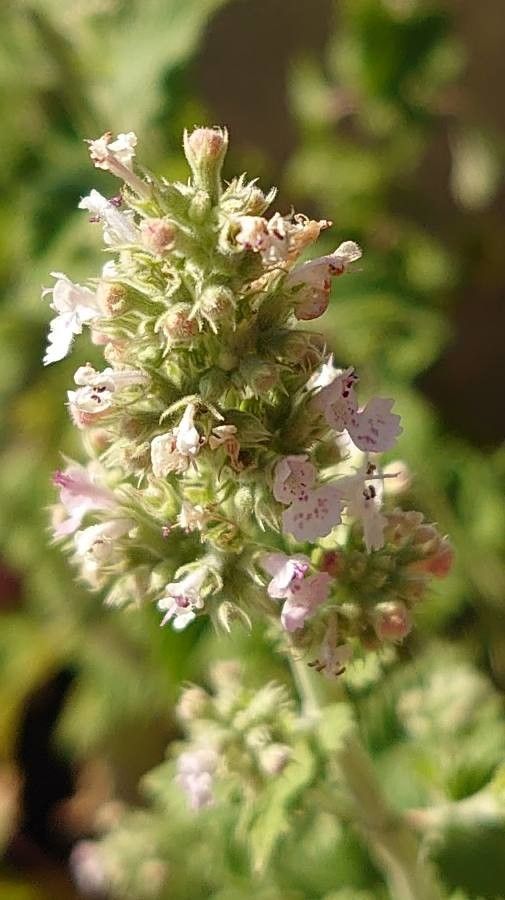
Certain plants naturally produce compounds that ants avoid. Strategically planting these around your garden creates a living, self-maintaining barrier. Strong candidates include tansy (Tanacetum vulgare), pennyroyal (Mentha pulegium), chrysanthemums (which contain pyrethrin), and catnip (Nepeta cataria). Interplant these among vegetables and ornamentals for season-long deterrence. For a deeper dive into which plants work well together — and which ones don't — check out our complete companion planting guide.
When Ants Are Actually Beneficial

Here's a fact that might change your perspective: ants are among the most important soil engineers on the planet. A single garden ant colony can move up to 50 tons of soil per acre annually — that's more earth-moving per capita than earthworms. Their tunneling aerates compacted soil, improves water infiltration, and distributes nutrients deeper into root zones. Ants also serve as predators of many actual garden pests, including caterpillar eggs, flea larvae, and small grubs.
Research from the University of Exeter found that gardens with moderate ant populations showed 36% better soil drainage and measurably higher concentrations of phosphorus and potassium in the root zone compared to ant-free control plots. Some species also disperse seeds, contributing to plant biodiversity.
The takeaway? Total ant eradication isn't the goal — and attempting it would likely harm your garden more than help it. The aim is management: keeping populations at a level where their benefits outweigh the downsides, and redirecting them away from your most vulnerable plants. A few ants marching across your soil is a sign of a healthy ecosystem. A thousand ants swarming your lettuce seedlings is a problem worth solving.
Sarah's Portland Garden: A Natural Ant Control Success Story
Sarah from Portland had been battling ants in her raised vegetable beds for two consecutive summers. "They weren't fire ants, but there were so many of them," she said. "Every time I'd dig a planting hole for a new transplant, I'd unearth another nest. My sugar snap peas were covered in aphids, and I could see the ants actively protecting them — herding them like little livestock."
After identifying her problem species as black garden ants (Lasius niger) using Tendra's AI identification tool, Sarah developed a three-pronged approach: she applied diatomaceous earth around bed edges, set borax-sugar bait stations near the most active trails, and interplanted chrysanthemums and tansy at the corners of each raised bed. "Within two weeks, the ant highways were gone," she reported. "I still see some ants — which I'm fine with now that I understand they're helping my soil — but the aphid problem basically solved itself once the ants stopped protecting them. My snap peas finally had a fighting chance."
Sarah's story illustrates a critical point: addressing ants in garden beds often solves secondary pest problems simultaneously. When ants no longer guard aphid colonies, natural predators like ladybugs and lacewings move in to clean up.
Preventing Ant Infestations Before They Start
The most effective natural ant control is prevention. Once colonies establish deep underground nests, removal becomes significantly harder. Here's how to keep ant populations manageable from the start:
- Manage aphid populations proactively. Aphids are the single biggest ant attractant in most gardens. Regular inspection and early treatment with insecticidal soap or neem oil removes the honeydew food source that draws ants in.
- Clean up fallen fruit and food waste. Rotting fruit on the ground is an open invitation. Harvest promptly and compost fallen fruit in enclosed bins, not open piles near garden beds.
- Avoid over-mulching directly against plant stems. Mulch is essential for moisture retention, but thick layers pressed against stems create sheltered, moist conditions that ants love for nesting. Leave a 2-inch (5 cm) gap between mulch and plant bases.
- Fix moisture issues. Leaky drip lines, poor drainage, and standing water attract ants (and dozens of other pests). Audit your irrigation system at the start of each season.
- Maintain garden bed borders. Ants frequently nest in rotting landscape timbers and cracked concrete edging. Replace deteriorating wood borders and seal gaps in hardscape.
- Rotate your repellent plants. If you're using companion planting for ant deterrence, move your repellent plants to different spots each year so ants don't simply route around established plantings.
- Monitor weekly during peak season. A 5-minute weekly walk-through in April through September catches new colonies before they become entrenched. Look for fresh soil mounds, new trails, and aphid activity on plant stems.
When to Call a Professional
Natural methods handle the vast majority of garden ant situations effectively. However, there are cases where professional intervention makes sense:
- Large fire ant infestations (multiple mounds across your property) pose genuine health risks, especially in yards where children or pets play.
- Carpenter ant damage to structures — if ants have moved from your garden into your home's foundation, deck, or outbuildings, the damage can be structural.
- Colonies that resist repeated treatment — some mature colonies have satellite nests and backup queens that make DIY elimination extremely difficult.
If you do consult a professional, ask specifically about IPM (Integrated Pest Management) approaches and request that any treatments used are compatible with organic garden practices.
Putting It All Together: Your Natural Ant Control Plan
Getting rid of ants in garden beds naturally isn't about a single magic bullet — it's about layering multiple approaches for lasting results. Start by identifying which species you're dealing with. Address the food sources (especially aphids) that attracted them. Apply direct treatments like diatomaceous earth and borax baits to active colonies. Plant natural repellents for ongoing deterrence. And maintain good garden hygiene to prevent reinfestation.
The goal isn't a sterile, ant-free garden — that would actually be less healthy for your soil and plants. The goal is balance: enough ants to aerate your soil and control other pests, but not so many that they're undermining your seedlings and farming aphids on your tomatoes.
Every garden is a unique ecosystem, and what works in a dry Arizona landscape won't be the same as what works in a humid Georgia backyard. Observe, experiment, and adapt your approach based on what your specific garden tells you.
Discover smarter pest identification and connect with local gardeners who've tackled the same challenges with Tendra — where local gardeners connect and thrive.