Why Aphids Are Every Gardener's Worst Nightmare — And How to Fight Back
You walk outside to check on your tomatoes and notice something unsettling: clusters of tiny, soft-bodied insects blanketing the undersides of your leaves, stems glistening with sticky residue, and new growth curling inward like it's trying to hide. If you're wondering how to get rid of aphids, you're far from alone — these sap-sucking pests are among the most common garden invaders on the planet, affecting everything from roses and peppers to fruit trees and houseplants.
Aphids (Aphidoidea) reproduce at staggering rates. A single female can produce up to 80 offspring in a week — without mating. Left unchecked, a small cluster becomes a full-blown infestation within days, causing yellowed leaves, stunted growth, sooty mold from honeydew secretions, and even the transmission of plant viruses. The good news? You don't need harsh chemical pesticides to win this battle.
In this guide, we're covering 8 proven natural methods to eliminate aphids on plants, ranked from fastest to most thorough, complete with exact DIY spray recipes and a prevention strategy that keeps them from coming back. Whether you're dealing with green peach aphids on your vegetables or woolly aphids on your apple tree, Tendra's AI pest diagnosis can help you identify exactly what you're dealing with — and this guide will tell you what to do next.

⚡ Speed Ranking: From Instant Relief to Long-Term Control
Before we dive into each method, here's a quick reference to help you decide where to start based on your situation:
- 🟢 Instant (minutes): Water blast — immediate knockdown
- 🟡 Fast (hours): Soapy water spray — kills on contact
- 🟡 Fast (hours): Neem oil spray — kills + repels
- 🟡 Fast (1-2 days): Essential oil sprays — repels and deters
- 🔵 Medium (3-7 days): Diatomaceous earth — physical barrier + kill
- 🔵 Medium (1-2 weeks): Reflective mulch — long-term deterrent
- 🟣 Slow (2-4 weeks): Beneficial insects — sustainable colony control
- 🟣 Slow (seasonal): Companion planting — prevention-focused
For most gardeners, the best strategy is a combination: start with a fast method for immediate relief, then layer in long-term approaches for lasting organic aphid control.
1. The Water Blast: Your First Line of Defense

The simplest way to deal with aphids on plants is often the most effective for light to moderate infestations. Grab your garden hose, set the nozzle to a firm but not damaging stream, and blast the undersides of affected leaves. The force knocks aphids off the plant, and here's the key fact most people don't realize: once dislodged, aphids rarely make it back. They're slow movers and easy prey for ground-dwelling predators.
How to Do It Right
- Use a hose with an adjustable nozzle — you want firm pressure, not a fire hose
- Focus on the undersides of leaves and along stems where aphids cluster
- Spray early morning so leaves dry during the day (reduces fungal risk)
- Repeat every 2-3 days for 1-2 weeks to catch newly hatched nymphs
- Support tender stems with your hand while spraying to prevent breakage
Best for: Sturdy plants like roses, tomatoes, peppers, and fruit trees. Avoid on delicate seedlings or herbs with fragile stems.
2. DIY Soapy Water Spray: The Kitchen Cabinet Solution
This is the most popular Reddit-recommended method for good reason — it works fast and costs almost nothing. Soap breaks down the waxy coating on aphids' bodies, causing them to dehydrate and die within hours. Here's the exact recipe:
Soapy Water Aphid Spray Recipe
- 1 quart (950 ml) of lukewarm water
- 1 tablespoon (15 ml) pure liquid castile soap or mild dish soap (like Dr. Bronner's or Dawn — avoid antibacterial varieties)
- Optional: 1 teaspoon (5 ml) vegetable oil (helps the solution stick to leaves)
Mix gently to avoid excessive suds. Pour into a spray bottle and apply directly to aphid colonies, thoroughly coating both sides of leaves. The vegetable oil addition — a tip that's consistently upvoted on gardening forums — creates a thin film that suffocates aphids more effectively than soap alone.
Important Precautions
- Always test first: Spray a small area and wait 24 hours to check for leaf burn
- Never spray in direct sunlight or heat above 90°F (32°C) — the soap can scorch leaves
- Rinse plants with clean water 2-3 hours after application
- Reapply every 4-5 days until aphids are gone (soap only kills on contact, not as a residual)
- Don't use more soap than recommended — higher concentration damages plants, not aphids
3. Neem Oil: Nature's Triple-Threat Pesticide

Neem oil, extracted from the seeds of the neem tree (Azadirachta indica), is the gold standard of natural aphid spray solutions. It works three ways: it suffocates aphids on contact, repels them with its strong smell, and contains azadirachtin — a compound that disrupts insect hormones and prevents reproduction. This makes it arguably the single most effective organic option.
Neem Oil Aphid Spray Recipe
- 1 gallon (3.8 liters) of warm water
- 2 tablespoons (30 ml) cold-pressed neem oil (must be cold-pressed to retain azadirachtin)
- 1 tablespoon (15 ml) liquid castile soap (acts as an emulsifier — neem oil won't mix with water otherwise)
Shake vigorously before each use, as neem oil separates quickly. Spray thoroughly on all plant surfaces, paying extra attention to leaf undersides, stem joints, and new growth tips where aphids concentrate. Apply in the evening to avoid harming pollinators and to prevent leaf burn.
Neem Oil Pro Tips
- Reapply every 7-14 days as a preventive measure during peak aphid season
- Store mixed solution for no more than 8 hours — azadirachtin breaks down rapidly
- Don't apply to drought-stressed plants or during bloom (protects bees)
- Works against 200+ insect species including whiteflies, mealybugs, and spider mites
4. Essential Oil Sprays: Aromatic Aphid Repellents
Several essential oils have proven insecticidal and repellent properties against aphids. A 2019 study published in Industrial Crops and Products confirmed that peppermint, rosemary, and thyme oils showed significant mortality rates against green peach aphids (Myzus persicae).
Essential Oil Aphid Spray Recipe
- 2 cups (475 ml) water
- 10 drops peppermint essential oil
- 5 drops rosemary essential oil
- 5 drops thyme essential oil
- 1 teaspoon (5 ml) liquid castile soap (emulsifier)
Combine in a spray bottle and shake well before each application. The strong aromatic compounds overwhelm aphids' chemical sensors and drive them away, while the soap component provides direct kill action. This blend also repels ants, which is a major bonus (more on why that matters below).
Alternative single-oil recipe: If you only have one oil on hand, use 15-20 drops of peppermint oil per 2 cups (475 ml) of water with a teaspoon of soap. Peppermint alone is the most effective single essential oil against aphids.
5. Beneficial Insects: Recruit Nature's Aphid Army

If you want a hands-off, sustainable solution to how to get rid of aphids, beneficial insects are your answer. Here are the top predators to invite (or purchase) for your garden:
Lady Beetles (Ladybugs)
The most well-known aphid predator, a single ladybug (Coccinellidae) consumes 50-60 aphids per day and up to 5,000 in its lifetime. You can purchase them online — release at dusk near affected plants after lightly misting the area with water (they'll stay longer if there's moisture). A bag of 1,500 ladybugs typically costs $10-15 (£8-12) and treats a medium-sized garden.
Green Lacewings
Lacewing larvae (Chrysoperla spp.) are nicknamed "aphid lions" for good reason — they're even more voracious than ladybugs in the larval stage, consuming up to 200 aphids per week. Purchase lacewing eggs and distribute them near infested plants. The larvae do the heavy lifting; adults primarily eat pollen and nectar.
Parasitic Wasps
Tiny parasitic wasps like Aphidius colemani lay their eggs inside aphids. The developing wasp larva kills the aphid from within, leaving behind a characteristic bronze "mummy." These wasps are completely harmless to humans and are widely used in commercial greenhouses. They're best ordered for established gardens with ongoing aphid pressure.
Pro tip: Avoid using any sprays (even organic ones) for at least 2 weeks after releasing beneficial insects. You want to keep the predators alive, not wash them away.
6. Companion Planting: Build an Aphid-Resistant Garden

Prevention is always better than cure, and strategic companion planting is one of the most effective long-term approaches to organic aphid control. Certain plants emit volatile compounds that aphids find repulsive, while others act as "trap crops" that lure aphids away from your prized vegetables.
Aphid-Repelling Plants
- Marigolds (Tagetes spp.) — Their strong scent deters aphids, whiteflies, and nematodes. Plant French marigolds between vegetable rows for maximum effect.
- Chives (Allium schoenoprasum) — Allium family members produce sulfur compounds that aphids despise. Interplant around roses, which are particularly aphid-prone.
- Garlic (Allium sativum) — Even more potent than chives. A border of garlic around your garden beds creates a chemical perimeter.
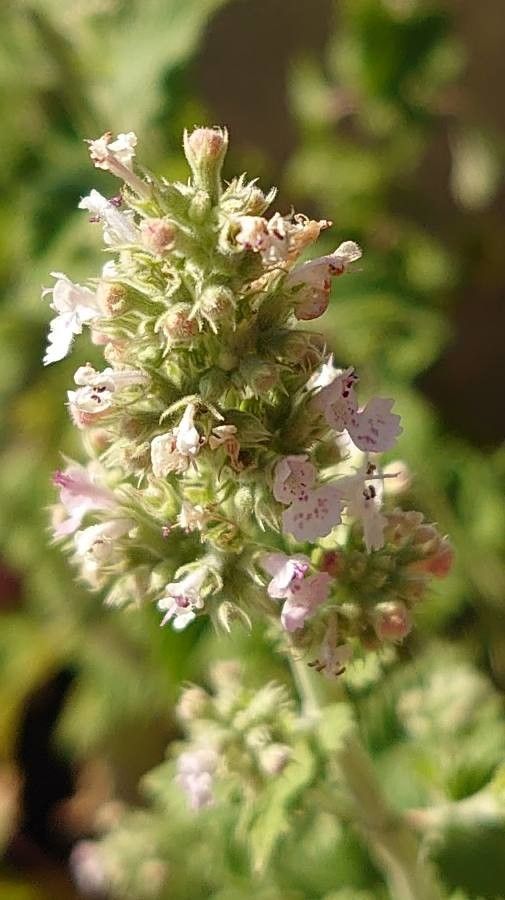
- Catnip (Nepeta cataria) — Contains nepetalactone, which research shows repels aphids as effectively as DEET repels mosquitoes.
- Lavender (Lavandula spp.) — Repels aphids while attracting pollinators — a double win.
Trap Crops (Sacrificial Strategy)
- Nasturtiums — Aphids love nasturtiums more than almost any vegetable. Plant them at the garden perimeter to draw aphids away from your crops. When heavily infested, remove and compost the nasturtiums.
- Sunflowers — Act as aphid magnets, pulling them away from nearby plants while also attracting ladybugs.
Tendra's community feature connects you with local gardeners who can share region-specific companion planting advice — what works in Portland may differ from what thrives in Phoenix. We'll cover companion planting in much greater depth in an upcoming dedicated guide, so stay tuned.
7. Reflective Mulch: The Surprising High-Tech Solution
Here's a method most gardeners have never heard of: reflective mulch. Laying silver or aluminum-colored reflective material around the base of plants confuses aphids' navigation. Aphids use the contrast between sky (bright) and ground (dark) to orient themselves for landing. Reflective mulch disrupts this by bouncing light upward, making it difficult for winged aphids to locate your plants.
How to Use Reflective Mulch
- Purchase reflective plastic mulch or aluminum-coated fabric from garden supply stores
- Lay it around the base of susceptible plants, securing edges with soil or stakes
- Alternatively, use aluminum foil in a pinch (less durable but works for small areas)
- Most effective for low-growing crops: peppers, squash, tomatoes, lettuce
- Bonus: increases light exposure to lower leaves, improving photosynthesis by up to 10-15%
University of Florida research demonstrated that reflective mulch reduced aphid populations by 50-70% in pepper and tomato plantings. It also reduces the transmission of aphid-borne viruses, which is critical for crops like squash and cucumbers that are vulnerable to mosaic viruses.
8. Diatomaceous Earth: The Microscopic Barrier
Food-grade diatomaceous earth (DE) is made from fossilized diatoms — microscopic algae with razor-sharp edges. When aphids crawl through DE, it damages their exoskeleton and causes fatal dehydration. It's a purely physical mode of action, meaning aphids can never develop resistance to it.
How to Apply Diatomaceous Earth
- Use only food-grade DE (not pool-grade, which is chemically treated)
- Dust a thin layer on plant leaves, stems, and surrounding soil using a powder duster or old sock
- Apply when plants are dry — DE loses effectiveness when wet
- Reapply after rain or heavy watering
- Wear a dust mask during application (the fine particles can irritate lungs)
Critical note: DE is non-selective — it will also harm beneficial insects that crawl through it, including ladybugs and ground beetles. Use it as a targeted spot treatment rather than a blanket application, and avoid applying it to flowers where pollinators are active.
🐜 The Ant-Aphid Connection: Why You Need to Deal With Both

Here's something most gardening guides skim over: ants actively farm aphids. This isn't a metaphor — it's a genuine mutualistic relationship that makes your aphid problem dramatically worse. Aphids secrete honeydew, a sugar-rich liquid that ants feed on. In return, ants provide aphids with astonishing services:
- Bodyguards: Ants aggressively attack ladybugs, lacewings, and parasitic wasps that try to eat aphids
- Transportation: Ants physically carry aphids to fresh, healthy plant tissue when the current feeding site deteriorates
- Shelter: Some ant species build soil shelters over aphid colonies to protect them from weather and predators
- Winter storage: Certain ants bring aphid eggs into their nests over winter and place them on fresh roots in spring
This means that if you release ladybugs but don't address the ant population, the ants will literally fight off your beneficial insects. To break this cycle:
- Apply sticky barriers (like Tanglefoot) around the base of tree trunks and raised bed edges to prevent ants from reaching aphid colonies
- Use diatomaceous earth around plant bases to create an ant barrier
- Disrupt ant trails with cinnamon, citrus peels, or white vinegar sprayed along their paths
- Address ant nests near the garden — pour boiling water on mounds or use borax-based bait stations
⚠️ When to Call It Quits: Knowing When the Battle Is Lost
Sometimes, despite your best efforts, an aphid infestation overwhelms a plant beyond saving. Knowing when to cut your losses protects the rest of your garden. Consider removing a plant entirely if:
- Leaves are more than 50% curled, yellowed, or covered in sooty mold
- New growth is severely distorted and the plant hasn't recovered after 2-3 weeks of treatment
- You see signs of viral infection — mosaic patterns, mottled coloring, or extreme stunting (aphids transmit plant viruses that have no cure)
- The infestation is spreading to neighboring healthy plants despite treatment
If you need to remove a plant, bag it and dispose of it in yard waste — do not compost it. Composting infested material can reintroduce aphids and viruses into your garden. Snap a photo with Tendra's AI diagnosis tool first to confirm whether you're dealing with aphid damage, disease, or another issue before making the call.
Prevention: Keeping Aphids From Coming Back
The best aphid strategy is making your garden unwelcoming to them in the first place. Here's a seasonal prevention checklist:
Spring (March-May)
- Inspect new transplants and nursery plants carefully before introducing them to your garden
- Plant companion herbs and flowers as outlined above
- Install reflective mulch around high-value crops early
- Avoid over-fertilizing with nitrogen — lush, tender new growth is an aphid magnet
Summer (June-August)
- Monitor weekly — check undersides of leaves, especially on roses, peppers, and brassicas
- Maintain healthy beneficial insect populations by avoiding broad-spectrum insecticides
- Keep plants well-watered and healthy (stressed plants attract more pests)
- Apply preventive neem oil every 2 weeks on susceptible varieties
Fall-Winter (September-February)
- Clean up garden debris where aphid eggs overwinter
- Remove weeds that serve as alternate hosts (especially in the Brassicaceae family)
- Prune overcrowded branches to improve airflow (dense canopy = aphid paradise)
- Plan next season's companion planting layout
Real Talk: Sam from San Diego's Aphid Battle
Sam, a home gardener in San Diego, nearly lost his entire raised bed of heirloom tomatoes to a woolly aphid infestation last spring. "I noticed ants marching up and down the stems first," he recounted. "I didn't think anything of it until every leaf was sticky and curling." After identifying the problem using Tendra's AI pest diagnosis, Sam started with a soapy water spray to knock down the population, applied neem oil weekly, and planted marigolds and basil around his beds. The real breakthrough? "Dealing with the ants," he said. "Once I put sticky barriers on the raised bed walls, the ladybugs I released actually stuck around instead of getting chased off. Within three weeks, the aphids were gone."
Sam's experience highlights a key principle: layered defense works best. No single method is a silver bullet, but combining fast-acting sprays with biological control and prevention creates a system that's resilient against reinfestation.
Take Control of Your Garden's Health
Aphids are persistent, but they're far from invincible. By understanding their biology — including that critical ant-farming relationship — and applying the right combination of these 8 methods, you can manage them without reaching for synthetic chemicals. Start with the fastest method that matches your situation, layer in biological controls for sustainability, and build prevention into your garden design.
Not sure what's eating your plants? Snap a photo and let Tendra's AI pest and disease diagnosis identify the culprit instantly. From aphids to fungal infections, get a clear answer in seconds — plus treatment recommendations tailored to your specific plants and growing zone. Discover smarter pest management with Tendra — where local gardeners connect and thrive.