If you've ever abandoned a perfectly good evening on the patio because mosquitoes turned your backyard into an all-you-can-eat buffet, you're not alone. The good news? Your garden itself can fight back. Dozens of mosquito repellent plants produce volatile oils that mosquitoes find deeply offensive — and many of them are gorgeous, fragrant, or edible (sometimes all three). By weaving these natural mosquito deterrents into your beds, borders, and containers, you can reclaim your outdoor spaces without reaching for a can of chemicals.
Below you'll find 12 plants that repel mosquitoes, complete with the science behind why they work, USDA hardiness zones, and practical care tips so you can build your own mosquito repelling garden this season.
How Do Mosquito Repellent Plants Actually Work?
Most plants that repel mosquitoes produce volatile organic compounds — essential oils like citronellal, geraniol, linalool, and nepetalactone — that interfere with the insects' ability to locate a host. Some of these compounds mask the carbon dioxide and lactic acid trails that lead mosquitoes to your skin. Others directly irritate mosquito chemoreceptors, sending them in the opposite direction.
There's a catch, though: plants don't broadcast repellent like a plug-in device. The oils are stored in leaves, stems, and flowers. To maximize their effect, position them where you'll brush against them — along walkway edges, in patio containers at elbow height, or near seating areas where the breeze carries their scent. Crushing a leaf between your fingers before you sit down releases a burst of volatile oil that can keep your immediate airspace clearer for 20 to 30 minutes.
The Fragrant Powerhouses: Lavender, Rosemary, and Basil

1. Lavender
Lavandula angustifolia · Zones 5–9
Lavender's linalool content — the same compound that makes it a staple in calming aromatherapy — is a proven mosquito repellent. A 2019 study in the Journal of Vector Ecology found linalool-based formulations repelled Aedes aegypti mosquitoes at rates comparable to low-concentration DEET. Plant lavender in full sun with fast-draining, slightly alkaline soil. It hates wet feet, so raised beds or gravel mulch work best. Once established, lavender is remarkably drought-tolerant, needing water only every 10 to 14 days in summer. Prune spent flower stalks to encourage a second flush and keep the plant compact. For a deep dive on varieties and pruning timing, check out our complete lavender growing guide.
2. Rosemary
Salvia rosmarinus · Zones 7–10 (annual or overwintered indoors elsewhere)
Rosemary's woodsy, piney aroma comes from camphor, 1,8-cineole, and alpha-pinene — all shown to deter mosquitoes. In warmer zones it grows into a handsome 3- to 5-foot (0.9–1.5 m) evergreen shrub that doubles as a cooking staple. Plant it in lean, well-drained soil in full sun. Over-fertilizing produces leggy growth with weaker essential oil concentration, so skip the rich compost for this one. If you're in zone 6 or colder, grow rosemary in a large pot and bring it inside before the first frost. One of the best uses: toss a few sprigs directly on the coals during a summer barbecue. The smoke carries the essential oils across your patio like a natural mosquito deterrent fog machine.
3. Basil
Ocimum basilicum · Annual in all zones (perennial in zones 10–11)
Here's something unusual about basil: unlike most plants on this list, its leaves emit volatile compounds without being crushed. Research published in the Journal of Agricultural and Food Chemistry confirmed that compounds like estragole and citronellol in basil essential oil are toxic to mosquito larvae and repellent to adults. African blue basil and lemon basil tend to have the highest concentration of mosquito-repelling oils. Plant basil in rich, moist soil with at least 6 hours of direct sun. Pinch flower buds to keep the plant bushy and productive. If you're growing herbs from seed this season, basil is one of the easiest — our guide to starting 12 herbs from seed covers germination timelines and container sizing.
The Citrus Brigade: Citronella Grass, Lemongrass, and Lemon Balm
4. Citronella Grass
Cymbopogon nardus · Zones 9–11 (annual elsewhere)
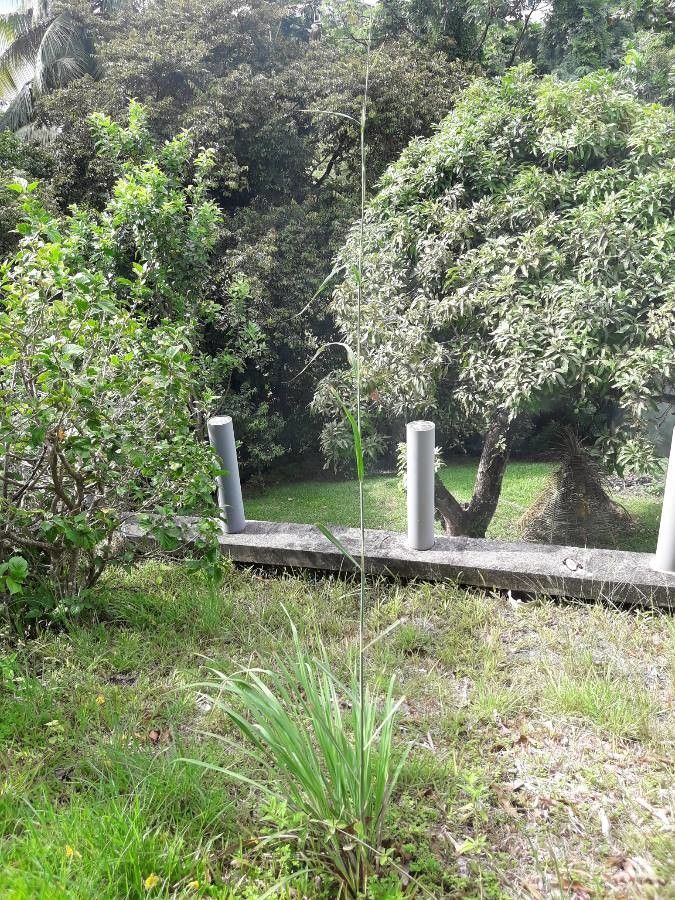
Citronella grass is the original natural mosquito deterrent — the plant behind those familiar citronella candles. Its leaves contain citronellal and geraniol in concentrations of up to 3% by weight. The live plant is dramatically more effective than any candle because it continuously releases fresh volatile oils, especially when leaves sway in the wind. Grow it in full sun in fertile, well-drained soil. In tropical and subtropical zones, it forms dense clumps 5 to 6 feet (1.5–1.8 m) tall. In cooler climates, plant it in large containers and overwinter indoors near a bright window. A word of caution: many nurseries sell scented geraniums labeled "citronella plant" — they're pleasant but not the real thing. The true citronella grass has long, blade-like leaves and a distinctly lemony scent when torn.
5. Lemongrass
Cymbopogon citratus · Zones 9–11 (annual elsewhere)
A close relative of citronella grass, lemongrass contains citral as its primary volatile compound, which studies show is both a mosquito repellent and a larvicide. It's also the base ingredient in Thai cooking, so your mosquito repelling garden doubles as a culinary resource. Plant in full sun with rich, consistently moist soil — lemongrass is a hungry, thirsty grass that rewards heavy feeding. In cool climates, container culture works brilliantly. Cut stalks to 3 inches (7.5 cm) above the soil line in fall, pot them up, and keep them in a cool, bright spot through winter. They'll resprout vigorously in spring.
6. Lemon Balm
Melissa officinalis · Zones 3–7
Lemon balm packs a citronellal punch rivaling true citronella grass — but in a plant hardy down to zone 3, making it ideal for northern gardeners who can't overwinter tropical grasses. Its spreading, mint-like habit means it fills containers and borders fast. Almost too fast: plant lemon balm in pots or a contained bed unless you want it colonizing your entire yard. Give it partial to full sun and average soil. It's one of the most forgiving herbs you can grow — it tolerates poor soil, partial shade, and inconsistent watering. Crush a handful of leaves and rub them on exposed skin for a quick, fragrant mosquito shield while you garden.
 Terracotta pots with tall grassy plants and leafy herbs on a sunny patio" width="800" loading="lazy">
The Mint Family: Catnip, Peppermint, and Scented Geraniums
7. Catnip
Nepeta cataria · Zones 3–7
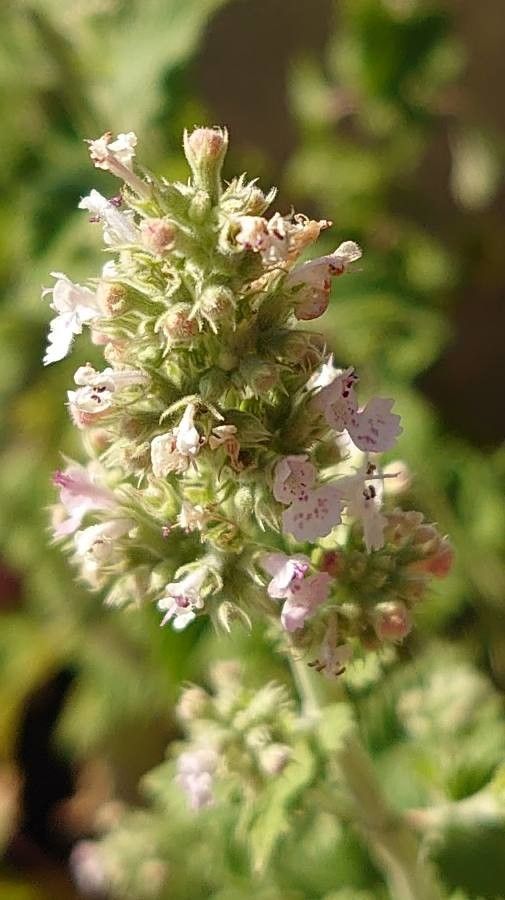
Catnip might be the most underrated mosquito repellent plant alive. A widely cited Iowa State University study found that nepetalactone, the compound responsible for the feline frenzy, repelled mosquitoes roughly 10 times more effectively than DEET in a laboratory diffuser test. In the garden, catnip is an aggressively easy perennial. Full sun to part shade, average to poor soil — it doesn't care. It spreads by both runners and self-seeding, so plant it where its enthusiasm won't be a problem, or contain it in pots. Fair warning: if neighborhood cats frequent your yard, they'll find it and roll in it. That actually helps your cause — all that rolling crushes the leaves and releases more nepetalactone into the air.
8. Peppermint
Mentha × piperita · Zones 3–11
Peppermint's menthol and pulegone are potent insect repellents. Research in Bioresource Technology found peppermint oil killed mosquito larvae within 24 hours at low concentrations. Like all mints, peppermint is an aggressive spreader — always grow it in containers or sunken pots to prevent it from overtaking your beds. Full sun to partial shade, consistently moist soil. Harvest frequently; regular cutting keeps the plant dense and productive. Tuck pots of peppermint around patio furniture and near doorways for a constant aromatic barrier. Bonus: you'll have a permanent supply for mojitos and tea.
9. Scented Geraniums
Pelargonium citrosum and other cultivars · Zones 9–11 (annual or overwintered elsewhere)
Often marketed as "mosquito plants" or "citronella geraniums," scented geraniums contain citronellol and geraniol — legitimate mosquito-repelling compounds. They won't clear a yard on their own, but tucked into patio containers at knee and elbow height, they meaningfully reduce the mosquito presence in your immediate area. Plant in well-drained soil in full sun. They're excellent container plants because they prefer to stay slightly root-bound, which concentrates their essential oil production. Lemon-scented and rose-scented varieties tend to be the most effective against mosquitoes. Pinch stems regularly to encourage bushy, fragrant growth.
The Garden Workhorses: Marigolds, Chrysanthemums, and Allium

10. Marigolds
Tagetes erecta and T. patula · Annual in all zones
Marigolds contain pyrethrum, the naturally occurring compound used in many commercial insecticides. They also produce limonene and alpha-terthienyl, both demonstrated mosquito repellents. Plant them densely along walkway borders, around vegetable beds, and in window boxes near entrances. They love full sun and tolerate heat, drought, and poor soil — which is why you see them in practically every community garden. French marigolds (T. patula) stay compact at 6 to 12 inches (15–30 cm), perfect for borders and containers. African marigolds (T. erecta) reach 2 to 3 feet (60–90 cm) and create a dramatic mosquito-repelling wall behind lower plantings. Deadhead spent blooms to keep flowers — and their volatile oils — coming all season.
11. Chrysanthemums
Chrysanthemum cinerariifolium · Zones 5–9
Chrysanthemums are the original source of pyrethrin, the most widely used botanical insecticide on the planet. The compound attacks mosquitoes' nervous systems on contact. While most garden mums are bred for flower size rather than pyrethrin content, C. cinerariifolium (the Dalmatian chrysanthemum) retains the highest concentration. Plant in full sun with rich, well-drained soil. They need regular watering but hate soggy conditions — sound familiar? That's a common thread among plants that repel mosquitoes; they tend to produce more essential oils under moderate stress. Pinch growing tips in spring to encourage branching and more flower heads.
12. Allium
Allium giganteum, A. schoenoprasum, and other species · Zones 3–9
The allium family — ornamental onions, garlic, chives — repels mosquitoes through sulfur compounds that the insects find repulsive. Giant allium (A. giganteum) produces spectacular purple globe flowers atop 4-foot (1.2 m) stems, making it as ornamental as it is functional. Chives (A. schoenoprasum) are the hardier, more compact option, forming dense edible clumps in zones 3 through 9. Plant allium bulbs in fall in full sun and well-drained soil. They're virtually maintenance-free once established — no staking, no spraying, no fussing. Interplant them throughout your borders for both visual drama and a sulfurous invisible fence that mosquitoes won't cross. They're also excellent companions for roses, tomatoes, and many vegetables — for more on strategic plant partnerships, see our planting guide for companion strategies.
Building Your Mosquito Repelling Garden: Layout Tips
A single pot of basil won't transform your yard. The key to an effective natural mosquito deterrent strategy is layering — combining multiple plants that repel mosquitoes at different heights and in different zones across your outdoor living space.
- Perimeter defense: Plant tall citronella grass, lemongrass, or allium along the edges of your yard or patio to create a fragrant barrier.
- Mid-level screen: Use rosemary, chrysanthemums, and African marigolds as a 2- to 3-foot (60–90 cm) aromatic hedge around seating areas.
- Table-level containers: Position pots of scented geraniums, basil, and peppermint at the height where you actually sit and breathe.
- Ground cover: Let lemon balm and catnip fill in low gaps in borders, releasing volatile oils whenever they're brushed by feet or a passing breeze.
- Entry points: Flank doors, gates, and pathways with lavender and French marigolds to create fragrant thresholds mosquitoes prefer to avoid.
This layered approach mimics how professional landscapers design pest-resistant outdoor spaces. It also creates a gorgeous, multi-textured garden that smells incredible — a side benefit that's honestly the main reason most people maintain their mosquito repelling garden long-term.
Nick's Rooftop Experiment in Brooklyn
Nick from New York had a mosquito problem that seemed impossible to solve. His Brooklyn rooftop terrace — 400 square feet (37 sq m) of container garden — sat above a ground-level courtyard with standing water he couldn't control. "Every June the mosquitoes were so thick I basically surrendered the terrace from 6 PM onward," he says. In spring of 2025, Nick decided to test the layered approach. He planted lemongrass in two large half-barrel planters as his perimeter, clustered rosemary and scented geraniums in medium pots around his dining table, and tucked peppermint into hanging baskets overhead. "By mid-July, the difference was night and day. I wasn't mosquito-free — you never are in New York — but I could actually eat dinner outside without bathing in DEET." The total cost was about $85 in plants and soil, and Nick added an unexpected bonus to his system: he snapped photos of each plant with Tendra's AI plant identification at the nursery to confirm he was buying true citronella grass rather than the mislabeled geraniums he'd fallen for the year before.
Maximizing Effectiveness: Tips That Actually Matter
- Crush and release: Before guests arrive, walk through your garden and crush a few leaves on each plant to release a burst of essential oils into the air.
- Harvest strategically: Regular harvesting forces new growth, which contains higher concentrations of volatile oils than older, woodier stems.
- Water in the morning: Evening watering creates the moist, warm conditions mosquitoes love for breeding. Morning watering gives soil time to dry by dusk.
- Eliminate standing water: No plant can out-repel a breeding site. Empty saucers, clean gutters, and refresh bird baths every 48 hours.
- Combine with physical barriers: Plants work best as one layer in a multi-pronged approach. Pair them with fans (mosquitoes are weak fliers), screens, and long sleeves during peak dusk-to-dawn hours.
If you're building a mosquito repelling garden for the first time, start with three to four varieties from this list rather than trying to grow all 12 at once. Lavender, basil, marigolds, and lemongrass make an excellent starter quad — they're available at virtually every nursery, easy to care for, and cover the fragrant-herb-plus-flowering-border approach. Use Tendra's AI plant identification to confirm exactly what you're buying at the garden center — especially for citronella grass, which is frequently confused with scented geraniums on nursery shelves.
Your Yard, Your Bug-Free Zone
The 12 plants that repel mosquitoes in this guide aren't magic bullets — but planted strategically, maintained properly, and combined with common-sense mosquito control, they can dramatically reduce the number of bites between you and a peaceful summer evening. They also happen to be some of the most fragrant, beautiful, and useful plants you can grow.
Start small, layer up, and pay attention to which plants thrive in your specific conditions. Every garden is different, and the best mosquito repelling garden is the one you'll actually maintain all season. Discover plant identification and local growing tips with Tendra — where local gardeners connect and thrive.