May Is the Month That Makes or Breaks Your Summer Garden
If March is about planning and April is about starting seeds, then May is when everything gets real. The soil is warm, the frost risk fades, and garden centers overflow with transplants begging to go in the ground. But here's the catch: what to plant in May depends entirely on where you live. A gardener in Minnesota is just thawing out while someone in Texas is already harvesting lettuce.
Whether you're transplanting heat-loving crops outdoors for the first time or direct-sowing fast-growing flowers, this zone-by-zone guide will help you make the most of the month. We'll cover vegetables, flowers, and herbs — organized by USDA Hardiness Zone so you can plant with confidence, not guesswork.
May is also when Tendra's smart care reminders really shine — set planting dates for each crop and get watering and fertilizing nudges tailored to your local weather. No more calendar guesswork.
Understanding Your USDA Hardiness Zone for May Planting
Before you plant a single seed, you need to know your zone. The USDA Hardiness Zone map divides North America into 13 zones based on average minimum winter temperatures. But for May planting, what matters most is your last frost date — the date after which frost is unlikely.
- Zones 3–4: Last frost typically mid-to-late May. You're still cautious.
- Zones 5–6: Last frost early-to-mid May. Prime transplanting window.
- Zones 7–8: Last frost in April. May is full-speed planting.
- Zones 9–10: Frost-free since February. May means managing heat, not cold.
Not sure which zone you're in? Tendra's AI can identify your zone based on your location and recommend crops that thrive in your specific climate — no USDA chart required.
What Vegetables to Plant in May (By Zone)

Zones 3–4 (Northern US, Upper Midwest, Mountain West)
Your growing season is short, so every day counts. In early May, continue hardening off seedlings started indoors. By mid-to-late May — once soil temperatures hit 60°F (16°C) — you can finally move warm-season crops outside.
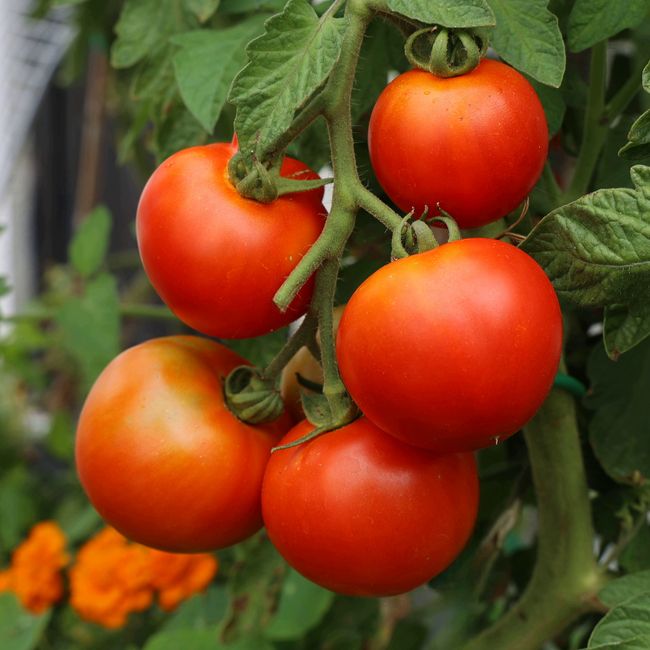
- Transplant outdoors (after last frost): Tomatoes (Solanum lycopersicum), peppers (Capsicum annuum), eggplant, broccoli, cabbage, cauliflower
- Direct sow: Beans, carrots, beets, radishes, lettuce, spinach, peas (early May), sweet corn (late May), cucumbers, squash
- Pro tip: Use black plastic mulch or row covers to warm the soil 5–10°F (3–6°C) faster. Every degree matters this far north.
Zones 5–6 (Mid-Atlantic, Midwest, Pacific Northwest)
This is your sweet spot. Soil is warm, nights are mild, and you have months of growing season ahead. May is when the garden really comes alive.
- Transplant outdoors: Tomatoes, peppers, eggplant, cucumbers, melons, squash (all after last frost, typically early May)
- Direct sow: Beans (bush and pole), sweet corn, cucumbers, summer squash, zucchini, okra, watermelon, cantaloupe
- Succession plant: Lettuce, radishes, and spinach every two weeks for continuous harvest through June
- Don't forget: Sweet potatoes — they love warm soil and need a long season. May is your last good window to get slips in the ground.
Zones 7–8 (Southeast, Southern Plains, Northern California)
You've been planting since March, so May is less about starting and more about filling gaps and extending your harvest.
- Transplant: A second round of tomatoes and peppers for fall harvest (yes, already thinking ahead)
- Direct sow: Southern peas (black-eyed peas, cowpeas), okra (Abelmoschus esculentus), Lima beans, sweet potatoes, watermelon, cantaloupe
- Watch for: Heat stress on cool-season crops. Pull bolting lettuce and replace with heat-tolerant varieties like Jericho or Muir.
- Surprise crop: Yard-long beans (Vigna unguiculata subsp. sesquipedalis) — they thrive in heat and produce prolifically from June through September.
Zones 9–10 (Deep South, Desert Southwest, Southern California, Florida)
May brings serious heat. Focus on crops that laugh at 90°F (32°C) days.
- Plant now: Sweet potatoes, okra, southern peas, Malabar spinach (Basella alba), yard-long beans, Armenian cucumbers
- Tropical options: This is your window for dragon fruit cuttings, papaya transplants, and tropical herbs like lemongrass and Thai basil
- Avoid: Don't waste time on cool-season crops — lettuce, spinach, peas, and broccoli will bolt or burn within days
- Shade strategy: Use 30–50% shade cloth over tender transplants to prevent sunscald during the hottest afternoon hours
What Flowers to Plant in May

May is the best month of the year to plant flowers — both annuals and perennials. Soil is warm enough for root establishment, and plants have the entire growing season to mature. Here's what to plant by type:
Annual Flowers (All Zones After Last Frost)
- Zinnias (Zinnia elegans) — Direct sow seeds, germinate in 5–7 days. The easiest summer cut flower, available in every color except blue. Plant 4–6 inches (10–15 cm) apart.
- Marigolds (Tagetes) — Transplant or direct sow. Excellent pest deterrent when planted near vegetables. French marigolds repel whiteflies and nematodes.
- Cosmos (Cosmos bipinnatus) — Direct sow in poor-to-average soil. They actually bloom better when NOT fertilized. Perfect for pollinator gardens.
- Sunflowers (Helianthus annuus) — Direct sow 1 inch (2.5 cm) deep after all frost danger. Succession plant every 2 weeks for blooms from July through October.
- Celosia, petunias, lantana, portulaca — All safe to plant from nursery starts once nighttime temperatures stay above 50°F (10°C).
Perennial Flowers to Plant in May
- Echinacea (Echinacea purpurea) — Plant divisions or nursery plants. Drought-tolerant once established. Blooms first summer if planted early May.
- Black-eyed Susans (Rudbeckia hirta) — Native wildflower, thrives in nearly any soil. Great for naturalized borders.
- Daylilies (Hemerocallis) — Nearly indestructible. Plant divisions 18–24 inches (45–60 cm) apart. Over 80,000 registered cultivars exist.
- Salvia (Salvia nemorosa) — Pollinator magnet. Blooms May through September in most zones with regular deadheading.
Summer Bulbs and Tubers
- Dahlias — Plant tubers 4–6 inches (10–15 cm) deep after last frost. Stake tall varieties at planting time.
- Gladiolus — Plant corms every 2 weeks for staggered blooms. 4 inches (10 cm) deep, 6 inches (15 cm) apart.
- Cannas and caladiums — Tropical drama for zones 7+ (or dig up in fall in colder zones).
What Herbs to Plant in May

Herbs are the unsung heroes of the May garden. They're fast-growing, space-efficient, and most tolerate a wide range of conditions. Here's what to plant now:
Warm-Season Herbs (Plant After Last Frost)
- Basil (Ocimum basilicum) — The #1 summer herb. Wait until nighttime temps are reliably above 50°F (10°C). Pinch flower buds to extend leaf production.
- Cilantro (Coriandrum sativum) — Direct sow every 3 weeks for continuous harvest. Bolts quickly in heat, so start early in May. In zones 8+, switch to slow-bolt varieties like 'Calypso.'
- Dill (Anethum graveolens) — Direct sow near cucumbers (great companion). Self-seeds aggressively — plant it where you want it to return.
Hardy Herbs (Plant Anytime in May)
- Rosemary (Salvia rosmarinus) — Perennial in zones 7+. Needs excellent drainage. Plant in full sun, 2–3 feet (60–90 cm) apart.
- Thyme (Thymus vulgaris) — Perennial ground cover herb. Drought-tolerant once established. Creeping varieties make beautiful pathway edging.
- Oregano, chives, sage, mint — All perennial, all happy to go in the ground in May. Contain mint in a pot unless you want it everywhere.
5 May Planting Tips That Make a Real Difference
- Check soil temperature, not just air temperature. A cheap soil thermometer (under $10) saves you from planting too early. Tomatoes want 60°F (16°C) minimum; peppers prefer 65°F (18°C).
- Harden off transplants properly. Don't skip this step. Move indoor-started plants outside for 1–2 hours on day one, increasing daily over 7–10 days. Skipping hardening off is the #1 reason transplants fail in May.
- Water deeply at planting, then back off. Soak the root zone at transplanting, then let the top inch (2.5 cm) dry between waterings. This encourages deep root growth instead of shallow, drought-prone roots.
- Mulch everything. 2–3 inches (5–8 cm) of straw, wood chips, or shredded leaves. Mulch reduces watering by 25–50%, suppresses weeds, and keeps soil temperatures stable.
- Use Tendra's smart reminders. Set your planting dates in the app and get personalized watering and fertilizing schedules based on your local weather — no spreadsheets or wall calendars needed.
What NOT to Plant in May (Common Mistakes)
Just as important as knowing what to plant is knowing what to skip:
- Cool-season crops in warm zones (8+): Lettuce, spinach, peas, and broccoli will bolt within days once temperatures hit 80°F (27°C). Save these for fall planting in September.
- Frost-tender plants before your last frost date: One late frost can kill an entire flat of tomato transplants overnight. Check your zone's date and add a 1-week safety buffer.
- Too many of one crop: Unless you're canning or selling, 12 zucchini plants is a neighborhood social experiment, not a garden. Two plants produce more than most families can eat.
Sarah's May Garden Transformation
Sarah from Portland moved into a new house with a bare backyard last April. By May 1st, she'd built two raised beds (8×4 feet / 2.4×1.2 meters each) and was ready to plant — but overwhelmed by options. She used Tendra's AI plant identification to scan plants at her local nursery, checking care requirements and zone compatibility before buying. Her May planting list: 6 tomato plants, 4 peppers, 2 cucumber vines, a row of bush beans, and borders of zinnias and marigolds.
By mid-July, she was harvesting more vegetables than her family could eat. The zinnias attracted so many pollinators that her cucumber and squash yields doubled compared to her neighbor's un-flowered beds. "I didn't know what I was doing," Sarah says, "but planting the right things at the right time made me look like a pro."
Your May Planting Checklist
May rewards decisive action. The gardeners who plant on time harvest all summer — and the ones who wait "just one more week" end up months behind. Here's your quick-reference checklist:
- ✅ Know your USDA zone and last frost date
- ✅ Harden off all indoor-started transplants (7–10 days)
- ✅ Check soil temperature before planting warm-season crops
- ✅ Plant tomatoes, peppers, cucumbers, squash, and beans after last frost
- ✅ Direct sow zinnias, sunflowers, cosmos, and marigolds
- ✅ Get basil, cilantro, and dill in the ground
- ✅ Mulch everything 2–3 inches deep
- ✅ Set up watering schedule (deep and infrequent beats shallow and daily)
Ready to make this your best growing season yet? Discover personalized planting schedules and smart care reminders with Tendra — where local gardeners connect and thrive.