July might feel like the season for kicking back with iced tea and watching your garden do its thing — but if you want to know what to plant in July, the answer is: more than you'd think. While your tomatoes are ripening and your first zucchini harvest is piling up, there's still a solid window for sowing fast-maturing crops, starting fall transplants indoors, and tucking in a few succession plantings that'll keep your kitchen stocked through September and beyond.
The trick is knowing your zone, picking varieties that can handle the heat, and working with July's longer days rather than against them. Whether you're in the humid Southeast, the arid Southwest, or somewhere in between, this july planting guide breaks down exactly what goes in the ground now — and what to save for later.

What to Plant in July: A Zone-by-Zone Breakdown
Not every garden gets the same July. A gardener in Zone 4 is dealing with a radically different climate than someone in Zone 9 — and what you can still plant hinges almost entirely on your first expected frost date. Here's how to think about late summer planting by region.
Zones 3–4 (Northern Tier: Minnesota, Montana, Maine)
Your frost-free window closes fast — often by mid-September. July is your last real chance for direct-sowing anything. Focus on fast crops with short days-to-maturity:
- Radishes (25–30 days) — the ultimate "there's still time" crop
- Lettuce and spinach — bolt-resistant varieties like 'Jericho' or 'Bloomsdale Long Standing'
- Bush beans (50–55 days) — sow by July 10th at the latest
- Peas — try a fall crop; they prefer cooler temps anyway
- Cilantro and dill — both appreciate the gradually shortening days
Zones 5–6 (Mid-Atlantic, Midwest, Pacific Northwest)
You've got breathing room through early October. July is prime time for a second wave:
- Bush beans, cucumbers, and summer squash — direct sow through mid-July
- Beets and carrots — sow now for fall harvest; they sweeten with cooler temps
- Kale, collards, and Swiss chard — direct sow or transplant
- Fall broccoli and cauliflower — start seedlings indoors now for August transplanting
- Turnips and rutabaga — underrated fall crops that love cool weather
Zones 7–8 (Southeast, Southern Plains, Coastal Mid-Atlantic)
Heat is your challenge, not cold. Your fall garden starts now, but everything goes in after the worst of summer peaks:
- Southern peas (cowpeas) — Vigna unguiculata thrives in heat that would melt a snap pea
- Okra — Abelmoschus esculentus is practically made for July planting in the South
- Sweet potatoes — still time for slips if you plant by mid-July
- Fall tomato transplants — Zones 8+ can plant a second tomato crop now
- Start brassica seedlings indoors — broccoli, cabbage, and cauliflower for September transplanting
Zones 9–10 (Deep South, Desert Southwest, Southern California)
July is survival mode for most plants, but you can still work around the heat:
- Armenian cucumbers — heat-tolerant and productive when regular cucumbers quit
- Malabar spinach — Basella alba, a heat-loving vine that produces all summer
- Yard-long beans — Vigna unguiculata subsp. sesquipedalis, thriving in 100°F+ (38°C+) heat
- Start fall/winter garden seedlings indoors — tomatoes, peppers, eggplant for September planting
- Herbs — basil, rosemary, and Mexican oregano handle the heat
If you missed our earlier guides, check out what to plant in June and what to plant in May for context on what should already be established in your garden.
Fast-Maturing Crops You Can Still Plant in July
This is where late summer planting really shines. These crops go from seed to harvest in 45–65 days, meaning anything you sow in the first two weeks of July will be producing before the season shifts. Think of them as your garden's second act.
Bush Beans
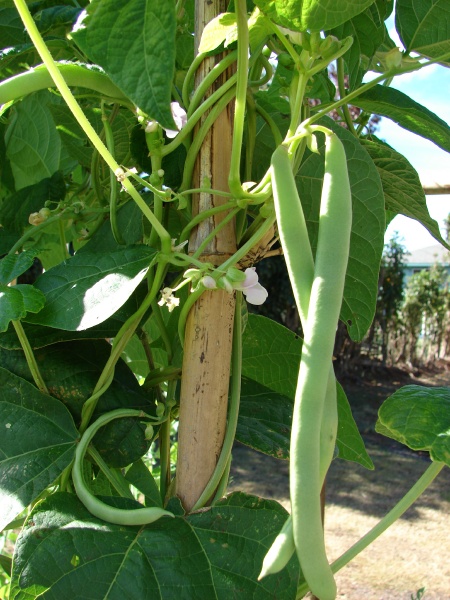
Bush beans (Phaseolus vulgaris) are the MVP of July planting. Varieties like 'Provider,' 'Contender,' and 'Blue Lake 274' mature in 50–55 days, need zero trellising, and produce heavily for about three weeks. Direct sow seeds 1 inch (2.5 cm) deep, spaced 3 inches (7.5 cm) apart in rows 18 inches (45 cm) apart.
A pro tip: inoculate your bean seeds with rhizobium bacteria before planting. These nitrogen-fixing bacteria form nodules on bean roots that pull nitrogen straight from the atmosphere into your soil — free fertilizer for whatever you plant in that bed next.

Cucumbers
Cucumbers (Cucumis sativus) germinate fast in warm soil and can produce fruit in as little as 48 days for compact varieties like 'Spacemaster' or 'Salad Bush.' The key in July is consistent moisture — cucumbers are 95% water, and they'll turn bitter in a heartbeat if they get stressed. Mulch heavily (3–4 inches / 7.5–10 cm of straw or shredded leaves) and water deeply every 2–3 days.
If you're in Zones 7+ and your spring cucumbers are fading from cucumber beetle pressure, a July replanting can actually dodge the worst pest cycle. The beetles' first generation has often peaked by mid-July, giving your new plants a cleaner start.
Summer Squash and Zucchini
Here's a fact that surprises a lot of gardeners: your spring-planted zucchini (Cucurbita pepo) is probably getting tired by now. Squash vine borers, powdery mildew, and general exhaustion take their toll. A fresh July planting — especially of resistant varieties like 'Dunja' or 'Partenon' — will outperform those struggling spring plants by August.
Direct sow 2–3 seeds per hill, 1 inch (2.5 cm) deep, spacing hills 3–4 feet (90–120 cm) apart. Thin to the strongest seedling. In hot climates, provide afternoon shade with a temporary shade cloth or by planting on the east side of taller crops like corn or pole beans. For a deep dive, see our complete guide to growing squash.

Start Your Fall Garden Now: Crops to Seed Indoors in July
Here's what separates gardeners who harvest into November from those whose gardens go quiet in September: starting fall transplants in July. Brassicas — the whole cabbage family — need 8–12 weeks to mature, which means seedlings started indoors right now will be ready to transplant into the garden in late August or early September, perfectly timed for cooler fall weather.
Broccoli
Broccoli (Brassica oleracea var. italica) is actually a better fall crop than a spring one. It develops tighter, sweeter heads in cool weather, and a light frost actually improves the flavor. Start seeds indoors in cell trays or 3-inch (7.5 cm) pots. Use a quality seed starting mix, keep soil moist, and provide bright light — a south-facing window or simple shop light works fine. Seedlings will be transplant-ready in 4–6 weeks.
Recommended varieties for fall: 'Waltham 29' (classic, cold-hardy), 'Belstar' (hybrid, excellent side shoot production), and 'De Cicco' (Italian heirloom, prolific side shoots after main head harvest).
Cabbage
Cabbage (Brassica oleracea var. capitata) follows the same indoor-start timeline as broccoli. For fall harvest, choose mid-season varieties (70–85 days to maturity) like 'Golden Acre,' 'Copenhagen Market,' or 'Savoy King.' Start seeds 1/4 inch (6 mm) deep in trays, keep them at 65–75°F (18–24°C), and harden off gradually before transplanting.
Kale
Kale (Brassica oleracea var. acephala) is arguably the most cold-hardy vegetable you can grow. In many zones, it'll produce straight through winter with minimal protection. Start 'Lacinato' (dinosaur kale), 'Red Russian,' or 'Winterbor' indoors now. Unlike broccoli and cabbage, you can also direct-sow kale in July — it germinates reliably in warm soil and establishes fast enough to bulk up before frost.

One of Tendra's most underused features is the ability to connect with local gardeners through Twin Plant Mates who are growing the same crops in your zone. If you're starting fall brassicas for the first time, connecting with someone nearby who's done it before can save you weeks of guesswork on transplant timing, variety selection, and pest management in your specific microclimate.
Succession Planting: Keep the Harvests Coming
If you've been reading this blog, you know we're big on succession planting — the practice of sowing the same crop every 2–3 weeks for a continuous harvest instead of one overwhelming glut. July is actually the ideal month to commit to this strategy, because the crops that work best for succession planting are exactly the ones that still have time to mature.
How to Set Up a July Succession Schedule
Here's a practical july planting guide for staggered sowing:
- Week 1 (July 1–7): Sow bush beans, cucumbers, and a row of lettuce (heat-tolerant varieties like 'Muir' or 'Concept')
- Week 2 (July 8–14): Sow more bush beans, plus beets, carrots, and radishes
- Week 3 (July 15–21): Another round of lettuce, plus cilantro, dill, and arugula
- Week 4 (July 22–31): Final bean sowing (Zones 6+), plus turnips and Asian greens like bok choy and tatsoi
The key is soil temperature. In July, your soil is warm enough (above 60°F / 15°C) for rapid germination, so seeds pop up in days rather than the weeks they'd take in cool spring soil. This actually works in your favor — a bean seed sown in July will often catch up to one sown in May within a few weeks.

Managing Summer Sowing Challenges
July sowing comes with a few quirks you won't deal with in spring:
- Soil crusting: Hot sun can bake the soil surface into a crust that seedlings can't break through. Cover seeds with a thin layer of vermiculite or compost instead of garden soil, and keep the surface moist with light daily watering until germination.
- Heat stress on seedlings: Newly emerged seedlings can scorch in full July sun. Use shade cloth (30–50% shade rating) for the first 7–10 days, or sow on the east side of taller crops.
- Faster drying: Summer evaporation is no joke. Mulch immediately after seedlings are 2 inches (5 cm) tall, and consider drip irrigation on a timer if you're not already using it.
- Pest pressure: Flea beetles, aphids, and cabbage moths are active. Lightweight row cover (Agribon AG-15) over new plantings provides protection without trapping too much heat.
July Flowers: What to Plant for Late-Season Color
Your vegetable beds aren't the only place that deserves attention in July. A few well-chosen flower plantings now will carry your garden's color right into fall — and attract the pollinators your late-season veggies need for good fruit set.

Direct-Sow in July
- Zinnias (Zinnia elegans) — the queen of the cutting garden. Direct sow and you'll have blooms in 60–70 days. They love heat and get better as summer progresses.
- Sunflowers (Helianthus annuus) — shorter varieties like 'Teddy Bear' or 'Sunspot' mature in 55–65 days. Perfect for a fall bloom.
- Cosmos (Cosmos bipinnatus) — scatter seeds in any bare spot. They'll self-sow for years once established.
- Marigolds (Tagetes spp.) — fast, tough, and a proven companion for discouraging certain pests.
Transplant in July
- Mums — nursery transplants planted now will establish roots before fall bloom season
- Black-eyed Susans (Rudbeckia hirta) — tough perennials that handle summer heat
- Lantana — a powerhouse pollinator plant for hot climates
For more options, our guide to annual flowers that bloom all summer covers varieties that pair perfectly with mid-season planting.
What NOT to Plant in July
Knowing what to skip is just as important as knowing what to plant in July. Some crops genuinely won't work when started this late, and planting them is just wasting seed, space, and water.
Skip These (Most Zones)
- Corn — Needs 70–100 days of warm weather AND pollination from a block of plants. Starting now means immature ears at frost.
- Winter squash and pumpkins — Butternut, acorn, and pie pumpkins need 85–120 days. The math doesn't work unless you're in Zone 9+. (Already growing pumpkins? Check our pumpkin growing guide for mid-season care tips.)
- Melons — Watermelons and cantaloupes need sustained heat AND time. A July start won't produce ripe fruit before cold weather in most zones.
- Full-season tomatoes — Starting tomato seeds now is futile in Zones 3–7. The plant won't have time to mature and set fruit. (Exception: Zones 8–10 can transplant a second crop of determinate varieties.)
- Peppers from seed — Like tomatoes, peppers need a long warm season. Transplants from a nursery might work in long-season areas, but seeds started now won't produce.
Zone-Specific Exceptions
A few things on the "skip" list actually work in certain zones:
- Zones 9–10: You can plant tomato and pepper transplants in July for a fall harvest. The heat that kills these plants up north is just Tuesday for gardeners in Phoenix or Miami.
- Zones 8+: Short-season corn varieties (60–65 days) like 'Early Sunglow' can squeak by with a July 1st sowing.
- Zones 7+: Fast-maturing watermelon varieties like 'Sugar Baby' (75 days) planted by July 1st might make it — emphasis on "might."
Sam's July Planting Strategy in San Diego
Sam, a gardener in San Diego (Zone 10a), shared his July approach with the Tendra community last year, and it's a masterclass in working with — not against — summer heat. "I used to think July was downtime," he said. "Now it's my busiest planting month."
His strategy: focus on heat-lovers and fall prep. In early July, he direct-sows yard-long beans, Armenian cucumbers, and Malabar spinach — crops that actually accelerate in triple-digit heat. At the same time, he starts fall tomato seedlings ('Celebrity' and 'Cherokee Purple') under shade cloth on his patio, targeting a late-August transplant date.
"The trick in Zone 10 is that your fall garden is basically a second spring garden," Sam explained. "I start everything in July that most people start in March. By October, I've got tomatoes, peppers, and eggplant producing like crazy while everyone else's garden is going dormant."
Sam also uses Tendra's cultivar database to compare days-to-maturity across varieties, making sure every crop he plants in July has enough time to produce before his climate shifts. It's a small thing, but it's the difference between a productive fall garden and a bed full of immature plants.
Essential July Garden Tasks Beyond Planting
While you're putting new seeds and transplants in the ground, don't neglect the garden you already have. July is a critical maintenance month:
- Mulch everything: If you haven't mulched yet, do it now. A 3–4 inch (7.5–10 cm) layer of straw, wood chips, or shredded leaves reduces soil temperature by up to 10°F (5.5°C) and cuts watering needs by 50%.
- Water deeply, less often: Deep soaking every 3–4 days beats shallow daily watering. Deep roots handle drought better. (Our watering guide covers the science.)
- Harvest daily: Letting zucchini turn into baseball bats or beans go leathery signals the plant to stop producing. Pick early, pick often.
- Side-dress heavy feeders: Tomatoes, peppers, squash, and corn benefit from a mid-season dose of compost or balanced organic fertilizer worked into the soil around the base.
- Scout for pests: Check undersides of leaves for aphid colonies, squash bug eggs (bronze clusters), and tomato hornworm frass. Early intervention beats spraying later.
- Deadhead flowers: Removing spent blooms on zinnias, marigolds, and cosmos triggers another flush of flowers.
Making the Most of What to Plant in July
July planting isn't about starting over — it's about layering in a second wave that extends your season by weeks or even months. The gardeners who harvest the longest aren't necessarily the ones who started earliest; they're the ones who kept planting strategically throughout the summer.
Your action plan for this week: pick 2–3 fast-maturing crops from the list above and get them in the ground. Start a tray of fall brassica seedlings indoors. And take five minutes to look at your existing garden with fresh eyes — every empty spot where a spring crop has finished is an opportunity for something new.
Track your July plantings, compare notes with local gardeners, and find the best varieties for your zone — discover it all with Tendra, where local gardeners connect and thrive.