Planning a bed of annual flowers that bloom all summer isn’t just about grabbing a few petunias and hoping for the best. You need a bloom timeline, sun and shade assignments, and a plan for containers versus in-ground beds if you want nonstop color from April through frost. This guide delivers all of it — twenty proven annuals (plus their Latin names), pollinator bonuses, deadheading instructions, and even a cost-per-season snapshot. We’ll also cover gaps other guides skip, like which annual flowers for pots trail gracefully, which annual flowers full sun can survive triple-digit heat, and how to stagger long blooming annuals so something is always in peak color.

How to Use This Guide for Nonstop Color
This post is organized by sunlight bands (full sun, part shade, full shade), special-use categories (heat lovers, reseeders, cut flowers), and maintenance requirements (deadheading vs. self-cleaning). If you’re still slotting in cool-season crops, pair this plan with our what to plant in April checklist so your annual bed rotations sync with your veggie starts. Pin or screenshot the tables below, then set bloom-time reminders inside Tendra so you know exactly when to pinch, feed, and succession-sow. Tendra’s smart care reminders adjust to your USDA zone and send gentle nudges (“deadhead zinnias this weekend”) before the blooms stall — no spreadsheet required.
Bloom Timeline: Early Jumpstarts to Frost-Defying Finishers
The easiest way to guarantee “annual flowers that bloom all summer” is to layer early, mid, and late performers. Use this quick timeline when you’re balancing trays at the nursery:
| Window | Blooming annuals | Notes |
|---|---|---|
| Early spring (45–60°F / 7–15°C) | Pansies, snapdragons, diascia | Hold color before summer heat. Plant 6 weeks before last frost. |
| Early summer (65–80°F / 18–27°C) | Zinnias, petunias, cosmos, alyssum | Direct sow or transplant once soil hits 60°F / 16°C. |
| Peak summer (80–95°F / 27–35°C) | Lantana, vinca, portulaca, blanket flower | Heat lovers keep blooming when cooler annuals rest. |
| Late summer into frost | Mums, asters, pentas, coleus | Feed lightly in late August for a final flush. |
Slot your selections into those bands and you’ll never face an empty bed. Snapdragons act as your bridge from pansies to zinnias, while mums and coleus carry color even after nights dip below 50°F / 10°C.
The 20 Best Annual Flowers for Season-Long Color (Quick Chart)
Here’s the master grid that pulls together sun exposure, habit, best placement (container vs. bed), deadheading needs, and pollinator notes. Use it to choose the best annual flowers for your beds and pots, then take it shopping.
| # | Flower (Latin name) | Sun exposure | Best placement | Bloom window | Deadheading? | Pollinator + wildlife notes |
|---|---|---|---|---|---|---|
| 1 | Zinnias (Zinnia elegans) | Full sun | Garden beds, cutting rows | Late spring–frost | Yes, weekly | Butterflies flock to single blooms; goldfinches eat seeds. |
| 2 | Marigolds (Tagetes patula/erecta) | Full sun | Edging beds, veggie companions | Late spring–frost | Yes | Deters some root nematodes; feeds hoverflies. |
| 3 | Petunias (Petunia × hybrida) | Full sun | Hanging baskets, border drifts | Late spring–frost | Wave types self-clean | Night pollinators and hummingbirds. |
| 4 | Cosmos (Cosmos bipinnatus) | Full sun | Back of beds, meadow strips | Mid-summer–frost | Yes (light pinch) | Top 3 nectar plant for monarchs in Xerces trials. |
| 5 | Blanket flower (Gaillardia pulchella) | Full sun | Rocky beds, xeric borders | Early summer–frost | Minimal | Native-friendly, supports native bees. |
| 6 | Dwarf sunflowers (Helianthus annuus) | Full sun | Large containers, cutting rows | Mid-summer–early fall | Remove spent heads | Seeds feed finches; bees love wide discs. |
| 7 | Celosia (Celosia argentea) | Full sun | Mixed beds, bouquets | Early summer–frost | Occasional | Provides texture for bouquets; attracts bees. |
| 8 | Calibrachoa (Calibrachoa hybrida) | Full sun | Hanging pots, window boxes | Early summer–frost | No (self-cleaning) | Bees visit tubular blooms; great spillers. |
| 9 | Impatiens (Impatiens walleriana) | Part shade | Mass plantings under trees | Late spring–frost | No | Hummingbirds sip nectar on damp mornings. |
| 10 | Wax begonias (Begonia × semperflorens-cultorum) | Part shade | Formal beds, urns | Late spring–frost | No | Great filler foliage plus blooms for pollinators. |
| 11 | Coleus (Coleus scutellarioides) | Part shade | Containers, shade carpets | All season foliage | Pinch to prevent flowers | Colorful foliage for shade; pinch spikes for fullness. |
| 12 | Fuchsia (Fuchsia magellanica) | Shade | Hanging baskets, porch pots | Late spring–frost | Remove berries | Hummingbird magnet. |
| 13 | Torenia (Torenia fournieri) | Shade | Window boxes, shady borders | Early summer–frost | No | “Clown flower” feeds bees even in deep shade. |
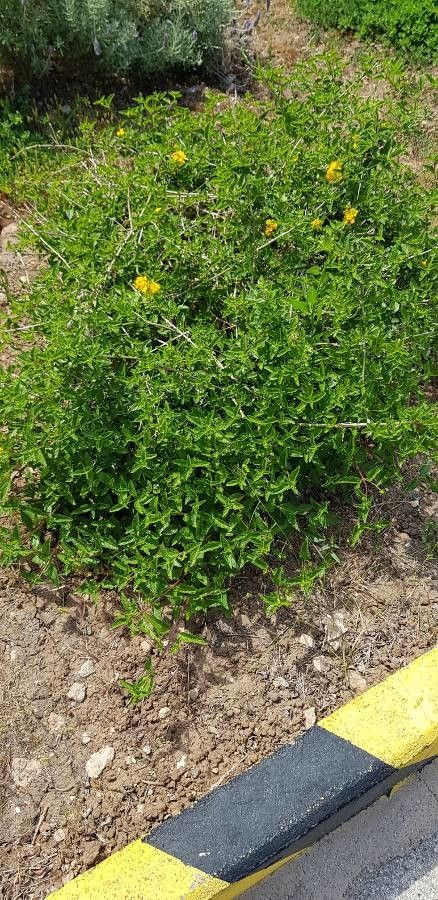
| 14 | Lantana (Lantana camara) | Full sun | In-ground hedges, large pots | Early summer–frost | No | Top butterfly host; heat champion. |
| 15 | Vinca (Catharanthus roseus) | Full sun | Street strips, droughty beds | Early summer–frost | No | Handles reflected heat, resists pests. |
| 16 | Portulaca (Portulaca grandiflora) | Full sun | Rock gardens, shallow bowls | Mid-summer–frost | No | Opens in bright sun; attracts native bees. |
| 17 | Pentas (Pentas lanceolata) | Full sun | Pollinator beds, containers | Early summer–frost | Light shear | Feeds swallowtails and hummingbirds. |
| 18 | Alyssum (Lobularia maritima) | Full sun–part shade | Bed edging, pots | Early spring–late fall | No | Honey fragrance draws hoverflies. |
| 19 | Larkspur (Consolida ajacis) | Full sun | Cottage borders | Late spring–early summer | Cut spent stalks | Self-sows for next year’s stand. |
| 20 | Bachelor buttons (Centaurea cyanus) | Full sun | Wildflower meadows, cutting beds | Late spring–midsummer | Cut for bouquets | Edible petals; reseeds freely. |
Notice how we pair spillers (calibrachoa) with fillers (coleus) and thrillers (sunflowers). That’s deliberate so you can assemble balanced containers or raised bed blocks in five minutes.
Full Sun Annual Flowers That Bloom All Summer
These seven bloom machines crave six or more hours of sun and shrug off reflective heat, making them the backbone of any long blooming annuals plan.
Zinnias (Zinnia elegans)
NASA grew zinnias on the International Space Station, and the same Profusion and Benary’s Giant strains will happily bloom in your backyard from roughly 65 days after sowing until frost. Direct sow once soil reaches 60°F / 16°C, thin to 12 inches (30 cm), and deadhead every week. Clip stems just above a leaf pair and you’ll trigger two side shoots. Zinnias draw swallowtails, so plant a block near your companion planting bed to lure pollinators toward tomatoes and squash. For the boldest warm palette, mix ‘Uproar Rose’, ‘Queen Lime Orange’, and ‘Aztec Sunset’.
Marigolds (Tagetes patula and T. erecta)
French marigolds stay compact at 10–12 inches (25–30 cm), while African types can top 36 inches (90 cm). Clemson Cooperative Extension trials show they’ll flower through 120 consecutive days of 90°F / 32°C highs as long as you pinch off faded blooms. Use them to edge veggie beds or interplant with basil to confuse pest insects. Cost tip: a $3 seed packet easily covers a 20-foot (6-m) row, while 12 nursery starts cost $24–30.
Petunias (Petunia × hybrida)
Wave, Supertunia, and Itsy petunias count among the best annual flowers for pots because they self-clean, spill over containers, and take full sun once temps stabilize above 55°F / 13°C at night. Feed lightly every 10–14 days with a diluted 15-30-15 fertilizer (1/2 teaspoon per gallon, or 2.5 ml per 3.8 L) to keep the color coming. Cluster three colors for an instant warm/cool contrast.
Cosmos (Cosmos bipinnatus)
Cosmos tackle three gaps at once: they thrive in lean soil, attract pollinators, and reseed. If you let a few heads dry and drop, you’ll get a bonus flush without replanting. Deadhead by cutting stems back to the next branching node, or shear the whole planting by one-third in mid-July for a fresh wave.
Blanket Flower (Gaillardia pulchella)
Gaillardia is technically a short-lived perennial in warm zones, but it’s commonly grown as an annual for nonstop daisy-like blooms. Oklahoma State University trials recorded 100+ blooming days even in sand, and the nectar is a pollinator magnet. Give it room in full sun beds where drainage is sharp.
Dwarf Sunflowers (Helianthus annuus)
If you love sunflowers, dedicate a corner to dwarf cultivars like ‘Sunfinity’ or ‘Soraya’. They branch heavily and keep producing smaller 4–6 inch (10–15 cm) blooms perfect for bouquets. Need sowing details? Our sunflowers guide covers spacing, staking, and staggered planting so you can cut fresh stems weekly.
Celosia (Celosia argentea)
Plumed celosia adds texture spikes while cockscomb types deliver surreal coral-like fans. Pinch once at 8 inches (20 cm) tall, then harvest stems weekly. They dry beautifully, so hang a few bunches upside down to bank autumn décor.
Part Shade Problem-Solvers
Morning sun plus afternoon shade (or dappled tree light) is prime real estate for these color-heavy plants.
Impatiens (Impatiens walleriana)
Modern downy-mildew-resistant series like Beacon hold color from May through October with zero deadheading. Space 8 inches (20 cm) apart for a dense carpet and mulch with 1 inch (2.5 cm) of shredded bark to lock in moisture.
Wax Begonias (Begonia × semperflorens-cultorum)
Choose bronze foliage cultivars for full afternoon sun tolerance and green leaves for deeper shade. They thrive in both beds and urns, offering flowers plus foliage interest.
Coleus (Coleus scutellarioides)
While coleus is prized for foliage, the flower spikes are still nectar sources. Pinch terminals monthly to keep plants bushy (wear gloves; stems are juicy). Pair lime-green ‘Kong’ coleus with coral impatiens for a cool color block.
Calibrachoa + Lobelia Combo
Though calibrachoa made the full sun list, tuck a trailing mix of Million Bells and sapphire-blue lobelia into part-shade window boxes where they get morning light. This combo nails the “annual flowers for pots” keyword searchers crave and spills over containers without constant grooming.
Shade-Loving Annuals That Refuse to Quit

Fuchsia (Fuchsia magellanica)
Fuchsia is the shade superstar, offering dangling blooms that hummingbirds can’t resist. Keep the soil evenly moist (water when the top 1 inch/2.5 cm is dry) and feed monthly with a balanced liquid fertilizer.
Torenia (Torenia fournieri)
The “wishbone flower” thrives in bright shade. It’s self-cleaning, making it a low-maintenance color source for porch boxes.
Bonus: Browallia & Fern Pairings
If you need even more shade texture, tuck browallia or polka-dot plant between ferns. They count toward your color palette even without showy blooms.
Pollinator and Native-Friendly Angles
HGTV and Southern Living rarely mention how annuals support wildlife. We fix that here.
- Zinnias and cosmos: Both rank among the top nectar sources in Xerces Society’s pollinator plantings.
- Blanket flower and coneflower: Blend native Gaillardia with dwarf coneflower cultivars (treated as annuals in zones 4–5) for bees plus seed for finches.
- Pentas and lantana: These are heat-proof nectar bars for swallowtail butterflies and hummingbirds.
Log each planting inside Tendra’s Twin Plant Mates feature to see who nearby is growing the same cultivar. Sharing bloom timing with neighbors helps keep pollinator corridors unbroken across property lines.
Heat-Tolerant Annuals for Southern & Western Summers

Texas A&M and University of Arizona trial gardens agree: lantana, vinca, portulaca, and pentas keep blooming through 100°F / 38°C afternoons.
- Lantana: Woody stems mean you can overwinter cuttings. Give 18 inches (45 cm) of elbow room.
- Vinca: Prefers lean soil. Overwatering is the #1 failure point — water only when the top 2 inches (5 cm) are dry.
- Portulaca: Perfect for shallow bowls at only 6 inches (15 cm) tall. Close at night, reopen with sun.
- Pentas: Keep blooming if you shear by one-third in August and feed with a slow-release bloom booster.
Plant Once, Bloom Forever (Self-Sowing Annuals)

Country Living hinted that cosmos can self-sow, but they didn’t go deeper. Here’s the short list worth letting go to seed:
- Cosmos: Leave a few seed heads to dry; thin seedlings to 10 inches (25 cm) next spring.
- Alyssum: Let the honey-scented carpets reseed between pavers for free fillers.
- Larkspur: Scatter seed in late fall for a naturalized cottage strip.
- Bachelor buttons: Cut bouquets aggressively and they’ll still drop enough seed for next year.
Container vs. Garden Bed Recommendations

| Best in containers | Best in garden beds |
|---|---|
| Calibrachoa, petunias, lobelia, fuchsia, coleus, dwarf sunflowers (whisky barrels) | Zinnias, marigolds, cosmos, blanket flower, pentas, larkspur, bachelor buttons |
| Impatiens for shady urns, torenia for window boxes, alyssum for edging pots | Lantana hedges, vinca street strips, portulaca in rock gardens, celosia in formal beds |
Need layout ideas? Start with the thriller–filler–spiller formula: dwarf sunflower (thriller), coleus + begonias (fillers), calibrachoa + lobelia (spillers). Rotate pots every two weeks so all sides see the sun.
Deadheading & Self-Cleaning Guide
Deadheading is the difference between nonstop color and a sudden stall. Follow this cheat sheet:
- Must deadhead: Zinnias, marigolds, cosmos, snapdragons, celosia. Snip above the next leaf pair.
- Shear midseason: Alyssum, larkspur, bachelor buttons — shear by one-third to trigger basal shoots.
- Self-cleaning: Wave petunias, calibrachoa, vinca, portulaca, impatiens. Just feed and water.
Use Tendra’s maintenance log to check off each bed after you deadhead. The history view tracks when you last sheared a planting so you can spot patterns, like cosmos that always need a haircut right after the Fourth of July.
Cost Per Season: Seeds vs. Starts vs. Plugs
Want maximum color per dollar? Compare the math:
| Plant | Seeds (cost & plants) | Nursery starts | Pro plugs | Notes |
|---|---|---|---|---|
| Zinnias | $4 packet ≈ 50 plants | $3 per 4-inch pot | $45 for 50 plugs | Cheapest from seed; direct sow saves transplant shock. |
| Petunias | $6 pelletized seeds ≈ 30 plants | $4–5 per 4-inch pot | $55 for 50 plugs | Buy plugs/starts unless you have grow lights. |
| Lantana | $5 for 25 seeds | $6–8 per gallon pot | $75 for 50 liners | Seeds need heat mats (75°F / 24°C). Starts are easiest. |
| Alyssum | $3 packet ≈ 400 seeds | $4 per 6-pack | $28 for 100 plugs | Broadcast seed for pennies per edging. |
Allocate seed-starting effort to the priciest plants (zinnias, cosmos) and buy plugs for diva annuals like petunias and geraniums. Tracking costs in Tendra’s budget notes makes it easy to compare seasons.
Color Scheme Recipes
Match your palettes to the architecture or mood you’re chasing:
- Warm sunset palette: Marigolds, zinnias, celosia, lantana. Add copper coleus for depth.
- Cool coastal palette: Lobelia, alyssum, white vinca, blue salvia (treat annual). Sprinkle dusty miller for contrast.
- Cottage jumble: Cosmos, larkspur, bachelor buttons, snapdragons. Let self-seeders roam.
Cut Flower Patch Blueprint
Dedicate at least one 4×8 ft (1.2×2.4 m) bed to cut-and-come-again annuals:
- Row 1: Zinnias spaced 12 in (30 cm).
- Row 2: Cosmos spaced 18 in (45 cm).
- Row 3: Snapdragons spaced 9 in (23 cm).
- Row 4: Alyssum edging for filler stems and fragrance.
Harvest in the cool morning and plunge stems into water with a drop of bleach (1/4 teaspoon per gallon, or 1.2 ml per 3.8 L). Rotate sowings every three weeks until mid-July for steady bouquets.
Real-World Story: Sam’s San Diego Side Yard
Sam from San Diego only had a narrow 3×15 ft (0.9×4.6 m) strip along a stucco wall — a heat trap that fried past plantings. He logged the microclimate in Tendra (midday highs up to 108°F / 42°C) and used this guide to pair lantana hedges behind a drift of portulaca and dwarf sunflowers in half-barrels. By midsummer he was cutting celosia and zinnias for coworkers while the lantana hedge fed monarchs migrating along the coast. The kicker? He spent $72 total by sowing zinnia and sunflower seeds himself and buying just six lantana starts.
Feeding and Care Reminders
Apply a slow-release organic fertilizer (e.g., 5-4-5) at planting time — roughly 1/2 cup (120 ml) per square yard (0.8 sq m). Midseason, supplement with a liquid bloom booster according to the label. For a deeper dive on timing, bookmark our spring fertilizing guide. Tendra can import that schedule straight into your calendar so you never miss a feeding window.
Troubleshooting: When Blooms Stall
If your “annual flowers that bloom all summer” suddenly pause, run through this problem/solution list:
- Leggy petunias: Shear back by one-third, feed, and they’ll rebound within two weeks.
- Yellowing lantana leaves: Usually overwatering. Let soil dry to 2 inches (5 cm) deep.
- Powdery mildew on zinnias: Improve spacing to 18 inches (45 cm) and water at soil level.
- Heat-stressed impatiens: Provide a 30% shade cloth during 100°F / 38°C heat waves.
Conclusion
Stacking annual flowers full sun, part shade, and deep shade in this way delivers a solid 6–7 months of color with built-in pollinator support, cost savings, and containers that won’t collapse in August. Tendra keeps the whole plan organized — from sowing reminders to bloom logs and Twin Plant Mates for swapping cut flowers with neighbors. Plan your flower garden with Tendra — get bloom-time reminders and care tips for every annual, then share your photos inside the community. Discover nonstop color with Tendra — where local gardeners connect and thrive.