Why Bathrooms Are Plant Paradise (The Humidity Science)
Looking for the best plants for bathroom spaces? You're onto something brilliant. Most people treat bathrooms as an afterthought when it comes to houseplants, but here's the truth: your bathroom might be the single best room in your house for growing tropical plants.
Every time you take a hot shower, you're creating a microclimate that mirrors a tropical rainforest. Bathroom humidity typically spikes to 60–80% during and after showers — that's the exact range where many popular houseplants truly flourish, not just survive. Compare that to the 30–40% humidity in most heated or air-conditioned living rooms, and you'll understand why your fern keeps browning out on the bookshelf but would absolutely thrive next to the tub.

But not all bathroom conditions are equal. The biggest variable isn't humidity — it's light. A bathroom with a large south-facing window is a completely different environment from a windowless powder room. That's why most generic "bathroom plant" lists fail: they lump every bathroom together as if they're all the same.
In this guide, we've organized 15 humidity-loving plants by the light your bathroom actually gets — from zero natural light to bright, sunny windows. Whether you're working with a tiny half-bath or a spa-like master suite, you'll find the perfect picks below. With Tendra's AI plant identification, you can even snap photos of plants you spot at the nursery to instantly check if they'll work for your specific bathroom conditions.
Best Plants for Bathroom Spaces With No Window
If your bathroom has zero natural light — no window, no skylight, nothing — don't worry. Several tough-as-nails houseplants can survive on artificial light alone. These are the champions of bathroom plants low light environments, and they'll do just fine under standard vanity bulbs or overhead fixtures.

1. ZZ Plant (Zamioculcas zamiifolia)
Difficulty: Easy | Size: 18–24 inches / 45–60 cm | Type: Counter plant
The ZZ plant is arguably the most indestructible houseplant on the planet. It stores water in its thick, potato-like rhizomes, so forgetting to water it for weeks is actually fine. In a windowless bathroom, it'll grow slowly but stay green and glossy. Its waxy leaves actually benefit from the humidity, which keeps them looking polished without any effort from you. Water every 3–4 weeks and it's happy.
2. Snake Plant (Dracaena trifasciata)
Difficulty: Easy | Size: 12–48 inches / 30–120 cm | Type: Counter or floor plant
Another nearly indestructible option, the snake plant tolerates low light, inconsistent watering, and temperature swings — basically everything a bathroom throws at it. The one caveat: snake plants prefer drier conditions, so make sure the pot has excellent drainage and don't overwater. The humidity handles the leaf moisture; you handle keeping the roots dry. In a windowless bathroom, compact varieties like 'Hahnii' or 'Cylindrica' work best on a vanity counter.
3. Pothos (Epipremnum aureum)
Difficulty: Easy | Size: Trailing to 6–10 feet / 1.8–3 m | Type: Shelf or hanging plant
The golden pothos is the classic bathroom plant for good reason. It trails beautifully from a high shelf above the toilet or from a hanging planter, and it genuinely doesn't care about light levels. In a windowless bathroom, go with the solid green variety — variegated types (like marble queen) need more light to maintain their patterns. The humidity will keep those heart-shaped leaves lush and prevent the brown, crispy edges that plague pothos in dry rooms.
4. Cast Iron Plant (Aspidistra elatior)
Difficulty: Easy | Size: 24–36 inches / 60–90 cm | Type: Floor plant
Named for its ability to survive almost anything, the cast iron plant was a Victorian-era favorite for dark parlors — which makes it perfect for modern windowless bathrooms. Its broad, dark green leaves add a lush, tropical feel without demanding any special care. Water when the top 2 inches (5 cm) of soil are dry, and it'll reward you with steady, elegant growth.
💡 The Artificial Light Option
Want to expand your windowless bathroom options? A simple LED grow light changes everything. Even a small clip-on grow bulb (6,500K color temperature, 2,000+ lumens) running 8–10 hours a day via a timer can support ferns, peace lilies, and even some flowering plants. Mount it under a cabinet or replace your vanity light with a full-spectrum bulb — your plants won't know the difference between that and a north-facing window.
Best Plants for Bathrooms With Frosted or Small Windows
If your bathroom gets some natural light — through a frosted window, a small window, or indirect light from a nearby room — you've unlocked a much wider selection. These plants that like humidity absolutely love the combination of diffused light and steamy air.
5. Boston Fern (Nephrolepis exaltata)
Difficulty: Moderate | Size: 12–36 inches / 30–90 cm | Type: Hanging plant
The Boston fern is THE classic bathroom hanging plant, and for good reason. In most rooms, ferns are divas — they brown, crisp, and drop fronds at the slightest hint of dry air. But in a humid bathroom with filtered light? They're absolutely magnificent. Hang one near a frosted window and the combination of diffused light and shower steam creates fern nirvana. Just keep the soil consistently moist (not soggy) and mist occasionally between showers.
6. Peace Lily (Spathiphyllum)
Difficulty: Easy | Size: 12–48 inches / 30–120 cm | Type: Counter or floor plant
The peace lily is one of the few flowering plants that does well in lower light. In a bathroom, it gets the humidity it craves and will reward you with those elegant white spathes (the "flowers" that are actually modified leaves). Peace lilies also help filter airborne pollutants — formaldehyde, benzene, trichloroethylene — which makes them particularly useful in a room where you're using cleaning products. They'll dramatically droop when thirsty, which makes watering foolproof.
7. Bird's Nest Fern (Asplenium nidus)
Difficulty: Moderate | Size: 12–24 inches / 30–60 cm | Type: Counter or shelf plant
Unlike the frilly Boston fern, the bird's nest fern has smooth, rippled fronds that grow in a rosette pattern — think of a natural green vase. It loves humidity so much that it's one of the few plants where you can skip misting entirely in a bathroom. Bright indirect light is ideal, but it handles the diffused light through a frosted window beautifully. One important rule: never pour water directly into the center rosette, which can cause rot. Water the soil instead.
8. Spider Plant (Chlorophytum comosum)
Difficulty: Easy | Size: 12–18 inches / 30–45 cm plus trailing babies | Type: Hanging or shelf plant
The spider plant is a fantastic bathroom choice that most people overlook. Those arching, striped leaves and cascading "spiderettes" (baby plants on long runners) look stunning trailing from a high shelf. Spider plants tolerate a wide range of conditions, but they particularly love the humidity, which prevents the brown leaf tips that are their most common complaint. Bonus: they're non-toxic to cats and dogs, making them safe for pet-owning households.

9. Calathea (Goeppertia spp.)
Difficulty: Moderate-Hard | Size: 12–24 inches / 30–60 cm | Type: Counter plant
Calatheas are famously fussy about humidity — they develop crispy, curling leaf edges in dry rooms. But in a bathroom? They finally have the conditions they demand. The stunning patterned foliage (rattlesnake calathea, medallion calathea, pinstripe calathea) makes them worth the extra attention. They want filtered light, consistently moist soil, and — crucially — water without fluoride or chlorine, which causes brown spots. Let tap water sit overnight before using, or use filtered water.
10. Philodendron (Philodendron spp.)
Difficulty: Easy | Size: Varies by variety | Type: Counter, shelf, or hanging
The philodendron family offers incredible variety for bathrooms. The heartleaf philodendron (P. hederaceum) trails beautifully like pothos, while the Brasil variety adds vibrant lime-green variegation. For a bolder statement, the Birkin or Imperial Red varieties stay compact on a counter. All philodendrons appreciate humidity and tolerate medium indirect light — exactly what a bathroom with a small window delivers.
Best Plants for Bright Bathroom Windows
Got a bathroom with a clear window getting direct or bright indirect sunlight for several hours? Lucky you. You can grow plants that most people struggle with indoors, thanks to the winning combination of high light and high humidity.

11. Orchid (Phalaenopsis spp.)
Difficulty: Moderate | Size: 12–24 inches / 30–60 cm | Type: Counter plant
Here's a secret professional growers know: orchids are epiphytes from tropical forests, meaning they naturally grow attached to tree branches in humid, dappled-light conditions. A bright bathroom windowsill recreates this perfectly. Moth orchids (Phalaenopsis) are the easiest variety and will re-bloom reliably with bright indirect light, consistent humidity, and weekly watering. Skip the ice cube watering myth — run lukewarm water through the bark mix until it drains completely.
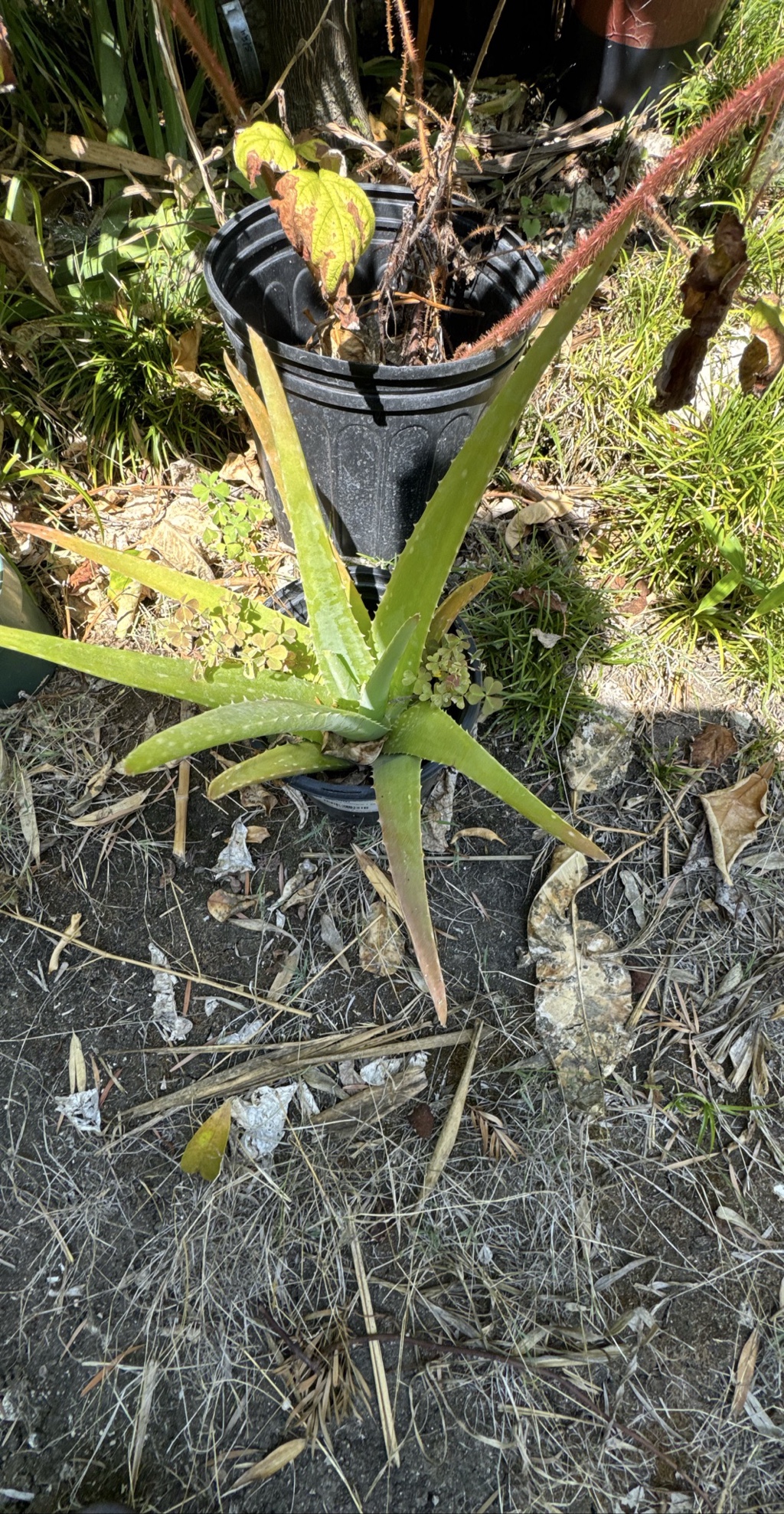
12. Aloe Vera (Aloe barbadensis miller)
Difficulty: Easy | Size: 12–24 inches / 30–60 cm | Type: Counter plant
Aloe vera is a practical bathroom choice for bright windowsills — you always have the soothing gel on hand for minor burns or skin irritation. It needs direct or very bright indirect light, which means only sunny bathroom windows will work. The humidity isn't aloe's favorite (it's a succulent), but as long as you use fast-draining cactus mix and a terracotta pot that wicks away excess moisture, it adapts perfectly fine. Water deeply but infrequently — every 2–3 weeks.
13. Tillandsia / Air Plants (Tillandsia spp.)
Difficulty: Easy | Size: 2–12 inches / 5–30 cm | Type: Anywhere — no pot needed
Air plants are the ultimate shower plants. They absorb water and nutrients directly through their leaves (no soil, no pot, no drainage issues), which means shower steam is literally feeding them. Mount them on driftwood, tuck them into a wire rack, or hang them from the shower rod in a geometric holder. In a bright bathroom, they'll even bloom. Just give them a 30-minute soak once a week and shake off excess water — it's the easiest plant care routine that exists.
The Shower Plants Trend: Bringing Greenery Into the Shower Itself

One of the hottest plant trends is bringing greenery directly into the shower — and it's not just for Instagram aesthetics. Shower plants create a genuinely more relaxing bathing experience. Here's how to do it right:
14. Eucalyptus Shower Bundles
Difficulty: None (it's a cut bundle) | Lasts: 2–4 weeks
Tie a bundle of fresh eucalyptus stems to your shower head with twine or a rubber band. The steam activates the essential oils, releasing that incredible spa-like menthol scent that opens sinuses and promotes relaxation. It's not a living plant — you're replacing the bundle every few weeks — but the aromatherapy effect is remarkable. Find fresh eucalyptus at most flower shops, Trader Joe's, or farmer's markets for around $5–8 per bundle.
15. Hanging Pothos or Trailing Ivy in the Shower
Difficulty: Easy | Size: Trailing 3–10 feet / 1–3 m
A pothos in a small hanging planter just outside the splash zone creates a living green curtain effect. Use a suction cup hook on the tile or a tension rod across the shower opening. The key is placement: the plant should get moisture from steam but not be directly under the water stream. In a shower with any light (even a small window above), a neon pothos or golden pothos will trail dramatically within a few months.
Practical Bathroom Plant Concerns: Mold, Drainage, and Temperature
Before you fill your bathroom with greenery, let's address the real-world challenges that most plant guides gloss over:
Mold Prevention
Humidity that's great for plants is also great for mold. Minimize risk by: using pots with drainage holes and saucers (never let pots sit in standing water), choosing potting mix with perlite for airflow, running the bathroom exhaust fan for 15–20 minutes after showers, and wiping down any water that collects on plant saucers. If you see mold on the soil surface, scrape it off, let the soil dry slightly between waterings, and sprinkle cinnamon on top — it's a natural antifungal.
Drainage in Small Spaces
Counter space in bathrooms is precious. Use wall-mounted planters, floating shelves, or over-the-toilet shelving units to maximize vertical space. For countertop plants, choose compact pots with built-in saucers. Cork or silicone mats under pots protect surfaces from water rings. And here's a pro tip: cache pots (decorative outer pots without drainage holes) let you use proper nursery pots inside without worrying about water on your surfaces — just remove the inner pot to water over the sink, let it drain, and pop it back.
Temperature Swings
Bathrooms experience bigger temperature fluctuations than other rooms — steamy and warm during showers, then cooling rapidly. Most tropical plants handle this fine because it mimics natural tropical conditions (warm rain followed by cooler air). The plants to worry about are cold-sensitive tropicals like calatheas if your bathroom gets very cold overnight in winter. If your bathroom drops below 55°F / 13°C at night, stick with the tougher options: pothos, ZZ, snake plants, and spider plants.
Window Condensation
If your bathroom window gets heavy condensation, keep plants 6–12 inches (15–30 cm) away from the glass. Cold, dripping water on leaves can cause fungal spots, especially on calatheas and ferns. A small gap between plants and window glass also improves air circulation.
Plants That Hate Bathrooms (What to Avoid)

Not every plant belongs in a bathroom. These common houseplants will actually suffer in high-humidity, low-light conditions:
- Most succulents and cacti — They evolved in deserts with 10–20% humidity. Bathroom moisture leads to root rot, mushy stems, and fungal infections. Exception: aloe vera can handle a bright bathroom window if potted in fast-draining mix.
- Most herbs — Basil, rosemary, thyme, and other culinary herbs need strong direct light (6+ hours) and good air circulation. A bathroom is typically too dark, too humid, and too stagnant. Grow herbs on a kitchen windowsill instead.
- Fiddle leaf fig — Surprisingly, this trendy plant hates fluctuating temperatures and drafts. The constant warm-cool cycling of a bathroom stresses it out, leading to dropped leaves.
- String of pearls — Despite looking great trailing from a shelf, this succulent is extremely rot-prone in high humidity. It needs dry air and bright light.
- Yucca — A desert plant through and through. High humidity and low light will slowly kill it via root rot and etiolation (stretching toward light).
Your Bathroom Plant by Size: Quick Reference
Here's how to match the right plant to the right spot in your bathroom:
Counter Plants (Small Pots, 4–6 inch / 10–15 cm)
- ZZ plant (compact variety)
- Small peace lily
- Air plants (no pot needed)
- Orchid
- Aloe vera
Shelf Plants (Trailing)
- Pothos (golden, neon, or jade)
- Heartleaf philodendron
- String of hearts (bright bathroom only)
Hanging Plants
- Boston fern
- Spider plant
- Pothos (in macrame hanger)
Floor Plants (Statement Pieces)
- Large snake plant (3–4 feet / 90–120 cm)
- Cast iron plant
- Large peace lily
Real-World Example: Sarah's Portland Bathroom Jungle
Sarah from Portland turned her windowless half-bath into a thriving green space using just three plants and one simple trick. She mounted a full-spectrum LED grow light (a $25 clip-on model from Amazon) under her medicine cabinet, set it on a 10-hour timer, and placed a ZZ plant on the counter, a pothos trailing from the shelf above the toilet, and a small peace lily on the back of the toilet tank. Six months later, all three are thriving — the peace lily even flowered twice. "I was sure nothing could grow in there," she told the Tendra community. "The grow light changed everything. Now it's my favorite room in the house."
Sarah's experience highlights an important point: the "no window" problem has a simple, affordable solution. A basic grow light turns any windowless bathroom from a plant dead zone into a legitimate growing space.
Finding Your Perfect Bathroom Plant Match

The best plants for bathroom success come down to honestly assessing your light situation first, then choosing accordingly. Don't try to force a light-hungry orchid into a windowless powder room, and don't waste a perfect sunny windowsill on a ZZ plant that would be equally happy in a closet.
Here are three things to do this weekend:
- Assess your light — Stand in your bathroom at midday. Can you comfortably read a book without turning on lights? If yes, you have medium-to-bright light. If no, you're in the low-light/no-window category.
- Start with one plant — Don't buy five plants at once. Pick one from the appropriate light category, let it settle in for a month, and observe how it responds to your bathroom's specific conditions.
- Check your drainage — Make sure any pot you use has a drainage hole. Bathrooms are humid; wet soil plus humidity equals root rot. Drainage is non-negotiable.
Find the perfect plant for every room in your home — Tendra matches plants to your light and humidity levels. Whether you're greening up a windowless half-bath or creating a bright bathroom jungle, Tendra's AI identification helps you confirm species, check care requirements, and connect with local plant lovers who've grown the same species in similar conditions. Discover your next bathroom plant with Tendra — where local gardeners connect and thrive.