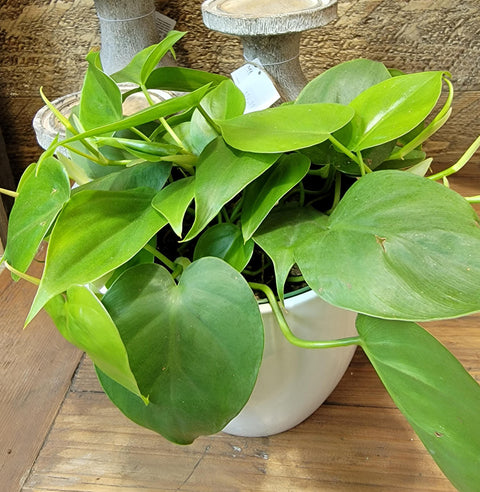
Few houseplants offer as much variety — or as much forgiveness — as the philodendron. With over 450 species ranging from dainty trailing vines to dramatic floor-standing specimens, there's a philodendron for every room, every light condition, and every level of plant parent experience. Whether you picked up a $5 heartleaf from the grocery store or splurged on a coveted Pink Princess, the fundamentals of philodendron care remain surprisingly simple.
In this guide, you'll learn exactly how to keep your philodendron thriving — from watering and light to propagation, troubleshooting, and choosing the right variety for your space. By the end, you'll have the confidence to grow any philodendron like a seasoned collector.

What Makes Philodendrons So Special?
The name "philodendron" comes from the Greek philo (love) and dendron (tree) — literally "tree lover." In the wild, most philodendrons grow as epiphytes in the tropical rainforests of Central and South America, climbing up larger trees to reach dappled sunlight. This natural adaptation is what makes them such resilient houseplants: they evolved to thrive in filtered light with moderate moisture.
Philodendrons fall into two broad categories that influence how you care for them:
- Climbing philodendrons — These produce long, trailing vines with aerial roots. They look stunning in hanging baskets or trained up a moss pole. Popular climbers include Heartleaf, Brasil, and Micans.
- Self-heading (upright) philodendrons — These grow outward from a central stem in a bushy, fountain-like shape. They make excellent floor plants. Examples include Birkin, Selloum, and Xanadu.
Understanding which type you have helps you give it exactly the right support. With Tendra's AI plant identification, you can snap a photo of your philodendron and instantly know the exact variety and its specific care needs.
Popular Philodendron Varieties and How to Care for Each
Heartleaf Philodendron (Philodendron hederaceum)
The classic beginner plant. Heart-shaped, deep green leaves cascade from trailing vines that can reach 10 feet (3 meters) or more. Nearly indestructible — it tolerates low light, inconsistent watering, and neglect like a champion. If you've never kept a plant alive, start here.
Philodendron Brasil

A variegated sport of the heartleaf, with lime green and yellow stripes splashed down each leaf. It needs brighter light than the standard heartleaf to maintain that stunning variegation — if leaves start reverting to solid green, move it closer to a window.
Philodendron Birkin

A compact, trendy variety with dark green leaves featuring elegant white pinstripe variegation. It grows upright and stays relatively small, making it perfect for desks, shelves, and small spaces. Every new leaf unfurls a little differently — no two are exactly alike.
Pink Princess (Philodendron erubescens 'Pink Princess')

The collector's crown jewel. Dark green — almost black — leaves splashed with bubblegum pink variegation. Needs bright indirect light to produce the best color. Watch out for all-pink leaves: they lack chlorophyll and can't photosynthesize, so prune them back to encourage balanced growth.
Philodendron Micans

Velvety, iridescent leaves in shifting shades of bronze and deep green. A trailing variety that looks absolutely stunning in hanging baskets, especially when backlit. The soft, velvet-like texture is what sets it apart from other philodendrons.
Philodendron Selloum / Hope (Thaumatophyllum bipinnatifidum)

A dramatic, large-leaf upright variety with deeply lobed, tropical leaves that can span 2–3 feet (60–90 cm) across. This one needs room. It makes a commanding floor plant and thrives in humid environments like bathrooms. Technically reclassified out of the Philodendron genus, but still widely sold under the name.
How Much Light Does a Philodendron Need?
Philodendrons evolved under the rainforest canopy, so they naturally thrive in bright, indirect light. That said, they're remarkably adaptable — most varieties tolerate lower light far better than many other houseplants.
The ideal spot:
- Near an east- or west-facing window
- A few feet (about 1 meter) back from a south-facing window
- In any room that gets consistent ambient light throughout the day
Signs your philodendron needs more light:
- Leggy, stretched-out growth with long gaps between leaves
- Smaller new leaves compared to older ones
- Variegated varieties (Birkin, Brasil, Pink Princess) reverting to solid green
- Slow or stalled growth during spring and summer
Signs it's getting too much direct sun:
- Yellowing or bleached-looking leaves
- Brown, crispy patches (sunburn)
- Leaves curling inward to reduce sun exposure
Here's a fact that surprises many new plant parents: variegated philodendrons like the Birkin and Pink Princess actually need more light than solid green varieties. The white or pink portions of their leaves can't photosynthesize, so the plant needs extra light to compensate through its green tissue.
How to Water a Philodendron (Without Overwatering)

Overwatering is the number one killer of philodendrons. These plants appreciate consistent moisture, but they absolutely cannot tolerate waterlogged roots.
The golden rule: Water when the top 1–2 inches (2.5–5 cm) of soil feel dry to the touch. For most indoor environments, that works out to roughly once a week in spring and summer, and every 10–14 days in fall and winter. But always check the soil rather than relying on a fixed schedule — your home's humidity, temperature, and light levels all affect how quickly soil dries.
How to water properly:
- Water slowly and thoroughly until it flows from the drainage holes
- Let the pot drain completely — never let it sit in a saucer of standing water
- Wait until the top layer dries before watering again
Common watering mistakes:
- Overwatering signs: Yellowing lower leaves, mushy stems, soil that smells sour — all point to root rot
- Underwatering signs: Drooping leaves (they'll bounce back within hours once watered), dry or crispy leaf edges
- Cold water shock: Tropical plants prefer room-temperature water. Ice-cold water can stress roots
Seasonal adjustment: In winter, your philodendron's growth slows dramatically. Lower light and cooler temperatures mean the soil stays damp much longer, so reduce watering frequency. This is the season where most overwatering damage happens.
Humidity, Temperature, and Soil
Most philodendrons tolerate average household humidity (40–50%) without complaint, but they truly thrive at 50–70% humidity. Higher humidity encourages larger, more vibrant leaves — you'll notice the difference.
Easy ways to boost humidity include grouping plants together (they create a shared microclimate), placing pots on a pebble tray filled with water, or running a humidifier nearby. Bathrooms and kitchens with natural light are naturally humid environments where philodendrons often flourish.
For temperature, keep things between 65–80°F (18–27°C). Philodendrons don't tolerate cold — avoid placing them near drafty windows or doors in winter, and never let temperatures drop below 55°F (13°C).
Soil mix matters: Standard potting soil straight from the bag is usually too dense and moisture-retentive. Mix your own blend for best results:
- 2 parts peat-based potting mix
- 1 part perlite (for drainage and aeration)
- 1 part orchid bark (mimics the chunky, organic debris philodendrons grow in naturally)
Always use a pot with drainage holes — this is non-negotiable. Terracotta pots are excellent because they wick excess moisture away from roots. Plastic or glazed ceramic retains moisture longer, so water less frequently with those.
How to Propagate Philodendron

Philodendrons are among the easiest houseplants to propagate — and spring or early summer is the best time to do it. Here's the simplest method:
Stem Cuttings in Water
- Find a healthy stem with at least 2–3 leaves and locate a node — the small bump where leaves, aerial roots, or branches emerge
- Cut just below the node with clean, sharp scissors
- Remove any leaves that would sit below the waterline
- Place the cutting in a clean jar of room-temperature water, ensuring the node is submerged
- Set it in bright, indirect light and change the water every 3–4 days
- Roots typically appear within 1–2 weeks
- Once roots reach 2–3 inches (5–7 cm), transplant to moist potting mix
Direct Soil Propagation
Take the same cutting, optionally dip the cut end in rooting hormone, and plant directly into moist, well-draining soil. Keep the soil consistently damp (not soaked) and place in a warm, bright spot. Tug gently after 3–4 weeks — if you feel resistance, roots have formed.
Propagation is a wonderful way to share plants with friends and neighbors. If you're looking for other philodendron enthusiasts nearby, Tendra's Twin Plant Mates feature connects you with local growers who might love a cutting exchange.
Troubleshooting Common Philodendron Problems
Even the most forgiving plants run into trouble sometimes. Here's how to diagnose and fix the most common issues:
Yellow Leaves
The most common cause is overwatering. Check if the soil feels soggy and reduce watering frequency. If the soil smells sour or mushy, you likely have root rot — unpot the plant, trim any brown or mushy roots with sterile scissors, and repot in fresh, dry soil. Other causes include too much direct sun, natural aging of lower leaves (which is normal), or nutrient deficiency during the growing season.
Brown Leaf Tips
Usually caused by low humidity, inconsistent watering, or fertilizer burn. Increase humidity around the plant and make sure you're watering thoroughly each time rather than giving small sips.
Drooping Leaves
If the soil is dry, your plant is thirsty — give it a good drink and it should perk up within hours. But if the soil is wet and leaves are drooping, that's a sign of root rot from overwatering. The fix is very different: stop watering, check the roots, and repot if necessary.
Leggy, Sparse Growth
Not enough light. Move to a brighter spot and prune back leggy stems to encourage bushier growth. Each cut just above a leaf node will trigger new growth from that point.
Pests
Philodendrons occasionally attract mealybugs (white cottony patches), spider mites (fine webbing on leaf undersides), and fungus gnats (tiny flies around the soil surface). Inspect leaves regularly, wipe them with a damp cloth or diluted neem oil solution, and treat infestations with insecticidal soap. Fungus gnats almost always indicate overwatering — let the soil dry out more between waterings.
Philodendron Care by Season
One thing most care guides overlook is how much your philodendron's needs change throughout the year. Here's a seasonal breakdown:
Spring (March – May)
Active growth resumes. Resume regular fertilizing with a balanced liquid fertilizer (20-20-20) diluted to half strength, once a month. This is the best time to repot if your plant has outgrown its pot or propagate stem cuttings. Increase watering as growth accelerates.
Summer (June – August)
Peak growing season — expect lots of new leaves. Water more frequently as soil dries faster in warmer weather. Watch for pests, which are most active during warm months. Keep out of intense direct afternoon sun, which can scorch leaves even through a window.
Fall (September – November)
Growth slows. Reduce fertilizing to every 6–8 weeks. Gradually decrease watering as the plant enters its slower phase. If your home gets cold drafts, move the plant away from windows.
Winter (December – February)
Dormancy. Stop fertilizing entirely. Water significantly less — let soil dry out more between waterings. Keep away from cold drafts and heating vents (which create hot, dry air). Growth will slow or stop completely, and that's perfectly normal.
A Real-World Example: Nick's Philodendron Revival
Nick from New York inherited a neglected heartleaf philodendron from a departing roommate. The plant had long, bare vines with a few sad leaves clinging to the ends, and the soil smelled like a swamp. He almost tossed it — but decided to try one more thing.
He unpotted the plant, trimmed the rotted roots, and repotted it in a well-draining mix of potting soil and perlite. He cut back the leggy vines to just a few nodes each and placed the cuttings in water jars on his kitchen windowsill. Within three weeks, every cutting had sprouted roots. He planted them all back into the same pot with the mother plant.
Six months later, that sad, balding philodendron was a full, lush specimen trailing beautifully from a shelf. Nick now has seven philodendrons — including a Birkin and a Brasil — all propagated from cuttings he swapped with a neighbor he connected with through Tendra's local gardening community. "I went from a guy who killed succulents to the plant dad of my building," he says.
Frequently Asked Questions
Are philodendrons toxic to cats and dogs?
Yes. All philodendrons contain calcium oxalate crystals that can cause oral irritation, excessive drooling, vomiting, and difficulty swallowing if ingested by pets. Place them on high shelves or in hanging baskets out of reach, or consider pet-safe alternatives like spider plants or calathea.
Can philodendrons grow in water permanently?
Many trailing varieties — especially heartleaf — can live in water indefinitely. Change the water every 1–2 weeks and add a few drops of liquid fertilizer monthly. Growth will be slower than in soil, but it's a beautiful, low-maintenance way to display them.
How fast do philodendrons grow?
In good conditions, most philodendrons produce a new leaf every 1–2 weeks during spring and summer. Growth slows significantly or stops in winter. Variegated varieties tend to grow more slowly because less leaf surface is available for photosynthesis.
What's the difference between a philodendron and a pothos?
They look similar but belong to different genera. Philodendron leaves are generally thinner, smoother, and more distinctly heart-shaped. Pothos leaves are thicker and waxier with a slight ridge along the back. Aerial roots differ too: philodendrons produce thin roots at each node, while pothos roots tend to be thicker and fewer. Care for both is nearly identical.
Keep Your Philodendron Thriving Year-Round
Philodendrons are among the most rewarding houseplants you can grow — adaptable, beautiful, and endlessly propagatable. The key is understanding their tropical origins: bright indirect light, consistent but moderate watering, and well-draining soil. Master those three fundamentals, and you'll have a plant that rewards you with lush growth for decades.
Whether you're nursing your first heartleaf back to health or building a collection of rare varieties, having the right care reminders makes all the difference. Discover personalized philodendron care schedules with Tendra — where local gardeners connect and thrive.