Why the Best Plants for Your Bedroom Aren't Just Decorative — They're Functional
You spend roughly a third of your life in your bedroom. That's about 230,000 hours over a lifetime, breathing the same recycled air in a room that's often the darkest, most neglected space in the house when it comes to greenery. If you've been thinking about adding a few best plants for bedroom spaces to your sleep sanctuary, you're onto something — but most advice online gets the science wrong.
Here's what most "best bedroom plants" lists won't tell you: not all plants behave the same way at night. Most plants consume oxygen in the dark through respiration, which is the opposite of what you want next to your pillow. A select group of plants — called CAM plants — actually release oxygen at night, making them uniquely suited for bedrooms. Add in low-light tolerance, air-purifying potential, fragrance science, and practical concerns like fungus gnats near your bed, and choosing bedroom plants becomes a lot more nuanced than "just buy a fern."
This guide breaks down the 12 best plants for your bedroom based on real sleep science, honest low-light assessments, and practical bedroom living. No fluff, no Instagram fantasy — just plants that actually work next to where you sleep.

The Night Oxygen Advantage: Best Plants for Bedroom Air Quality
Most plants photosynthesize during the day — absorbing carbon dioxide and releasing oxygen when light hits their leaves. At night, they flip: consuming oxygen through respiration, just like we do. In a well-ventilated bedroom, this is negligible. But in a sealed, small room with poor airflow? It adds up.
Enter CAM plants (Crassulacean Acid Metabolism). These species evolved in hot, dry environments where opening leaf pores during the day would waste precious water. Instead, they open their stomata at night, absorbing CO₂ and releasing oxygen while you sleep. This makes them the true best plants for bedroom air quality.
1. Snake Plant (Dracaena trifasciata)
The undisputed champion of bedroom plants. Snake plants are CAM plants that release oxygen at night, tolerate near-total darkness, survive weeks of neglect, and come in dozens of varieties from 6-inch (15 cm) dwarf cultivars to 4-foot (1.2 m) statement pieces. NASA's Clean Air Study flagged them for removing formaldehyde and benzene. Place one on your bedroom floor or dresser and essentially forget about it — they thrive on neglect. Water every 2–3 weeks and you're golden. For a deep dive on keeping them happy, check out our complete snake plant care guide.
2. Aloe Vera (Aloe barbadensis miller)
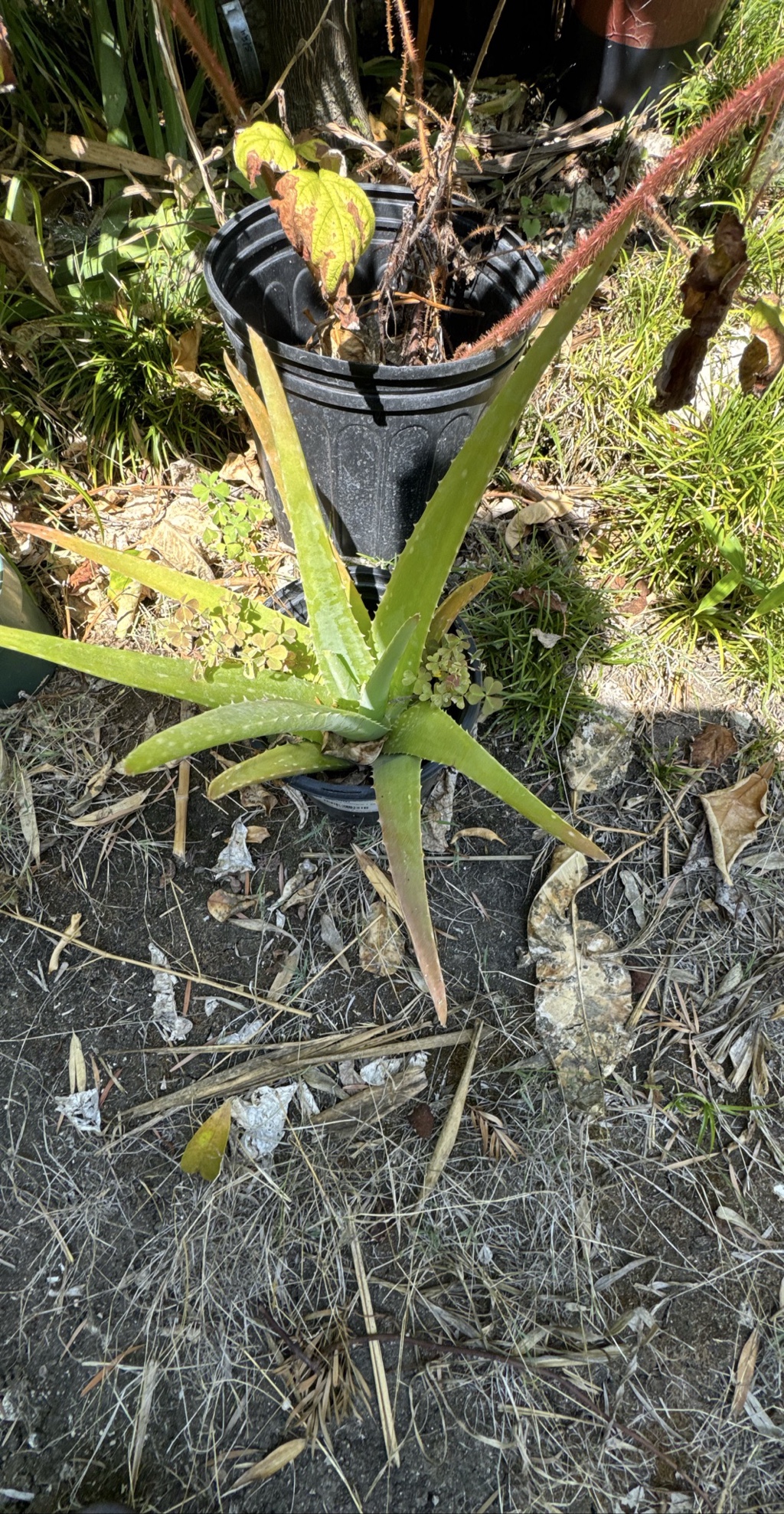
Another CAM plant that releases oxygen at night. Aloe vera is compact enough for a nightstand — most varieties stay under 12 inches (30 cm) — and it doubles as a first-aid kit. Snap a leaf for burns, cuts, or dry skin. It needs brighter light than a snake plant, so place it near a window if your bedroom has one. If you're working with a truly dark room, aloe isn't your best bet. Our aloe plant care guide covers light requirements and watering schedules in detail.
3. Moth Orchid (Phalaenopsis spp.)
Surprising to many, orchids are CAM plants. Moth orchids release oxygen at night and add an elegant touch that few other bedroom plants can match. They bloom for months, prefer the same temperatures you do (65–80°F / 18–27°C), and actually do well in the indirect light typical of bedrooms. The biggest myth? That orchids are hard. Modern Phalaenopsis hybrids are practically bulletproof — water weekly, skip the ice cube trick (that's a myth), and they'll reward you with months of blooms. Start with our orchid care beginner's guide if you're nervous.
4. Bromeliad (Bromeliaceae family)
Bromeliads are the wildcard CAM entry. Their rosette shape and vibrant inflorescences add tropical color, and they release oxygen at night like their fellow CAM plants. They're surprisingly low-maintenance: fill the central "cup" with water weekly and give them bright indirect light. The mother plant dies after flowering but produces pups — free baby plants you can pot up and share. They thrive in the 60–80°F (16–27°C) range common in bedrooms.

Bedroom Plants for Low Light: Honest Picks That Actually Survive
Let's be real: bedrooms often have the worst light in the house. North-facing windows, heavy curtains for sleep, small windows — many bedrooms get less than 50 foot-candles of light, which is considered "low light" in plant terms. Most bedroom plants low light guides recommend fiddle leaf figs and calatheas, and then people wonder why they die within months.
Here are the plants that genuinely tolerate low light — not "bright indirect light that someone relabeled as low light."
5. Pothos (Epipremnum aureum)
The single most forgiving houseplant on the planet. Pothos thrives in low light, tolerates irregular watering, and trails beautifully from a shelf or hanging planter above your bed. In low light, growth slows and variegation may fade to solid green — that's normal and fine. Golden pothos and jade pothos handle the darkest rooms best. Neon and marble queen varieties need a bit more light. Water when the soil is dry to 2 inches (5 cm) deep, roughly every 10–14 days in a bedroom setting.
6. ZZ Plant (Zamioculcas zamiifolia)
If your bedroom is a cave, the ZZ plant is your spirit animal. Its thick, waxy, almost-plastic-looking leaves store water in bulbous rhizomes underground, meaning it can go a month between waterings. It tolerates fluorescent lighting, corners that never see direct sun, and the kind of chronic neglect that kills every other plant. The Raven ZZ variety has dramatic near-black foliage that looks stunning against light-colored bedding. One caveat: ZZ plants are mildly toxic if ingested, so keep them away from curious pets and toddlers.
7. Cast Iron Plant (Aspidistra elatior)
Named for its iron constitution, this Victorian parlor favorite earned its reputation in an era of gas-lit, coal-heated homes — environments far more hostile than your modern bedroom. Cast iron plants tolerate deep shade, temperature swings, drought, and dust. They grow slowly (2–3 new leaves per year in low light), which means they stay manageable. Their broad, dark green leaves have a quiet elegance, and they never get leggy or sad-looking in dim conditions. Water every 2–3 weeks and wipe the leaves occasionally to keep them glossy.

Fragrant Plants for Better Sleep: What the Science Says
Scent is one of the most underrated tools for sleep quality. Several studies have found that certain plant fragrances actively promote relaxation and deeper sleep — not just through aromatherapy placebo, but through measurable physiological responses.
8. Jasmine (Jasminum spp.)
A 2010 study published in the Journal of Biological Chemistry found that jasmine fragrance has a calming effect on nerve activity comparable to sedatives and barbiturates. Participants exposed to jasmine scent showed reduced anxiety and improved sleep quality. Indoor jasmine (Jasminum polyanthum) blooms in late winter to spring with intensely fragrant white flowers. It needs bright light — ideally a south or west-facing window — so it's not for dark bedrooms. But if you have the light, the plants for better sleep payoff is real.
9. Lavender (Lavandula spp.)
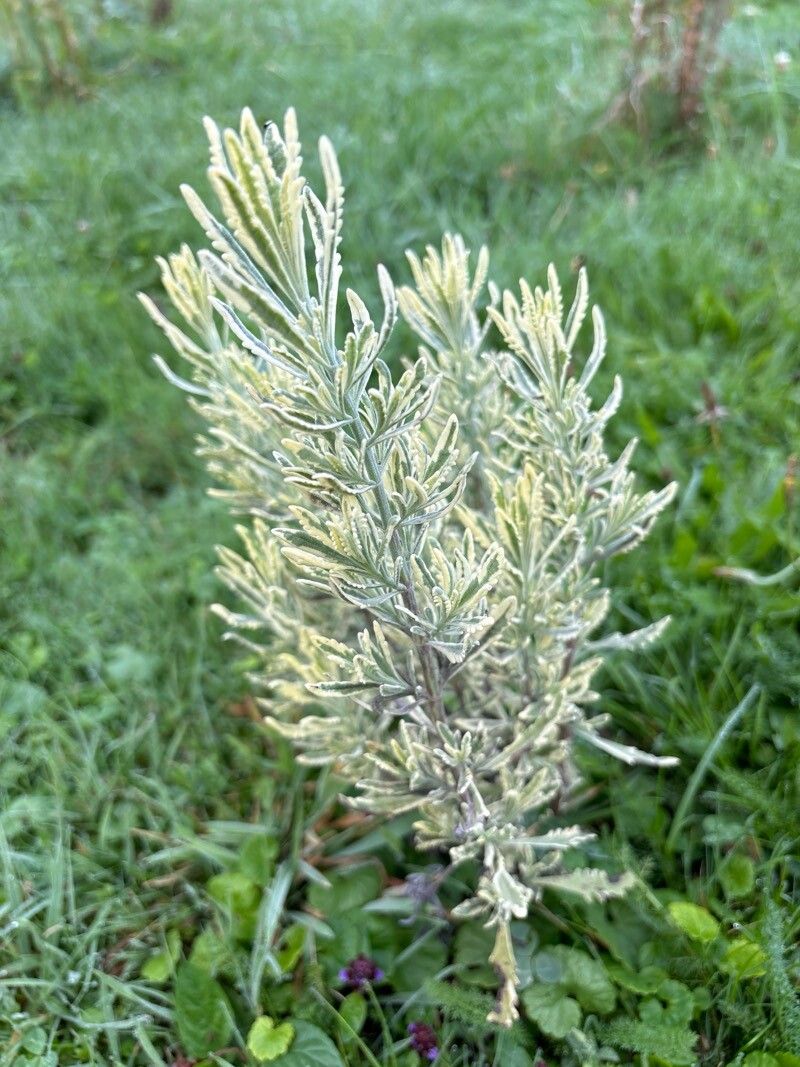
Multiple clinical studies confirm what grandmothers have known for centuries: lavender promotes sleep. A 2012 study in the Journal of Alternative and Complementary Medicine found that inhaling lavender scent for 20 minutes before bed significantly improved sleep quality in young adults. The challenge? Lavender is technically an outdoor plant that needs full sun and excellent drainage. In a bedroom, it needs your brightest windowsill and careful watering (it hates wet feet). French lavender (Lavandula dentata) adapts better to indoor conditions than English lavender. Consider it a seasonal bedroom guest rather than a permanent resident.
10. Gardenia (Gardenia jasminoides)
German researchers at Heinrich Heine University found that the scent of gardenia flowers affects the brain's GABA receptors — the same receptors targeted by sleep medications like Ambien. Their 2010 study showed gardenias had measurable sedative effects in mice. The fragrance is intoxicating: rich, creamy, and deeply sweet. The catch? Gardenias are notoriously finicky indoors. They need bright light, high humidity (50%+), acidic soil, and consistent moisture. If you can provide these conditions, the reward is extraordinary. If not, enjoy their fragrance seasonally and don't beat yourself up.
A word of caution on fragrant plants: Some people are sensitive to floral scents while sleeping. If you wake up with headaches or congestion, the plant fragrance may be the culprit. Start with one fragrant plant and assess your reaction before adding more.

The NASA Clean Air Study: What It Actually Means for Your Bedroom
Every "best air purifying plants bedroom" article cites NASA's 1989 Clean Air Study, and for good reason — it's a landmark piece of research. But here's what most articles leave out: the study was conducted in sealed 1-cubic-meter chambers. Your bedroom is not a sealed chamber.
To achieve the air-purifying effects demonstrated in NASA's study, you'd need approximately 6–8 plants per 100 square feet (9 square meters) of floor space. For a typical 12×12-foot (3.7×3.7 m) bedroom, that's roughly 8–12 plants. A single snake plant on your nightstand is lovely, but it's not meaningfully changing your indoor air quality.
That said, having multiple plants in a bedroom does increase humidity (through transpiration), which can help with dry winter air, sore throats, and dry skin. And the psychological benefits of being around plants — reduced stress, improved mood, a sense of calm — are well-documented and don't require a NASA-level plant count.
11. Peace Lily (Spathiphyllum spp.)
If you're going for volume-based air purification, peace lilies are your best bet. They topped NASA's study for removing acetone, benzene, formaldehyde, and trichloroethylene. They tolerate low to medium light, bloom in indirect light, and their glossy dark leaves are effortlessly beautiful. Peace lilies are also natural humidity boosters — a single mature plant can increase room humidity by 5%. Water when the top inch (2.5 cm) of soil is dry. They'll dramatically droop when thirsty (looking like they're dying) and perk right back up within hours of watering.
12. Rubber Plant (Ficus elastica)
Rubber plants are formaldehyde-removing powerhouses that double as gorgeous statement plants. Their thick, glossy leaves — ranging from deep green to burgundy to variegated pink — make a dramatic bedroom floor plant. They tolerate medium to low light (variegated varieties need a bit more), grow steadily to 6–10 feet (1.8–3 m) indoors, and are low-maintenance once established. Water every 1–2 weeks and wipe the broad leaves to keep them dust-free and photosynthesizing efficiently.
Bedroom Plant Placement: Size Guide by Location
Where you put your best plants for bedroom spaces matters almost as much as which plants you choose. Here's a practical sizing guide:
Nightstand Plants (Small, 4–8 inches / 10–20 cm)
- Small pothos in a 4-inch pot — trails elegantly over the edge
- Mini snake plant (Dracaena trifasciata 'Hahnii') — compact rosette, almost impossible to kill
- Small aloe — functional and sculptural, doubles as burn relief
- Air plants (Tillandsia) — no soil, no pot, just mist weekly
Dresser Plants (Medium, 12–24 inches / 30–60 cm)
- Peace lily — elegant blooms and air-purifying prowess
- Medium snake plant — architectural without taking over
- Moth orchid — months of blooms at eye level
- ZZ plant — glossy and low-maintenance
Floor Statement Plants (Large, 3–6 feet / 0.9–1.8 m)
- Rubber plant — bold, glossy leaves that fill a corner
- Tall snake plant — vertical drama without width
- Fiddle leaf fig — only if you have a bright window; don't attempt this in a dark bedroom
- Dracaena marginata — architectural trunk with wispy top leaves

Bedroom-Specific Concerns: Gnats, Allergens, Pets, and Maintenance
Bedrooms aren't kitchens or living rooms. You're sleeping inches from these plants, so certain issues matter more here than anywhere else.
Fungus Gnats: Keep Them Away from Your Bed
Nothing ruins the tranquility of a plant-filled bedroom like tiny gnats hovering around your face at 2 AM. Fungus gnats breed in consistently moist soil — and bedroom plants are particularly vulnerable because they often get overwatered (out of sight, out of the watering routine). Solutions: let soil dry completely between waterings, use a 50/50 perlite-heavy mix, top-dress soil with sand or decorative stones, or switch to LECA (lightweight expanded clay aggregate) or semi-hydroponics to eliminate soil gnats entirely. Tendra's smart watering reminders can help you nail the right schedule for each plant, reducing the overwatering that gnats love.
Allergen Awareness
If you wake up sneezy, your bedroom plants could be contributing. Avoid high-pollen plants and anything with fuzzy or hairy leaves that trap dust. Plants with smooth, glossy leaves (snake plant, ZZ plant, rubber plant) are hypoallergenic-friendly. Wipe leaves monthly with a damp cloth to prevent dust accumulation. If you have mold allergies, avoid overwatering and ensure good pot drainage — mold in plant soil can trigger respiratory reactions when you're sleeping 3 feet (1 m) away.
Pet Safety
If cats or dogs sleep in your bedroom, plant choice gets more critical. Pet-safe picks: spider plants, Boston ferns, moth orchids, bromeliads, cast iron plants, and most palms. Toxic to pets: peace lilies (mild), pothos (moderate — mouth irritation), ZZ plants (mild), snake plants (mild GI upset). "Mild toxicity" means a nibble causes discomfort but isn't life-threatening. If your cat is a chronic plant-chewer, stick to the pet-safe list or place plants well out of reach.
Maintenance Reality: Bedroom Plants Get Forgotten
Here's a truth nobody talks about: bedroom plants are the most neglected plants in any home. Your kitchen plants get watered because you see them while making coffee. Your living room plants get attention because you're there all day. Bedroom plants? You see them for 10 minutes before sleep and 5 minutes in the morning rush. Choose forgiving species that won't punish you for irregular care. Snake plants, ZZ plants, and pothos top this list — they'll look great even with monthly watering. Bottom-watering trays are a game-changer for bedrooms: fill the saucer, let the plant drink from below, and walk away.
Temperature and Humidity
Bedrooms tend to run cooler than the rest of the house, especially at night — sleep experts recommend 65–68°F (18–20°C). Most tropical houseplants prefer 65–80°F (18–27°C), so they're fine. The exception: if you crank the AC below 60°F (16°C), tropical plants will suffer. Humidity-wise, winter heating can drop bedroom humidity to 20–30%, which stresses moisture-loving plants. A small humidifier benefits both you and your plants — improved sleep quality and happier leaves.
Skip These in the Bedroom
Not every plant belongs next to your bed. A few to avoid:
- Spiny cacti: One half-asleep stumble into a barrel cactus and you'll learn this lesson the hard way. Beyond safety, feng shui practitioners also advise against sharp, aggressive energy in the sleep space — and whether or not you buy into feng shui, pointy things near bare skin at night is objectively a bad idea.
- Calathea (Goeppertia spp.): Gorgeous leaves, absurd maintenance requirements. Calatheas need high humidity (60%+), filtered water (they're sensitive to fluoride and chlorine), and consistent moisture. In a bedroom with dry air and sporadic attention, their leaves will curl, brown, and crisp. The frustration factor alone makes them a bad bedroom choice.
- Strongly scented plants (for sensitive sleepers): Gardenias, jasmine, and tuberose produce powerful fragrances that enhance sleep for some but cause headaches and congestion in others. Test before committing.
- High-pollen plants: Flowering plants that shed pollen (certain lilies, sunflowers) can worsen nighttime allergies. Opt for low-pollen or sterile hybrid varieties.

Real-World Results: Sarah's Portland Bedroom Transformation
Sarah from Portland had been struggling with restless sleep for months. Her bedroom — a north-facing room with a single small window — got maybe 2 hours of indirect light per day. She started with an ambitious lineup: a fiddle leaf fig, a calathea, and a gardenia. Within three months, the fiddle leaf was dropping leaves, the calathea looked like crumpled paper, and the gardenia hadn't bloomed once.
After researching low-light reality, Sarah swapped her lineup: a tall snake plant on the floor (CAM plant, night oxygen), a golden pothos trailing from her bookshelf, and a ZZ plant on her dresser. She added a small jasmine on her south-facing bathroom windowsill that she moves to her nightstand on warm evenings when it's blooming. Four months later, her bedroom feels like a calm retreat — and she uses Tendra's AI plant identification to track care schedules for each species, making sure nothing gets neglected in her morning rush.
The difference wasn't just aesthetic. "I stopped worrying about killing my plants," Sarah says. "And honestly, I think the snake plant next to my bed does help me sleep better. Even if it's just a placebo, I'll take it."
Find the Perfect Plant for Every Room
Choosing the best plants for your bedroom comes down to three honest questions: How much light do you actually have? How often will you really water? And what specific benefit — night oxygen, fragrance, visual calm — matters most to you?
Start with the forgiving trio: snake plant, pothos, and ZZ plant. They'll survive almost any bedroom. Then experiment with fragrant additions or air-purifying powerhouses as your confidence grows. If your bedroom also has a connected bathroom, explore our guide to the best plants for your bathroom to create a full plant-filled retreat.
Find the perfect plant for every room — Tendra matches plants to your light, space, and lifestyle. Discover your ideal bedroom lineup with Tendra, where local gardeners connect and thrive.