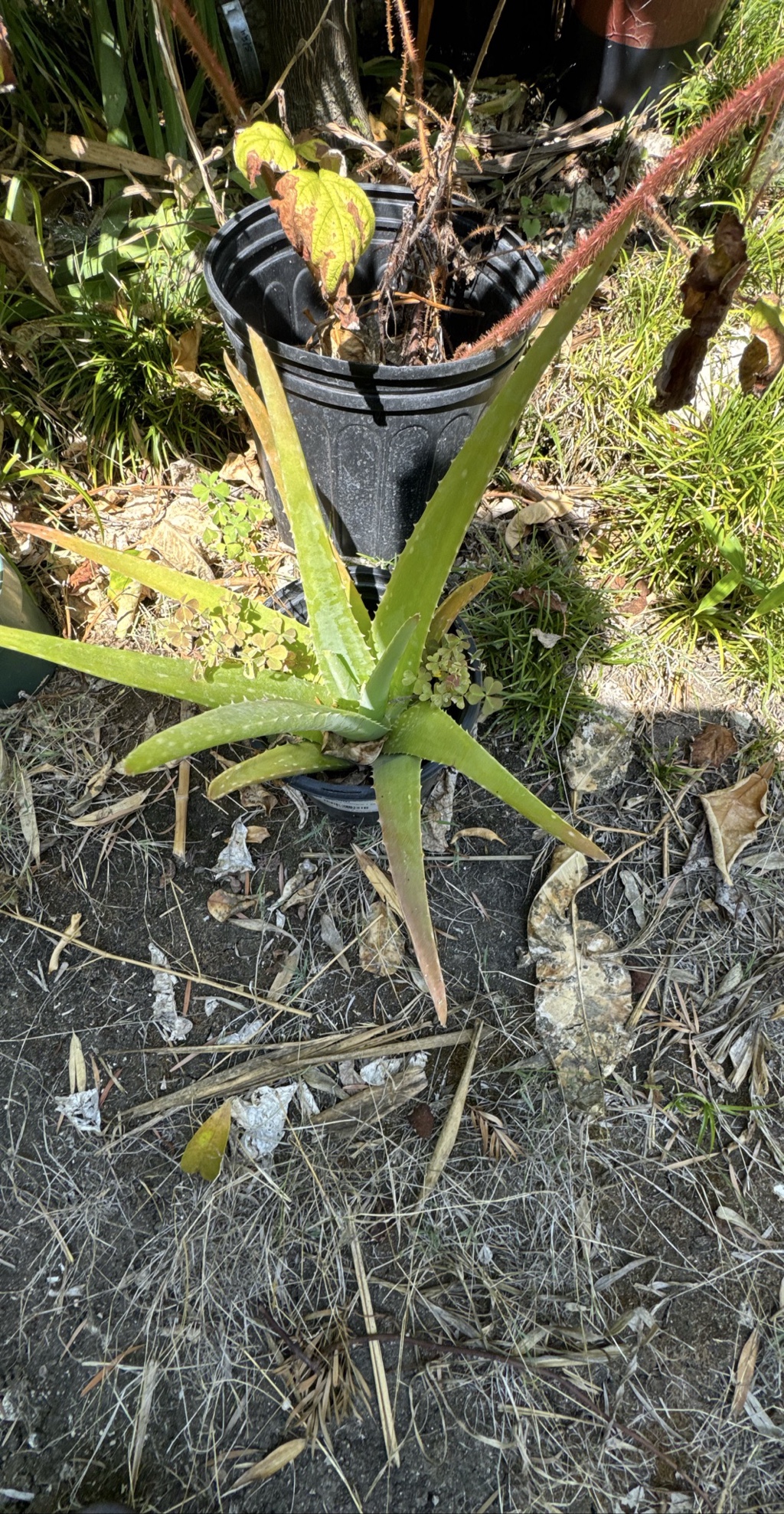
Aloe vera is one of those rare plants that gives back as much as it takes — and honestly, it doesn't take much. Whether you're a first-time plant parent or a seasoned gardener looking for a low-maintenance companion, Aloe barbadensis miller (commonly known as aloe vera) rewards even the most forgetful waterers with striking good looks and genuine medicinal benefits. This succulent has been cultivated for thousands of years across Africa, the Middle East, and the Mediterranean, and today it thrives on windowsills in apartments from Brooklyn to Boise.
In this complete guide, you'll learn exactly how to care for your aloe plant — from choosing the right pot and perfecting your watering schedule to propagating new plants, troubleshooting common problems, and even harvesting fresh gel for sunburn relief. We've also included a month-by-month seasonal care calendar you won't find in most guides. Let's dig in.
What Makes Aloe Vera Special?
Aloe vera belongs to the genus Aloe, which contains over 500 species of flowering succulent plants. What sets this particular species apart is its remarkable combination of ornamental beauty and practical usefulness. Those thick, fleshy leaves aren't just attractive — they're packed with a clear gel that's been used for centuries to soothe burns, moisturize skin, and support wound healing.
Here are a few surprising facts that make this plant truly exceptional:
- Ancient pedigree: Cleopatra reportedly used the gel as part of her daily beauty routine, and Alexander the Great conquered the island of Socotra specifically to secure supplies for his army's wound treatment.
- NASA-approved: It was included in NASA's Clean Air Study for its ability to filter formaldehyde and benzene from indoor air.
- Virtually indestructible: With proper (minimal) care, a single plant can live 5 to 25 years indoors and produce dozens of offspring along the way.
- 500+ relatives: While Aloe barbadensis miller is the most popular, species like Aloe arborescens (torch aloe) and Aloe aristata (lace aloe) make excellent companion plants.
This dual-purpose nature — decorative and medicinal — is what makes it the ultimate beginner houseplant. If you're building your first indoor garden, this is where to start.
How to Choose and Set Up Your Aloe Plant
Before you dive into care routines, getting the right setup makes everything easier. Think of it like building a good foundation — a few smart choices now prevent headaches later.
Picking a Healthy Plant at the Store
Look for firm, upright leaves with a consistent green color (some varieties have natural white spots — that's normal). Avoid plants with mushy or translucent leaves, brown spots, or a wobbly base. Gently tip the pot — a healthy root system should hold the soil together without the plant sliding out.
Choosing the Right Pot
This is where many beginners go wrong. The ideal pot has:
- Drainage holes — non-negotiable. Without drainage, water pools at the bottom and root rot becomes inevitable.
- Terracotta material — the porous clay wicks away excess moisture, which succulents love. Ceramic or plastic work too, but you'll need to water less frequently.
- Width over depth — these plants have shallow, spreading root systems. Choose a pot that's about 2 inches (5 cm) wider than the plant's base, but it doesn't need to be deep.
The Perfect Soil Mix
Standard potting soil retains too much moisture for succulents. Instead, use a commercial cactus/succulent mix or make your own by combining:
- 50% regular potting soil
- 25% perlite
- 25% coarse sand or pumice
This blend provides the fast drainage and aeration that these desert-adapted plants need. Some growers also add a thin layer of decorative gravel on top, which looks great and helps keep the base of the plant dry.
Light Requirements — How Much Sun Does Aloe Vera Need?

A south-facing window provides the bright, indirect light that these succulents thrive in.
Light is the second most important factor in keeping your plant healthy (after watering). Here's what you need to know:
The sweet spot: 6 to 8 hours of bright, indirect light per day. A south- or west-facing window is ideal in most homes. East-facing works too but may produce slightly leggier growth.
Direct sunlight caution: While these are desert plants, the direct afternoon sun through a window can actually scorch the leaves — especially if the plant was previously in lower light. If you notice reddish-brown discoloration on the leaves facing the window, that's sunburn. Move the plant back a foot (30 cm) or add a sheer curtain.
Signs of Too Much Light
- Leaves turning reddish-brown or developing dry, crispy patches
- Leaves fading from deep green to washed-out yellow-green
- Soil drying out extremely fast (within 1-2 days)
Signs of Too Little Light
- Etiolation — the plant stretches toward light, becoming tall and leggy with thin leaves
- Leaves droop or flatten instead of curving upward
- Color fades to pale green
- Growth slows dramatically or stops entirely
Grow lights: If you're in a low-light apartment or a northern climate with short winter days, a basic LED grow light running 10-12 hours a day can make all the difference. Position it 6 to 12 inches (15-30 cm) above the plant.
How to Water Aloe (Without Killing It)

The golden rule: let the soil dry completely between waterings. When in doubt, wait another day.
If there's one thing that kills more of these plants than anything else, it's overwatering. These succulents evolved in arid environments where rain is rare but heavy — their thick leaves store water for weeks between downpours. Your job is to mimic that pattern.
The Golden Rule
Let the soil dry completely between waterings. Stick your finger 2 inches (5 cm) into the soil. If it feels even slightly moist, wait. When you do water, soak the soil thoroughly until water runs out the drainage holes, then let it drain completely. Never let the pot sit in a saucer of standing water.
Seasonal Watering Schedule
- Spring (March–May): Every 2 to 3 weeks — growth is picking up, so the plant uses more water
- Summer (June–August): Every 2 weeks — peak growing season, but watch for signs of overwatering
- Fall (September–November): Every 3 to 4 weeks — gradually reduce as growth slows
- Winter (December–February): Every 4 to 6 weeks — the plant is dormant and uses very little water
These are guidelines, not gospel. Your actual schedule depends on pot material, soil mix, humidity, temperature, and light levels. A plant in a terracotta pot by a sunny window in Arizona will need water more often than one in a ceramic pot in a dim Seattle apartment.
Signs of Overwatering vs. Underwatering
Overwatered: Leaves become soft, mushy, and translucent. The base may feel squishy. Brown spots appear that feel wet. In severe cases, leaves fall off at the slightest touch.
Underwatered: Leaves thin out and curl inward. Tips turn brown and crispy. The plant may look slightly shriveled or wrinkled. Unlike overwatering, this is much easier to fix — just give it a good drink.
Water type: Tap water is fine for most situations. If you notice persistent brown leaf tips despite correct watering, try switching to filtered or rainwater — some plants are sensitive to chlorine and fluoride.
💡 Pro tip: Set up smart watering reminders in Tendra so you never have to guess when your plant is thirsty — the app adjusts reminders based on the season automatically.
Soil, Repotting, and Fertilizing

A well-prepared repotting station: fast-draining soil, terracotta pots with drainage, and plenty of workspace.
When to Repot
Your plant will tell you when it's ready for a bigger home. Watch for these signs:
- Roots growing out of the drainage holes
- The plant is top-heavy and tips over easily
- Multiple pups (baby plants) are crowding the pot
- Growth has stalled despite good light and watering
- It's been 2 to 3 years since the last repot
Step-by-Step Repotting
- Water the day before — this makes the plant easier to remove and reduces transplant shock.
- Choose a pot 1 to 2 inches (2.5-5 cm) wider than the current one. Bigger isn't better — too much soil retains excess moisture.
- Gently remove the plant by tipping the pot sideways and easing it out. Don't yank from the top.
- Inspect the roots. Trim any brown, mushy, or circling roots with clean scissors.
- Add fresh soil to the new pot, set the plant at the same depth it was before, and fill around the sides.
- Wait 3 to 5 days before watering. This lets any damaged roots callus over, preventing rot.
Fertilizing
These plants are light feeders. Too much fertilizer causes more problems than too little. Here's the simple approach:
- When: Only during the growing season (April through September)
- What: A balanced liquid fertilizer (10-10-10) diluted to half strength
- How often: Once a month, maximum
- Winter: No fertilizer at all — the plant is resting
How to Propagate Aloe Vera — Free Plants!

Separating pups from the mother plant is the easiest and most reliable propagation method.
One of the best things about this plant is how generously it reproduces. A healthy mature specimen will produce "pups" — small offsets that sprout from the base — that you can separate and pot up as independent plants. It's essentially free plant multiplication.
Method 1: Pup Division (Recommended)
This is the easiest method with the highest success rate:
- Wait until pups are 3 to 4 inches (7-10 cm) tall with their own root system. You can gently brush away soil at the base to check.
- Remove the mother plant from the pot and gently separate the pup, keeping as many roots intact as possible. If they're tightly connected, use a clean, sharp knife to cut them apart.
- Let the pup dry for 1 to 2 days. This allows the cut surface to callus, preventing rot.
- Plant in a small pot (3-4 inches / 7-10 cm) with fresh succulent soil.
- Wait a week before watering to let roots settle, then water lightly.
Pups typically establish themselves within 2 to 4 weeks and will begin growing noticeably within a couple of months.
Method 2: Leaf Cuttings (Trickier)
Unlike many succulents, leaf propagation with this species has a low success rate — maybe 20% to 30%. The leaves contain so much moisture that they tend to rot before rooting. If you want to try:
- Cut a healthy, thick leaf at the base with a clean blade.
- Let it dry in a shaded spot for 5 to 7 days until the cut end forms a thick callus.
- Place the callused end in slightly moist succulent soil, barely buried.
- Mist lightly every few days — don't soak the soil.
- Be patient. Rooting can take 4 to 8 weeks, and many cuttings won't make it.
Why water propagation doesn't work: You might see tutorials suggesting placing cuttings in water. This almost never works with succulents because the high moisture content causes the cut tissue to break down before roots can form. Stick to soil propagation.
Managing multiple plants from propagation? Tendra helps you track each one individually with personalized care schedules.
Troubleshooting — Why Is My Aloe Plant Dying?

Left: a healthy, plump leaf. Right: yellowing and wilting — usually a sign of overwatering or insufficient light.
Don't panic. Most problems with these plants are fixable if caught early. Here's your diagnostic guide:
Brown Leaves
Likely causes: Sunburn (crispy, dry brown patches on sun-facing side), overwatering (soft, wet brown spots), or cold damage (browning after exposure to temperatures below 50°F / 10°C).
Fix: Move away from direct sun for sunburn. For overwatering, let soil dry completely and check for root rot. For cold damage, move to a warmer spot and remove severely damaged leaves.
Yellow Leaves
Likely causes: Overwatering (most common), nutrient deficiency (if you've never fertilized and it's been years), or natural aging (bottom leaves yellow and dry as the plant grows — this is normal).
Fix: Reduce watering frequency. If the soil has been the same for 3+ years, repot with fresh soil and consider a light feeding during growing season.
Drooping or Limp Leaves
Likely causes: Insufficient light (the plant can't maintain turgor pressure without adequate photosynthesis), overwatering (roots can't function properly), or the plant has outgrown its pot.
Fix: Move to a brighter location. Check soil moisture — if soggy, let it dry out. If rootbound, repot.
Mushy Base — Emergency!
Cause: Root rot, almost always from overwatering or poor drainage. This is the most serious problem because it can kill the plant quickly.
Emergency action plan:
- Remove the plant from the pot immediately.
- Cut away all mushy, brown, or black roots with sterilized scissors.
- If the rot has reached the stem, cut above the rot to healthy green tissue.
- Let the plant dry for 2 to 3 days in a shaded spot.
- Replant in completely fresh, dry soil in a clean pot with drainage.
- Don't water for at least a week.
Dry, Crispy Leaf Tips
Likely causes: Underwatering, very low humidity, or sensitivity to minerals in tap water.
Fix: Give the plant a thorough watering. If you're in a very dry climate, consider occasional misting of the air around (not directly on) the plant. Try filtered water if the problem persists.
Stretching and Leggy Growth
Cause: Not enough light. The plant is literally reaching toward the nearest light source.
Fix: Move to a brighter location immediately. Unfortunately, etiolated growth can't be reversed — the stretched parts will stay stretched. But new growth from the center will come in compact and healthy. You can eventually trim the leggy outer leaves once new ones fill in.
Common Pests and Diseases
The good news: these plants are relatively pest-resistant compared to many houseplants. The bad news: "relatively" doesn't mean "immune." Here's what to watch for:
- Mealybugs — White, cottony masses in leaf joints. Dab with rubbing alcohol on a cotton swab, or spray with neem oil solution. Check weekly until clear.
- Scale insects — Small, brown, shield-like bumps on leaves. Scrape off gently with a fingernail or old toothbrush, then treat with neem oil.
- Spider mites — Tiny dots with fine webbing, usually on leaf undersides. Increase humidity around the plant and spray with insecticidal soap or neem oil.
- Fungus gnats — Small flies hovering around the soil. Let the soil dry out completely between waterings (which you should be doing anyway) and use yellow sticky traps near the base.
- Root rot — Not a pest but a fungal disease caused by overwatering. See the emergency action plan in the troubleshooting section above.
Prevention is key: Good air circulation, proper watering habits, and well-draining soil prevent 90% of pest and disease issues. Inspect your plants every time you water — catching a problem early makes it 10 times easier to fix.
Seasonal Care Calendar — Month by Month

A well-organized indoor collection thrives year-round when you adjust care with the seasons.
This is the section most care guides skip entirely — but understanding when to adjust your routine is just as important as knowing what to do. Here's your month-by-month playbook:
🌱 Spring (March – May)
- Watering: Increase to every 2 to 3 weeks as growth resumes
- Light: Gradually move to a brighter spot if you relocated for winter
- Feeding: Start monthly fertilizing with half-strength balanced fertilizer
- Action items: This is prime repotting time. Separate any pups that have grown over winter. Inspect for pests that may have emerged from dormancy.
☀️ Summer (June – August)
- Watering: Every 2 weeks (check soil — hot weather may require more frequent checks)
- Light: Bright indirect light. If moving outdoors, acclimate gradually over 7 to 10 days to prevent sunburn.
- Feeding: Continue monthly half-strength fertilizer
- Action items: Can move outdoors to a shaded patio. Watch for sunburn on leaves not accustomed to direct outdoor sun. Peak growing season — enjoy the rapid new growth!
🍂 Fall (September – November)
- Watering: Reduce to every 3 to 4 weeks
- Light: Maximize available indoor light as days shorten
- Feeding: Last feeding in September or early October, then stop
- Action items: Bring outdoor plants inside before nighttime temperatures drop below 50°F (10°C). Check for hitchhiker pests from outdoors. Clean leaves gently with a damp cloth.
❄️ Winter (December – February)
- Watering: Every 4 to 6 weeks — the plant is dormant
- Light: Sunniest window available. Consider a grow light if your home gets less than 4 hours of natural light.
- Feeding: None — the plant is resting
- Action items: Minimal handling. Keep away from cold drafts and heating vents (dry heat can desiccate leaves). This rest period is actually important for long-term health and may encourage flowering in mature plants.
Let Tendra adjust your care reminders automatically by season — so you always know exactly what your plant needs, when it needs it.
How to Harvest and Use Aloe Vera Gel

Fresh gel straight from the leaf — a natural remedy that's been trusted for thousands of years.
This is where your care work really pays off. Once your plant is mature (at least 3 years old with thick, full leaves), you can harvest the gel for personal use.
When to Harvest
Only harvest from mature, outer leaves that are at least 8 inches (20 cm) long. Always take leaves from the bottom of the rosette — these are the oldest and most gel-rich. Never remove more than one-third of the plant's leaves at once.
Step-by-Step Harvesting
- Choose an outer leaf and cut it cleanly at the base with a sharp, clean knife.
- Stand the leaf upright in a cup for 10 to 15 minutes to let the yellow latex (aloin) drain out. This yellowish substance can cause skin irritation and has a strong laxative effect — you don't want it in your gel.
- Lay the leaf flat and slice off the spiny edges on both sides.
- Fillet the leaf by sliding your knife between the gel and the green skin, separating the clear gel from both flat sides.
- Rinse the gel pieces under cool water to remove any remaining latex.
Popular Uses
- Sunburn relief: Apply fresh gel directly to sunburned skin for immediate cooling and healing support.
- Daily moisturizer: The gel absorbs quickly and works well as a lightweight face or body moisturizer.
- Hair mask: Apply to damp hair, leave for 30 minutes, then rinse for added shine and moisture.
- Minor cuts and scrapes: The antibacterial and anti-inflammatory properties make it a natural first-aid option.
- DIY face masks: Mix with honey and oatmeal for a soothing, hydrating face treatment.
Storing Fresh Gel
Fresh gel keeps in the refrigerator for up to one week. For longer storage, cut the gel into cubes, freeze on a parchment-lined tray, then transfer to a freezer bag — frozen gel keeps for up to 6 months and makes soothing ice cubes for sunburn.
Can You Get Your Aloe to Bloom?
Yes — but don't hold your breath. Flowering indoors is rare and requires very specific conditions:
- Age: The plant must be at least 4 years old, ideally older
- Light: Maximum bright light year-round (this is the biggest factor)
- Winter rest: A cool dormancy period (50-60°F / 10-15°C) with minimal water signals the plant to set flower buds
- Pot size: Slightly rootbound plants are more likely to bloom
When it happens, the plant sends up a tall flower spike (up to 3 feet / 90 cm) topped with tubular blooms in shades of yellow, orange, or red, depending on the species. It's a spectacular sight and a genuine badge of honor for any plant parent.
Sam from San Diego shared an inspiring story in the Tendra community last spring. After four years of patient care — making sure to give the plant a cool, dry winter rest each year — a beautiful orange flower spike appeared seemingly overnight. "I literally screamed when I saw it," Sam reported. "My partner thought something was wrong. I'd almost given up on it ever blooming." That's the magic of consistent, seasonal care.
Five Common Mistakes Beginners Make
Learning from others' mistakes is faster (and less heartbreaking) than learning from your own. Here are the five most common pitfalls:
- Overwatering: The number one killer. When in doubt, don't water. These plants handle drought far better than soggy soil. A thirsty plant recovers in hours; a rotting one may not recover at all.
- Using a pot without drainage: That cute decorative pot without a hole? It's a death sentence. Always use a pot with drainage, or place a nursery pot with holes inside the decorative one.
- Not enough light: Just because it survives in low light doesn't mean it thrives there. Give it the brightest indirect light you can.
- Using regular potting soil: Standard potting mix holds way too much moisture. Always use a cactus/succulent blend or amend with perlite.
- Ignoring pups until overcrowded: Those babies are cute, but they'll eventually steal nutrients and water from the mother plant. Separate pups when they're 3 to 4 inches (7-10 cm) tall for the healthiest outcome for everyone.
Frequently Asked Questions
How often should I water my aloe vera?
Every 2 to 3 weeks in spring and summer, every 4 to 6 weeks in winter. Always let the soil dry completely between waterings. The most reliable method is the finger test — stick your finger 2 inches (5 cm) into the soil. If it's dry, water thoroughly.
Do aloe plants need direct sunlight?
They prefer bright, indirect sunlight — 6 to 8 hours daily. Direct afternoon sun through a window can cause leaf burn. A south- or west-facing window with a sheer curtain is ideal.
Why is my aloe plant turning brown?
The three most common causes are sunburn (dry, crispy brown patches), overwatering (soft, mushy brown spots), and cold damage (generalized browning after cold exposure). Check your light, watering, and temperature conditions to identify the culprit.
Can you grow aloe vera from a single leaf?
It's possible but has a low success rate (20-30%). Leaf cuttings tend to rot before rooting. The much more reliable method is separating pups (offsets) from a mature plant. See our propagation section above for step-by-step instructions.
How long do aloe vera plants live?
With proper care, 5 to 25 years indoors — and some outdoor specimens have been documented living over 100 years. Through pups, a single plant can effectively produce new generations indefinitely.
When should I repot my aloe?
Every 2 to 3 years, or when you see roots growing out of drainage holes, the plant becomes top-heavy, or growth stalls despite good care. Spring is the best time to repot.
Is aloe vera toxic to cats and dogs?
Yes — the saponins and aloin in the leaves are mildly toxic to cats and dogs if ingested, causing vomiting, diarrhea, and lethargy. Keep the plant out of reach of curious pets, or choose a pet-safe alternative like Haworthia, which looks similar but is non-toxic.
Can I put my aloe plant outside in summer?
Absolutely! Just acclimate it gradually over 7 to 10 days, moving from full shade to partial shade to its final position. Avoid direct afternoon sun and bring it back inside before temperatures drop below 50°F (10°C) in fall.
Your Aloe Journey Starts Here
Aloe vera is the rare plant that asks for very little and gives back so much — clean air, striking architectural beauty, and a medicine cabinet right on your windowsill. Whether you're caring for your first-ever houseplant or adding another succulent to a growing collection, the principles are simple: bright light, infrequent watering, well-draining soil, and a little patience.
The seasonal care calendar above will keep you on track year-round, and if something goes wrong, the troubleshooting guide has you covered. Your plant wants to thrive. You just need to set up the right conditions and get out of its way.
Ready to take your plant care to the next level? Discover personalized care reminders, seasonal tips, and a thriving community of local gardeners with Tendra — where local gardeners connect and thrive. 🌱