September hits and suddenly every gardening site dumps the same recycled list: "clean up your beds, plant some mums, call it a season." That is not a plan. That is giving up with extra steps. The reality is September is one of the most productive months in the garden — arguably more useful than April — because the soil is warm, the air is cooling, and the growing window for cool-season crops is wide open. The difference between a garden that coasts into winter and one that keeps producing through November comes down to what you do right now.
This is your september gardening checklist — not the padded version with "enjoy your garden" taking up a slot, but 15 jobs that move the needle. Whether you are in Zone 5 watching nights drop into the 40s or Zone 9 finally getting a break from triple digits, these tasks are timed for early September and sorted by impact.
1. Direct-Sow Cool-Season Greens While the Soil Is Still Warm
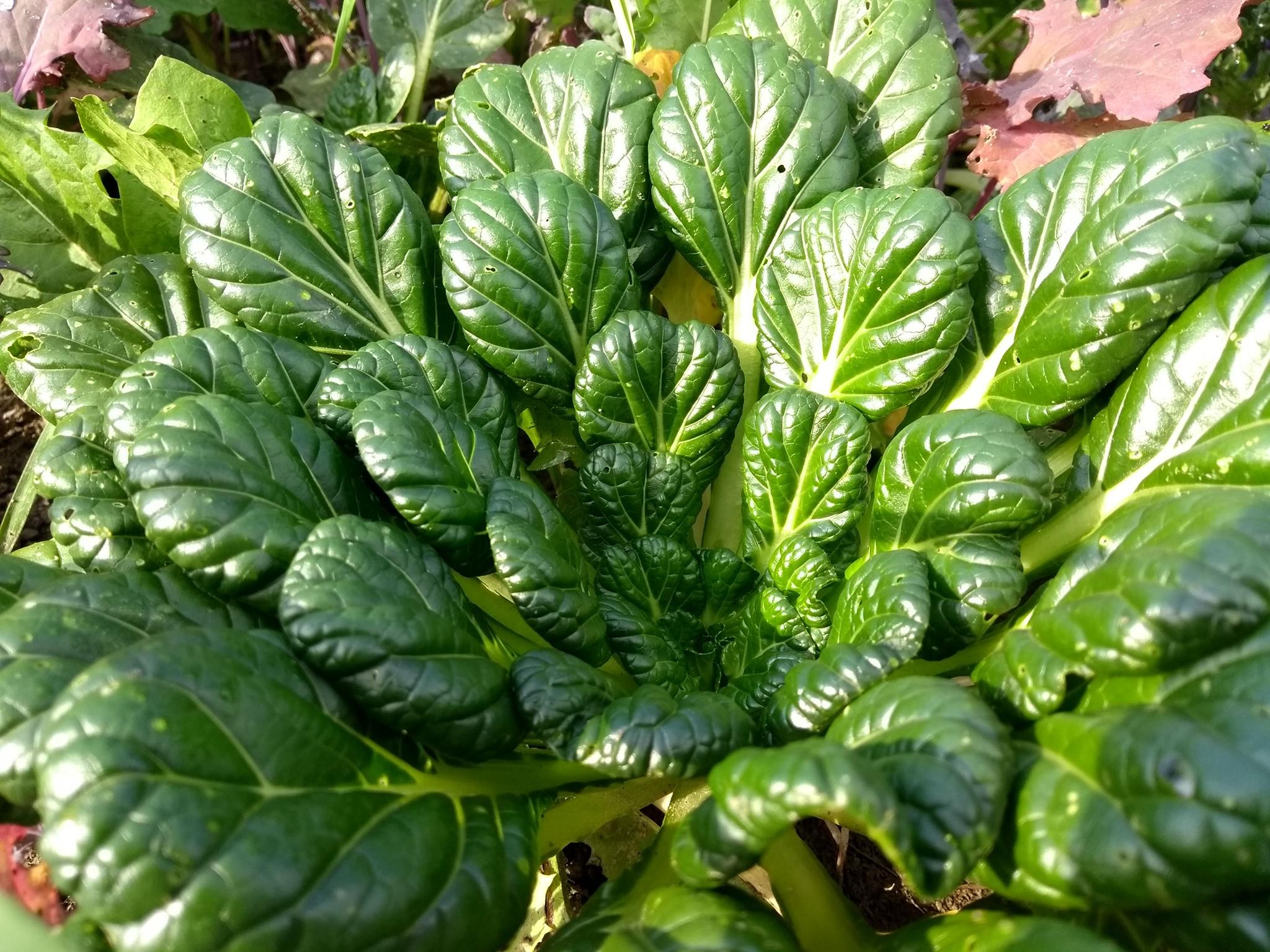
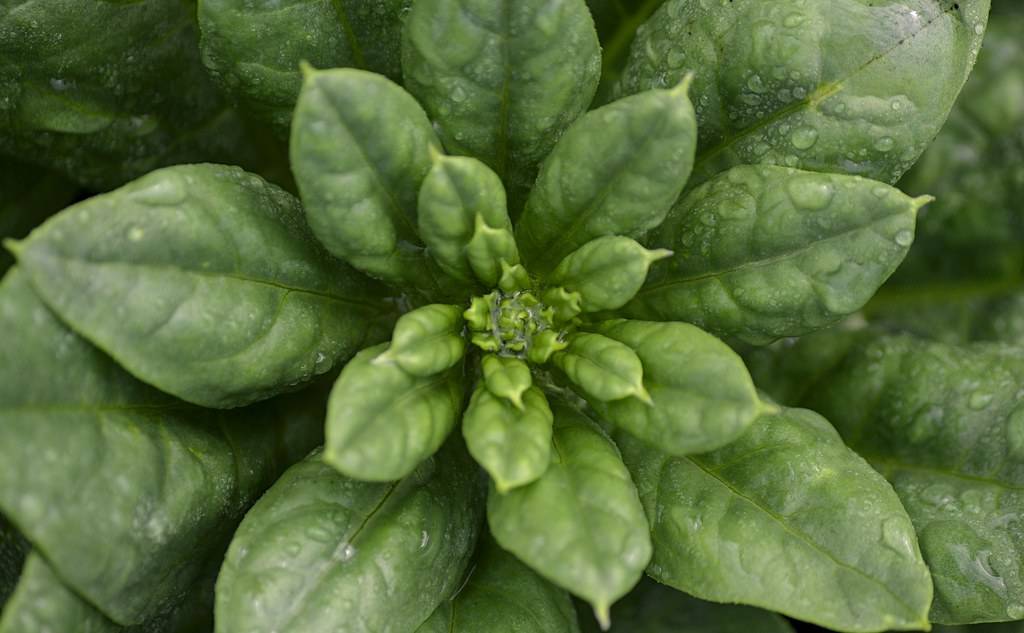
This is the single highest-return task on your September list. Soil temperatures in early September typically sit between 65–75°F (18–24°C) in most zones, which is the sweet spot for germinating lettuce (Lactuca sativa), spinach (Spinacia oleracea), arugula (Eruca vesicaria), and Asian greens like bok choy and tatsoi. Seeds go in now, germinate in 5–7 days with the residual summer warmth, and then grow into the cool weather they actually prefer.
Sow every two weeks through late September for a staggered harvest that lasts well into December in Zones 7–10. In Zones 5–6, get your first sowing in by September 7 to give plants enough time before hard frost. Use shade cloth if daytime temps still push past 85°F (29°C) — bolting is the enemy, and afternoon shade is the fix.

2. Transplant Brassica Starts You Should Have Started in July
If you started broccoli (Brassica oleracea var. italica), cauliflower, cabbage, or kale indoors or in cell trays back in July, they should be 4–6 inches (10–15 cm) tall and ready for their permanent spots. Transplant in the evening or on a cloudy day to reduce shock. Water deeply at planting and mulch around the base with 2–3 inches (5–7 cm) of straw or shredded leaves.
Did not start seeds in July? You can still buy transplants from a local nursery — this is one of the best arguments for connecting with your local plant community. Tendra's Twin Plant Mates feature can help you find nearby gardeners who may have extra seedlings to share or trade. Brassicas need roughly 60–90 days to mature depending on the variety, so September transplants in Zones 7–9 will produce through late fall and into early winter.
3. Plant Garlic Cloves for Next Summer's Harvest
Garlic (Allium sativum) is the ultimate set-it-and-forget-it fall planting. In Zones 3–5, plant cloves 4–6 weeks before your first hard frost — that puts most northern gardeners right in the mid-September window. Zones 6–8 can wait until October, but there is no penalty for planting in September as long as you mulch heavily after the ground freezes.
Choose hardneck varieties like 'Music,' 'German Extra Hardy,' or 'Chesnok Red' for cold climates. Softneck types like 'California Early' or 'Inchelium Red' do better in Zones 7–10. Plant individual cloves 2 inches (5 cm) deep, pointy end up, spaced 6 inches (15 cm) apart. A single head of seed garlic yields 8–12 cloves, which means 8–12 full heads next July. That is a return on investment no other crop can match.
4. Overseed and Feed Your Lawn

For cool-season lawns (fescue, ryegrass, bluegrass), early September is the best overseeding window of the entire year. Soil is warm enough for fast germination, but air temperatures are dropping into the range where grass thrives: 60–75°F (15–24°C) during the day. Mow your existing lawn short — 2 inches (5 cm) or less — rake out thatch, spread seed at the rate on the bag, and top-dress lightly with compost.
Water lightly twice a day until germination (7–14 days for most fescue blends), then back off to deeper, less frequent watering. Apply a starter fertilizer at planting — something with a higher phosphorus number like 10-18-10 — and skip the weed killer. Pre-emergent herbicides will prevent your new grass seed from establishing. You can deal with weeds in spring.
5. Amend and Replenish Tired Garden Beds

Your summer crops pulled a lot of nutrients out of the soil. Before planting anything new, work 2–3 inches (5–7 cm) of finished compost into the top 6 inches (15 cm) of your beds. If you have been growing heavy feeders like tomatoes, peppers, or squash, the soil is likely depleted in nitrogen and potassium. A balanced organic fertilizer (like 4-4-4) scratched into the surface gives fall crops a solid nutritional foundation.
This is also the time to test your soil pH if you have not done it this year. Most vegetables prefer a pH between 6.0 and 7.0. If your pH has drifted below 6.0, work in garden lime at the rate on the package — it takes 4–6 weeks to adjust, so doing it now means your soil will be ready for late-fall and early-spring planting. If pH is above 7.5, sulfur amendments can bring it down, but these also need time to work.
6. Succession-Plant Root Vegetables for Late Fall Harvest
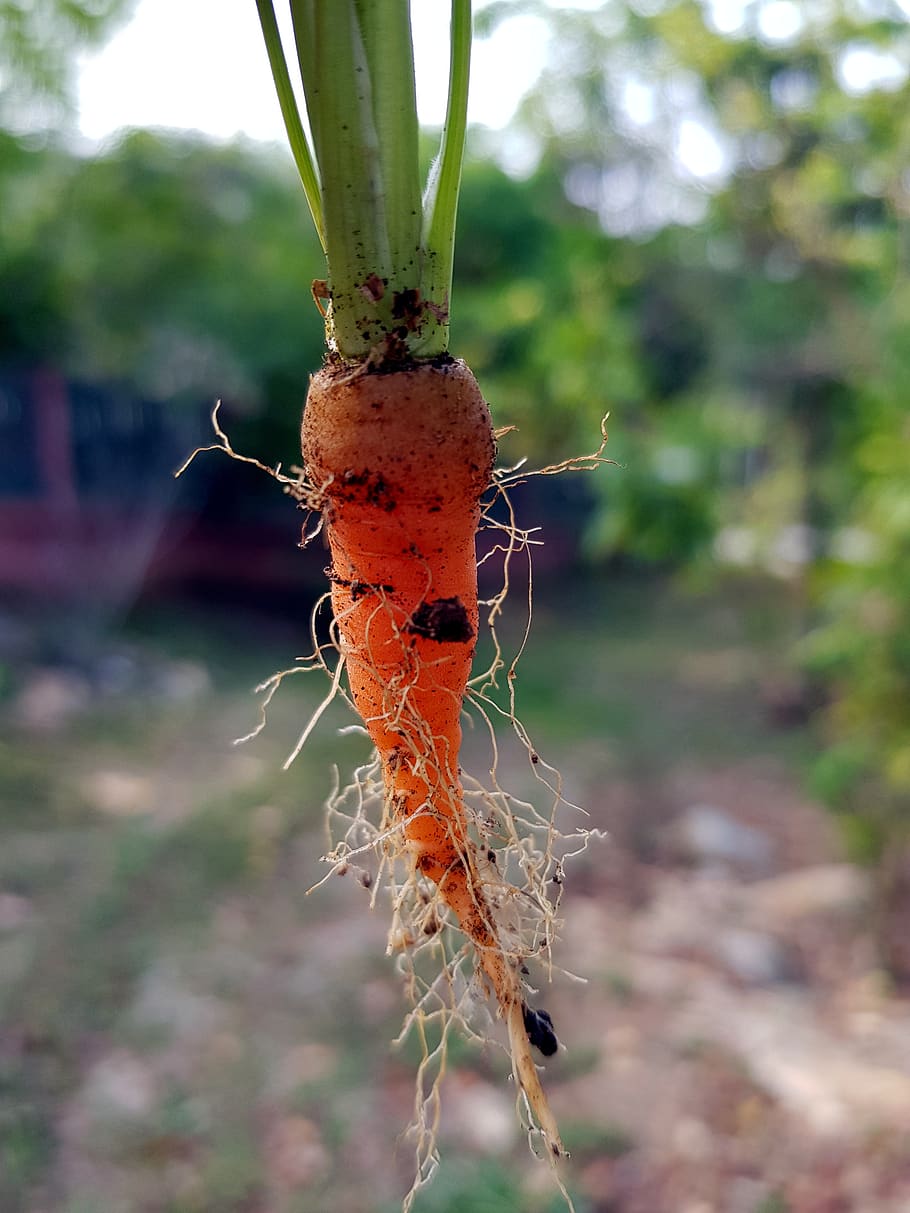
Carrots (Daucus carota), beets (Beta vulgaris), radishes (Raphanus sativus), and turnips (Brassica rapa) all germinate quickly in warm September soil and mature before hard frost in most zones. Radishes are the fastest — 25–30 days from seed to table — making them the perfect fill-in crop for gaps left by spent summer plants.
For carrots, choose shorter varieties like 'Nantes' or 'Chantenay' that mature in 60–70 days rather than the 80+ day main-season types. Sow beets and turnips at the same time; they handle light frost well and actually taste sweeter after a few cold nights convert their starches to sugars. If you already planted root crops using our fall root crops guide, now is the time for your second succession sowing.
7. Divide Overgrown Perennials

September is the ideal month to divide spring- and summer-blooming perennials that have outgrown their space. Hostas, daylilies (Hemerocallis), ornamental grasses, and bee balm (Monarda) all respond well to fall division. Dig the entire clump, split it with a sharp spade or two forks back-to-back, and replant the divisions immediately. Water deeply and mulch.
The key advantage of September division over spring division: roots establish through fall and winter while the plant is dormant above ground, so divisions come back stronger the following spring. You also get free plants — share extras with neighbors or list them on Tendra's Plant Exchange to connect with local gardeners who might want them.
8. Pull Spent Summer Crops (But Not All of Them)
Tomatoes, peppers, beans, and squash plants that have stopped producing are taking up space and potentially harboring disease. Pull them out, but do not just toss them on the compost pile if they showed any signs of blight, powdery mildew, or bacterial spot. Diseased plant material goes in the trash, not the compost — most home compost piles do not reach temperatures high enough to kill pathogens.
But here is the nuance most checklists miss: leave the plants that are still producing. A healthy pepper plant in Zone 7–9 can keep fruiting well into October. Late-season tomatoes that are still setting fruit are worth protecting with row cover when frost threatens. The goal is to clear space for fall planting without pulling the plug on crops that still have something to give. Check the late-summer garden reset guide for a detailed framework on what stays and what goes.
9. Start a Compost Pile with Fall Debris
September kicks off composting season. You are about to have an enormous amount of organic material — pulled summer plants, early leaf drop, spent mulch, grass clippings from that last burst of growth — and all of it is compost gold. Layer green material (nitrogen-rich: fresh plant waste, grass clippings, kitchen scraps) with brown material (carbon-rich: dry leaves, straw, cardboard) at roughly a 1:3 green-to-brown ratio.
If you already have a pile going, turn it now. September temperatures are warm enough to keep microbial activity high, and turning introduces oxygen that accelerates decomposition. A well-managed pile started in September can produce finished compost by March — just in time for spring planting. Keep the pile as moist as a wrung-out sponge and turn it every 2–3 weeks.
10. Plant Spring-Blooming Bulbs
Tulips (Tulipa), daffodils (Narcissus), crocuses (Crocus spp.), hyacinths (Hyacinthus orientalis), and alliums (Allium) all need a chilling period of 12–16 weeks below 45°F (7°C) to bloom. In Zones 3–7, plant bulbs in September through October, 6–8 inches (15–20 cm) deep for large bulbs and 3–4 inches (7–10 cm) for small ones. Always plant pointy end up.
In Zones 8–10 where winters do not provide enough natural chill, buy pre-chilled bulbs or refrigerate your own for 10–12 weeks before planting in late November or December. Pro tip: plant bulbs in clusters of 7–12 rather than single rows for a more natural, impactful display. Mix early, mid, and late-blooming varieties for color that lasts from February through May.
11. Check and Repair Irrigation Before You Forget
Your drip lines, soaker hoses, and sprinkler heads have been running hard all summer. September is the time to walk your system, check for leaks, replace cracked emitters, and adjust timers for the shorter days and cooler temperatures ahead. Most fall crops need less water than summer ones — dropping from daily to every-other-day watering is typical as temperatures cool.
If you are in a region where you need to winterize your irrigation system (Zones 3–6), start planning that now. You will need to blow out the lines before the first hard freeze, and scheduling an appointment with an irrigation company in October means you will not be scrambling in November. For hand-watering gardeners, this is a good time to check hose connections, replace worn washers, and repair any leaky spigots.
12. Apply Fall Mulch Strategically

Mulching in September serves a different purpose than mulching in spring. Spring mulch suppresses weeds and retains moisture. Fall mulch insulates roots, prevents frost heaving, and feeds the soil as it decomposes over winter. Apply 3–4 inches (7–10 cm) of shredded leaves, straw, or bark mulch around perennials, trees, and shrubs, keeping it 2–3 inches (5–7 cm) away from stems and trunks to prevent rot.
Do not mulch newly planted fall crops until they are well established — seedlings need light and air circulation. Wait until plants are 4–6 inches (10–15 cm) tall, then mulch between rows to suppress weeds and moderate soil temperature as nights get colder.
13. Scout for Fall Pests Before They Settle In
Aphids, cabbage loopers, and slugs love the cooling temperatures and tender growth of fall gardens. Check your new transplants daily for the first two weeks — flip leaves over and look for eggs, frass, or feeding damage. Cabbage loopers are especially fond of brassicas, and a single unchecked generation can skeletonize a kale plant in a week.
Use row cover (floating fabric, 0.5 oz weight) over brassicas and leafy greens to physically exclude moths and butterflies from laying eggs. For slugs, iron phosphate bait is organic-approved and effective. For aphids, a hard spray of water from the hose knocks them off; follow up with insecticidal soap if populations bounce back. If you are dealing with powdery mildew on late-season squash, September's cooler nights and morning dew make it worse — remove severely affected leaves and improve airflow around remaining plants.
14. Save Seeds from Your Best Performers
Your best tomatoes, peppers, beans, and herbs have been showing you all summer which plants are the strongest, most productive, and best adapted to your specific conditions. September is when those plants are setting their final fruit, and that is the seed stock you want. Let a few fruits fully ripen past the eating stage — tomatoes should be almost overripe, peppers fully colored and starting to wrinkle, bean pods dry and brown on the plant.
Nick from New York learned this the hard way last year. He had been buying the same 'Cherokee Purple' tomato starts every spring, spending $5 per plant, when the volunteers from dropped fruit in his raised beds were outperforming the nursery transplants. One afternoon of seed saving from his two best plants gave him enough seed for three seasons. He dried the seeds on a paper plate, labeled them with variety name and date, and stored them in a cool, dry spot. Total cost: zero. Tendra's AI plant identification can help you confirm exactly what variety you are saving if the tag got lost during the season — just snap a photo of the fruit.
15. Plan and Map Your Fall and Winter Garden
This is the job everyone skips, and it is the one that makes the biggest difference next year. Grab a notebook or open your phone and map what is growing where right now. Note which beds had disease problems, which crops performed well, where the afternoon shade falls now that the sun angle has changed, and what gaps you have for fall planting.
Rotate your crop families — if tomatoes were in bed 3 this summer, plant brassicas there this fall and plan legumes for that spot next spring. Crop rotation breaks pest and disease cycles, and it costs nothing. Write down your first expected frost date and count backward to figure out which crops still have time. For most Zones 6–7 gardeners, you have roughly 60–75 days of growing season left from September 1. Zone 8–10 gardeners have 90 days or more.
Your September planting guide by zone can help you match specific crops to your remaining growing window.
Bonus: Build a Simple Cold Frame Now
If you want to push your fall harvest into December and beyond, build or buy a cold frame this week — not in November when you actually need it. A cold frame is just a bottomless box with a clear lid (an old window works perfectly) that sits over a garden bed. It traps solar heat during the day and insulates against frost at night, effectively moving your garden one full zone warmer.
Place it over your newly sown greens or transplanted lettuce. On sunny days above 50°F (10°C), prop the lid open to prevent overheating. Close it before sunset. Sam from San Diego may not need one, but gardeners in Zones 4–7 can extend their harvest season by 6–8 weeks with nothing more than a $30 cold frame kit or a repurposed storm window.
The September Mindset: Fall Is a Beginning, Not an End
The biggest mistake gardeners make in September is thinking the season is winding down. It is not. It is pivoting. The crops change, the light changes, the pace changes — but the opportunity is enormous. Cooler temperatures mean fewer pest problems, less watering, and vegetables that taste better because cold-stressed plants concentrate their sugars.
The 15 jobs on this september gardening checklist are not busywork. Each one sets you up for a more productive fall, a healthier spring, and a garden that actually works year-round. Start with the three that matter most for your zone, knock them out this weekend, and build from there.
Discover what your neighbors are planting this fall with Tendra — where local gardeners connect and thrive.