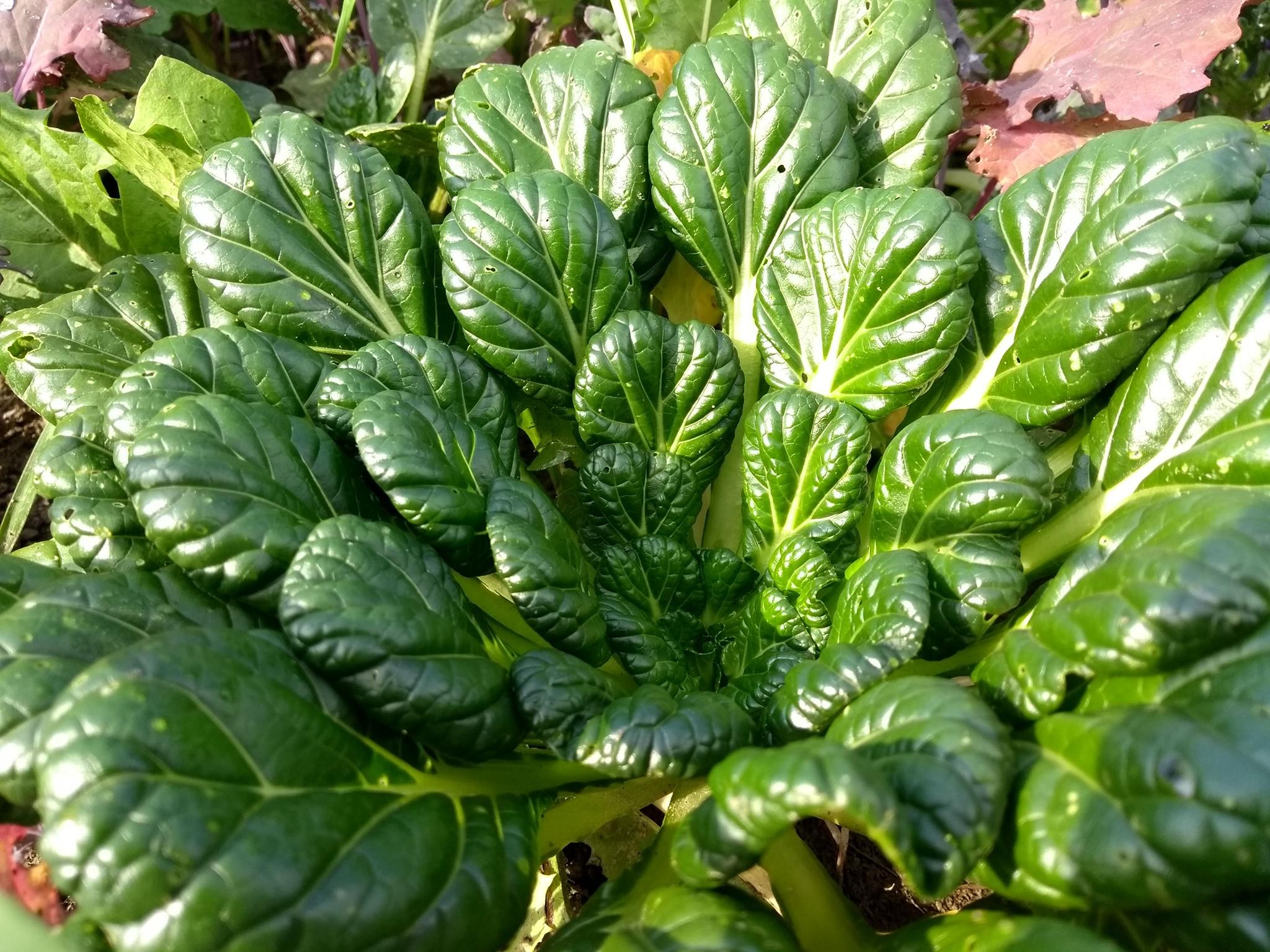
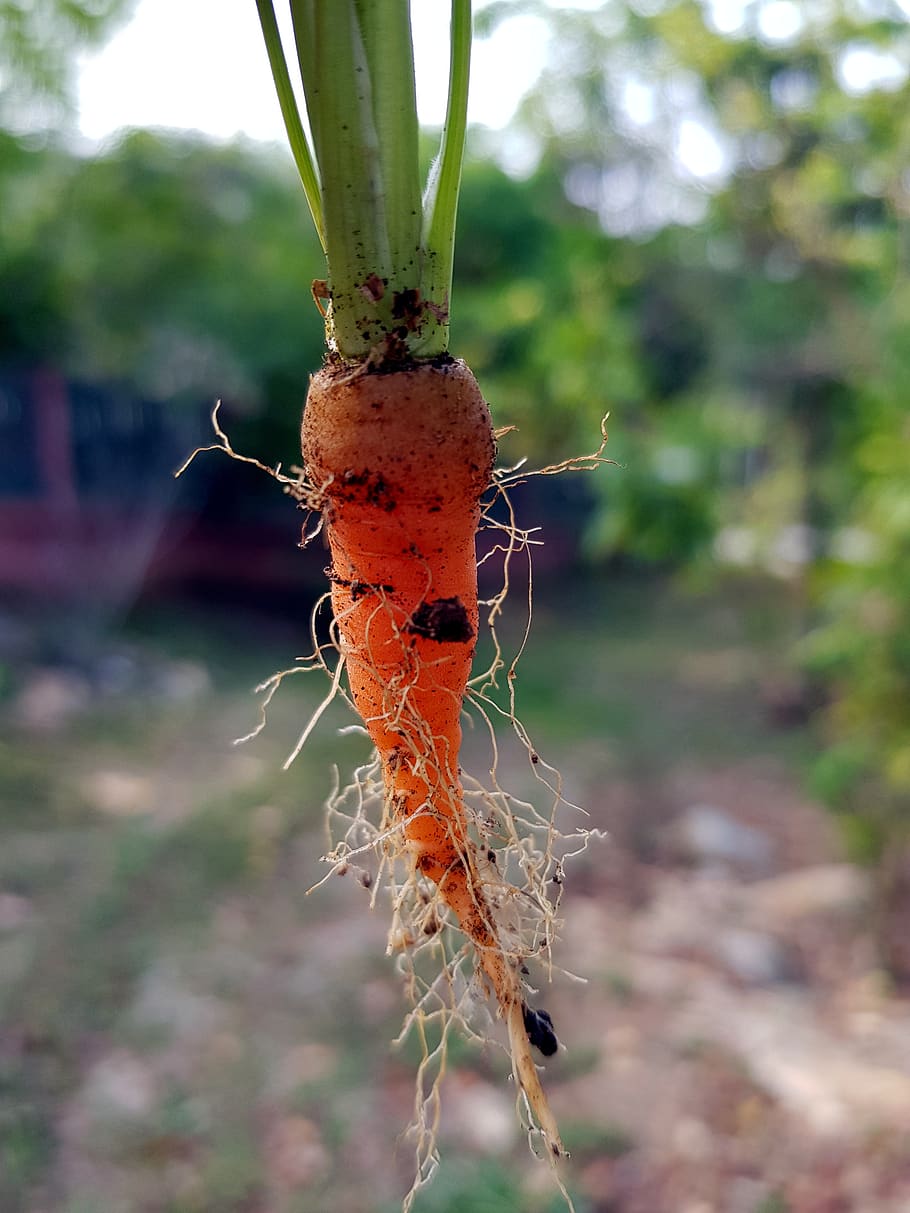
Why Fall Root Vegetables Deserve a Spot in Your Garden Right Now
Late August feels like the wrong time to start anything underground. The soil is warm, the sun is still punishing, and your summer garden looks like it has been through a cage match. But here is the thing most gardeners miss: fall root vegetables actually prefer to start in warm soil and finish in cool weather. That temperature drop concentrates sugars, improves texture, and gives you roots that taste nothing like the waxy supermarket versions you have been settling for.
Carrots, beets, radishes, and turnips are the core four of fall root vegetables, and every one of them can go into the ground right now in USDA zones 5 through 10. Direct-sow them in the next two to three weeks, and you will be pulling crisp, sweet roots well into November — some even through December with a little frost protection. This guide covers germination tricks that actually work in warm soil, the soil texture requirements each crop needs, thinning schedules that prevent stunted roots, and heat protection strategies that keep seedlings alive during those last brutal weeks of summer.

Getting Fall Root Vegetables in the Ground: Timing by Zone
The window for planting fall root vegetables is more forgiving than most gardeners think, but it does depend on your first expected frost date. Count backward from that date using each crop's days-to-maturity, add about two weeks for the slower growth that comes with shortening daylight, and you have your last-chance planting date.
- Zones 3–5: Plant by mid-August. You are likely past the ideal window for long-season carrots, but fast radishes (25–30 days) and baby beets still work through early September.
- Zones 6–7: Plant now through mid-September. Full-size carrots, beets, turnips, and radishes all have time.
- Zones 8–9: You have until early October for most root crops. In fact, September plantings often outperform August ones because soil temperatures have dropped enough for reliable germination.
- Zone 10: Plant from October through December. Your fall root vegetable season is really a winter one, and that is a gift — cooler nights give you outstanding flavor.
If you are not sure about your zone or first frost date, Tendra's climate-specific growing recommendations can dial in the timing for your exact location. The days-to-maturity numbers on seed packets assume spring conditions, so always pad them by 10 to 14 days for fall plantings when daylight hours are shrinking instead of expanding.
Fall Carrots: The Underground Prize Worth Waiting For

Carrots (Daucus carota subsp. sativus) are the most rewarding fall root vegetable and the most demanding to germinate in warm soil. The seeds are tiny, slow to sprout, and dry out fast when surface temperatures climb above 85°F (29°C). But fall-grown carrots that mature through cooling weather convert starches to sugars as a natural antifreeze response, producing roots that taste dramatically better than anything planted in spring.
Germination Tricks for Warm Soil
Carrot germination in August requires moisture management, not luck. The seed needs consistent moisture in the top 1/4 inch (6 mm) of soil for 7 to 14 days — and in summer heat, that surface layer dries in hours.
- Board method: Sow seeds, water thoroughly, then lay a flat board or piece of plywood directly on the row. Check daily. Remove the board the instant you see white root tips poking through the soil surface. This holds moisture and drops soil temperature by 5–10°F (3–6°C).
- Burlap or shade cloth: Drape a single layer of burlap or 30% shade cloth over the row and water through it twice daily. Remove once seedlings are up.
- Pre-sprout on paper towels: Spread seeds on damp paper towels inside a zip-lock bag. Keep at room temperature (not direct sun). When you see tiny white radicles at 5 to 7 days, carefully transfer to the furrow. This eliminates the riskiest phase entirely.
Soil Texture Matters More Than Fertility
Carrots fork, split, and stunt in compacted or rocky soil. Before planting, work the top 12 inches (30 cm) until it is loose enough to push your entire hand into without resistance. If your soil is heavy clay, either build a raised bed with a sandy loam mix or choose shorter varieties.
Variety picks for fall: 'Napoli' (58 days, reliable in warm soil), 'Yaya' (56 days, consistent shape), 'Bolero' (75 days, excellent storage carrot for longer-season zones), and 'Mokum' (54 days, fast and sweet). For clay or shallow beds, try 'Chantenay Red Core' or 'Atlas' — both produce short, chunky roots that handle dense soil.
Thinning: The Step Everyone Skips
Thin carrots ruthlessly. When seedlings reach 2 inches (5 cm) tall, thin to 1 inch (2.5 cm) apart. Two weeks later, thin again to 2–3 inches (5–8 cm) apart. Every carrot you leave too close to its neighbor ends up finger-thin and twisted. Use scissors to snip at soil level instead of pulling — disturbing the roots of neighboring seedlings causes them to fork.
Fall Beets: Dual-Purpose Roots and Greens

Beets (Beta vulgaris) are more forgiving than carrots in warm soil, germinate faster, and give you two crops in one: the roots and the nutrient-dense greens. Fall beets planted now will be ready in 50 to 65 days, and light frosts actually improve their flavor by triggering the same sugar-concentration response that makes fall carrots so good.
The Multi-Germ Seed Problem
Most beet "seeds" are actually dried fruit clusters containing 2 to 4 individual seeds. This means every spot you plant will produce a clump of seedlings that must be thinned. Plant clusters 2 inches (5 cm) apart, then thin to 4 inches (10 cm) between plants once seedlings have their first true leaves. If you want to avoid the thinning chore, look for monogerm varieties like 'Moneta' — each seed produces exactly one plant.
Soil and Moisture Needs
Beets tolerate a wider range of soil types than carrots but still perform best in loose, well-drained ground with a pH between 6.0 and 7.5. They are sensitive to boron deficiency, which causes internal black spots called "black heart." A light application of borax (1 tablespoon per 100 square feet / 9 square meters, dissolved in water) before planting prevents this. Do not over-apply — boron toxicity is worse than deficiency.
Keep soil consistently moist but not waterlogged. Beets that go through dry-wet cycles develop woody rings inside the root. Mulch with 2 inches (5 cm) of straw or shredded leaves once seedlings are 3 inches (8 cm) tall to stabilize moisture and keep soil cooler.
Variety picks for fall: 'Detroit Dark Red' (55 days, the standard), 'Chioggia' (55 days, candy-striped interior, milder flavor), 'Cylindra' (60 days, cylindrical shape slices into uniform rounds), and 'Bull's Blood' (55 days, grown primarily for its stunning dark red greens but produces respectable roots too).
Fall Radishes: The Instant Gratification Crop

Radishes (Raphanus sativus) are the fastest root vegetable you can grow, with spring types ready in 22 to 30 days and winter storage types (daikon, watermelon radish, black Spanish) maturing in 50 to 70 days. Fall is actually the better season for radishes — spring plantings often bolt and turn woody before roots size up, but the shortening days and cooling temperatures of fall produce crisp, mild-flavored roots with none of the harsh bite.
Two Categories, Two Strategies
Spring/salad radishes ('Cherry Belle', 'French Breakfast', 'Easter Egg'): Sow every 10 days for continuous harvest. Plant 1/2 inch (1.3 cm) deep, 1 inch (2.5 cm) apart. Thin to 2 inches (5 cm). These are done so fast that you can succession-plant them between rows of slower crops like carrots and beets.
Winter/storage radishes ('Miyashige' daikon, 'Watermelon', 'Black Spanish Round'): These need more space and time. Plant 1/2 inch (1.3 cm) deep, then thin to 4–6 inches (10–15 cm) apart. Daikon types send roots 12–18 inches (30–45 cm) deep, so they need the same loose, worked soil that carrots demand. The payoff is roots that store for months in a cold cellar or refrigerator crisper drawer.
Heat Protection for Radish Seedlings
Radish seeds germinate in 3 to 7 days even in warm soil, but the seedlings are vulnerable to heat stress in the first week above ground. If daytime temperatures are still above 90°F (32°C), rig a temporary shade cloth canopy at 30–40% density, positioned 12 inches (30 cm) above the row. Remove it once highs drop below 85°F (29°C) or the plants have four true leaves, whichever comes first.
Nick from New York learned the storage radish game by accident. He planted a row of 'Miyashige' daikon in early September, forgot about it for two months, and pulled out roots the size of his forearm in November. "I almost composted the row because I thought nothing was happening," he says. "The greens were modest, but underground it was going berserk." He now dedicates an entire 4x8-foot (1.2x2.4 m) raised bed to fall daikon every year and stores enough to last through February.
Fall Turnips: The Overlooked Root That Outperforms

Turnips (Brassica rapa subsp. rapa) are probably the most underrated fall root vegetable. They germinate in 3 to 5 days, tolerate heat better than most brassicas, grow fast enough to harvest in 35 to 60 days, and produce greens that are as nutritious as kale. Fall-planted turnips develop a mild, slightly sweet flavor that bears no resemblance to the bitter, woody things people associate with the name.
Why Fall Turnips Taste Different
Most people who dislike turnips have only eaten spring- or summer-grown ones that matured in heat. Turnip roots get bitter and develop a spongy, pithy texture when temperatures stay above 80°F (27°C) during the bulking phase. Fall plantings mature as temperatures decline, which keeps the flesh dense, smooth, and mildly sweet. A light frost or two makes them even better — the plant converts starch to sugar to protect its cells, the same process that makes parsnips and carrots sweeter after frost.
Planting and Spacing
Sow turnip seeds 1/4 to 1/2 inch (6–13 mm) deep, then thin to 4–6 inches (10–15 cm) apart once seedlings have two true leaves. If you are growing them primarily for greens, you can space them as close as 2 inches (5 cm) — just harvest the leaves young and do not expect large roots.
Turnips are not fussy about soil type compared to carrots, but they do need adequate phosphorus for root development. If your soil test shows low phosphorus, work in bone meal at planting time. Avoid high-nitrogen fertilizers, which push leaf growth at the expense of roots.
Variety picks for fall: 'Hakurei' (38 days, Japanese salad turnip, eat raw or cooked, tender greens), 'Purple Top White Globe' (55 days, the classic, stores well), 'Scarlet Queen' (43 days, bright red skin, white flesh), and 'Golden Ball' (60 days, yellow flesh, one of the sweetest varieties available).
Greens as a Bonus Crop
Do not overlook turnip greens. Nutritionally, they outperform most salad greens — high in vitamins A, C, and K, plus calcium and iron. Harvest outer leaves when they reach 4–6 inches (10–15 cm) long, leaving the inner rosette to keep feeding the root. You can start picking greens as early as 3 weeks after planting, which gives you something to eat while you wait for the roots to size up.
Soil Preparation for All Fall Root Vegetables
Root crops are the most honest indicator of your soil quality. Every rock, clay clod, and compacted layer shows up as a forked, stunted, or misshapen root. Investing 30 minutes in bed prep before planting saves weeks of disappointment.
- Loosen deep: Work soil to at least 12 inches (30 cm) for carrots and daikon radishes, 8 inches (20 cm) for beets and turnips. A broadfork works better than a rototiller because it breaks compaction without destroying soil structure.
- Remove debris: Rake out every rock, stick, and old root you find. Even a pebble the size of a marble will cause a carrot to fork around it.
- Amend for texture, not fertility: If soil is heavy, mix in coarse sand or aged compost (not fresh — fresh compost causes forking). Do not add fresh manure, which burns roots and promotes excessive leaf growth.
- Test pH: Root crops generally prefer 6.0 to 7.0. If your pH is below 5.8, lime the bed two weeks before planting.
For gardeners using Tendra, the community forums are a solid place to ask local growers what soil amendments work in your specific area. Sandy coastal soils, heavy Piedmont clay, and desert caliche all need different approaches, and someone nearby has already figured it out.
Beating the Heat: Protecting Seedlings in Late Summer
The biggest challenge with August-sown fall root vegetables is keeping seedlings alive through the tail end of summer. Soil temperatures above 95°F (35°C) kill carrot and beet seedlings outright, and even radishes and turnips struggle above 90°F (32°C).
Practical Heat Protection Strategies
- Shade cloth (30–40%): Drape over hoops or stakes 12–18 inches (30–45 cm) above the bed. This drops soil surface temperature by 8–15°F (4–8°C) and reduces water evaporation. Remove it in mid-September or when highs stay below 85°F (29°C).
- Mulch after germination: Once seedlings are 2 inches (5 cm) tall, mulch with 2 inches (5 cm) of straw, shredded leaves, or grass clippings (untreated). This insulates the soil and holds moisture. Do not mulch before germination — it blocks light and can harbor slugs.
- Water smart: Water in the early morning, not the afternoon. Morning watering gives seedlings moisture before the heat peak. Afternoon watering on hot soil can actually steam delicate roots. Aim for 1 inch (2.5 cm) per week, applied in two to three deep soakings rather than daily sprinkles.
- Companion shading: If you have tall summer crops (tomatoes, corn, sunflowers) that are still producing, plant root crop rows on their east or north side where they will get afternoon shade naturally.
Succession Planting: Extend Your Harvest for Months
One sowing gives you one harvest window. Multiple sowings give you continuous fresh roots from October through January in milder climates. Here is a practical succession schedule:
- Late August (now): Sow carrots, beets, storage radishes, and turnips.
- Mid-September: Sow a second round of beets, salad radishes, and turnips. Add another carrot planting in zones 8–10.
- Early October (zones 8–10 only): Final sowing of radishes and turnips. These will mature in cooler weather and can be extended with row cover.
Label each sowing with the date and variety. It sounds obvious, but three rows of carrot seedlings all look identical at two weeks old, and you will want to know which is which when harvest time comes. Tendra's plant tracking features can help keep things organized — log each sowing with variety, date, and location so you are not relying on memory or garden stakes that blow away in a storm.
Harvest Timing and Frost Protection
One of the best things about fall root vegetables is that they are not on a hard deadline. Unlike summer crops that rot if you leave them a week too long, roots can sit in cool soil for weeks past maturity without losing quality — in fact, they often improve.
- Carrots: Harvest anytime after they reach finger thickness. For maximum sweetness, wait until after the first light frost (28–32°F / -2–0°C). Mulch heavily and they will hold in the ground through winter in zones 6 and warmer.
- Beets: Pull when roots are 2–3 inches (5–8 cm) in diameter. Larger beets become woody. They tolerate light frost but not hard freezes.
- Radishes (spring types): Harvest as soon as they size up — they go from perfect to pithy in just a few days. Do not leave them hoping they will get bigger.
- Radishes (winter types): Harvest after the first frost for best flavor. Daikon stores for months in the fridge. Watermelon radish holds in the ground with mulch protection.
- Turnips: Harvest small for salad use (2 inches / 5 cm) or let them reach full size (3–4 inches / 8–10 cm). Greens can be picked continuously starting at 3 weeks.
For frost protection beyond light frosts, use floating row cover (Reemay or Agribon AG-19) draped over hoops. A single layer protects to about 28°F (-2°C). Double it for protection to 24°F (-4°C). Carrots and turnips under row cover in zones 6 and 7 can be harvested fresh through Christmas.
Common Mistakes With Fall Root Vegetables
After talking with dozens of gardeners in the Tendra community, the same mistakes come up again and again:
- Planting too deep: Carrot and radish seeds go 1/4 to 1/2 inch (6–13 mm) deep, max. Bury them an inch down and they will never emerge.
- Skipping thinning: This is the number-one reason for disappointing roots. Crowded plants compete underground and nobody wins. Thin early, thin ruthlessly.
- Watering too shallow: A quick sprinkle wets the surface and encourages roots to grow sideways instead of down. Water deeply and less frequently.
- Ignoring pests: Flea beetles chew holes in radish and turnip leaves. Carrot rust fly larvae tunnel into carrot roots. Row cover at planting time prevents both — it is the single best pest management tool for root crops.
- Harvesting too late (spring radishes): Unlike the other roots here, spring radishes have a very narrow harvest window. Check them daily once they hit 20 days.
Start Your Fall Root Vegetable Garden This Weekend
Here is your action plan. This weekend, pick a bed that gets at least 6 hours of direct sun. Fork it to 12 inches (30 cm). Rake it smooth. Sow a row of carrots, a row of beets, a row of radishes, and a row of turnips, each labeled with variety and date. Set up shade cloth if your area is still hitting highs above 90°F (32°C). Water thoroughly and keep the surface moist until germination.
In three weeks, you will be thinning seedlings. In six weeks, you will be pulling your first radishes. By November, you will be harvesting carrots and beets that taste better than anything at the farmers market — because you grew them in the season they actually prefer.
Discover Tendra's local growing community and climate-specific planting tools — where gardeners connect and thrive, one root at a time.