September Is the Real Start of the Growing Season
Here is a fact that surprises new gardeners every single year: September is one of the most productive planting months on the calendar. While everyone else is posting "end of summer" content and pulling spent tomato vines, experienced growers in zones 7 through 10 are doing something completely different — they are filling beds with the crops that actually prefer cooler soil and shorter days.
If you have been wondering what to plant in September, the answer depends almost entirely on where you garden. A September day in South Carolina feels nothing like a September day in the Pacific Northwest, and your planting list should reflect that. This guide breaks it down by USDA hardiness zone so you can skip the guesswork and get seeds and transplants into the ground at exactly the right time for your climate.
Whether you are in California, Texas, the Southeast, or the mid-Atlantic, September gives you a window that closes fast. The crops you start now — leafy greens, root vegetables, brassicas, alliums, cover crops — will carry your garden through November, December, and in some zones, straight into spring.

How to Use This September Planting Map
This guide is organized by USDA hardiness zone because that is the most reliable way to match planting dates to your local conditions. Your zone tells you when the first fall frost typically arrives, and that date drives everything — which crops still have time to mature, which ones need protection, and which ones actually need cold to develop their best flavor.
If you are not sure which zone you garden in, Tendra's climate-specific variety selection can match your location to the right zone automatically. But here is a quick reference for the regions this post covers:
- Zone 7 (avg first frost: mid-October to early November) — Parts of Virginia, North Carolina, Tennessee, Oklahoma, northern Texas
- Zone 8 (avg first frost: late November to mid-December) — Central Texas, most of South Carolina, coastal North Carolina, parts of Georgia, the Gulf Coast
- Zone 9 (avg first frost: late December to mid-January) — Central and Southern California, Houston, southern Arizona, central Florida
- Zone 10 (avg first frost: rare or never) — South Florida, coastal Southern California, Los Angeles basin, Hawaii
For each zone, you will find three categories: direct sow (seeds straight into the ground), transplant (seedlings started earlier or bought from a nursery), and plan ahead (crops to start indoors now for planting in October or November).
Zone 7: Your Last Big Window Before Frost

Zone 7 gardeners feel the urgency in September more than anyone else on this list. Your first frost can arrive as early as mid-October in colder pockets, which means you are working with roughly 45 to 60 days of growing time for anything you plant right now. That is enough — but only if you choose the right crops and do not waste the first week of the month.
Direct Sow in Zone 7 (First Two Weeks of September)
- Lettuce — Loose-leaf and butterhead varieties mature in 30 to 45 days. Sow every 10 days for continuous harvest. Varieties like 'Salanova' and 'Red Sails' handle light frost well.
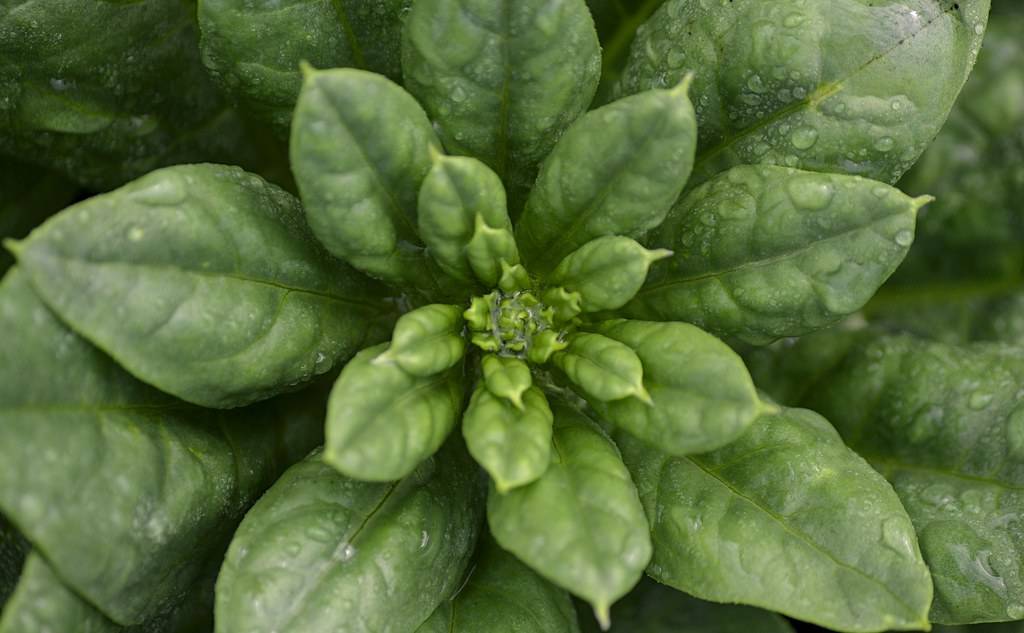
- Spinach (Spinacia oleracea) — Direct sow now for harvest before hard frost. 'Bloomsdale Long Standing' and 'Space' are reliable. Spinach germinates poorly above 85°F (29°C), so wait for a cooler stretch if your soil is still hot.
- Radishes — 'Cherry Belle' and 'French Breakfast' mature in 25 to 30 days. Daikon types like 'Miyashige' need 50 to 60 days — sow those in the first week.
- Turnips (Brassica rapa) — 'Hakurei' and 'Purple Top White Globe' mature in 35 to 55 days. Harvest young for tender greens and roots. Plant 1/2 inch (1.3 cm) deep, 2 inches (5 cm) apart.
- Arugula (Eruca vesicaria) — Bolt-resistant in cool weather. Matures in 21 to 40 days. Succession sow every two weeks.
- Cilantro (Coriandrum sativum) — Finally stops bolting in fall. Direct sow and keep moist until germination.
- Peas — 'Sugar Snap' and 'Oregon Sugar Pod II' can produce a fall harvest if planted in the first week of September. They need 55 to 70 days, so this is tight — worth the gamble if you love fresh peas.
Transplant in Zone 7
- Broccoli (Brassica oleracea var. italica) — Transplant seedlings started in July or August. 'Waltham 29' and 'De Cicco' produce side shoots after the main head is cut.
- Kale — 'Lacinato' (dinosaur kale) and 'Winterbor' survive hard frost and taste sweeter after cold exposure. Transplant 18 inches (46 cm) apart.
- Cabbage — Early varieties like 'Gonzales' (mini heads, 55 days) are your safest bet. Full-size storage types may not have time.
- Collard greens — Hardy to 20°F (−7°C). Transplant now for harvest through December.
Plan Ahead (Start Indoors Now)
- Garlic — Order seed garlic now for October planting. 'Music' (hardneck) and 'Inchelium Red' (softneck) perform well in zone 7. You need the cloves in hand before the ground temperature drops below 50°F (10°C).
- Onion sets — Short-day varieties for spring harvest should be planted in October. Order now.
Zone 8: The Sweet Spot for Fall Planting

Zone 8 is where September planting gets genuinely exciting. Your first frost does not arrive until late November or even mid-December, which means you have 75 to 100+ days of growing time. That is enough for nearly every cool-season crop to reach full maturity, and you can succession sow well into October.
This is where gardeners in central Texas, most of South Carolina, and the Gulf Coast region have a real advantage. The heat is finally breaking — September highs drop from the 90s into the 80s and then 70s — and cool-season crops that would bolt instantly in August suddenly thrive.
Direct Sow in Zone 8
- Everything listed for zone 7, plus more time for succession planting
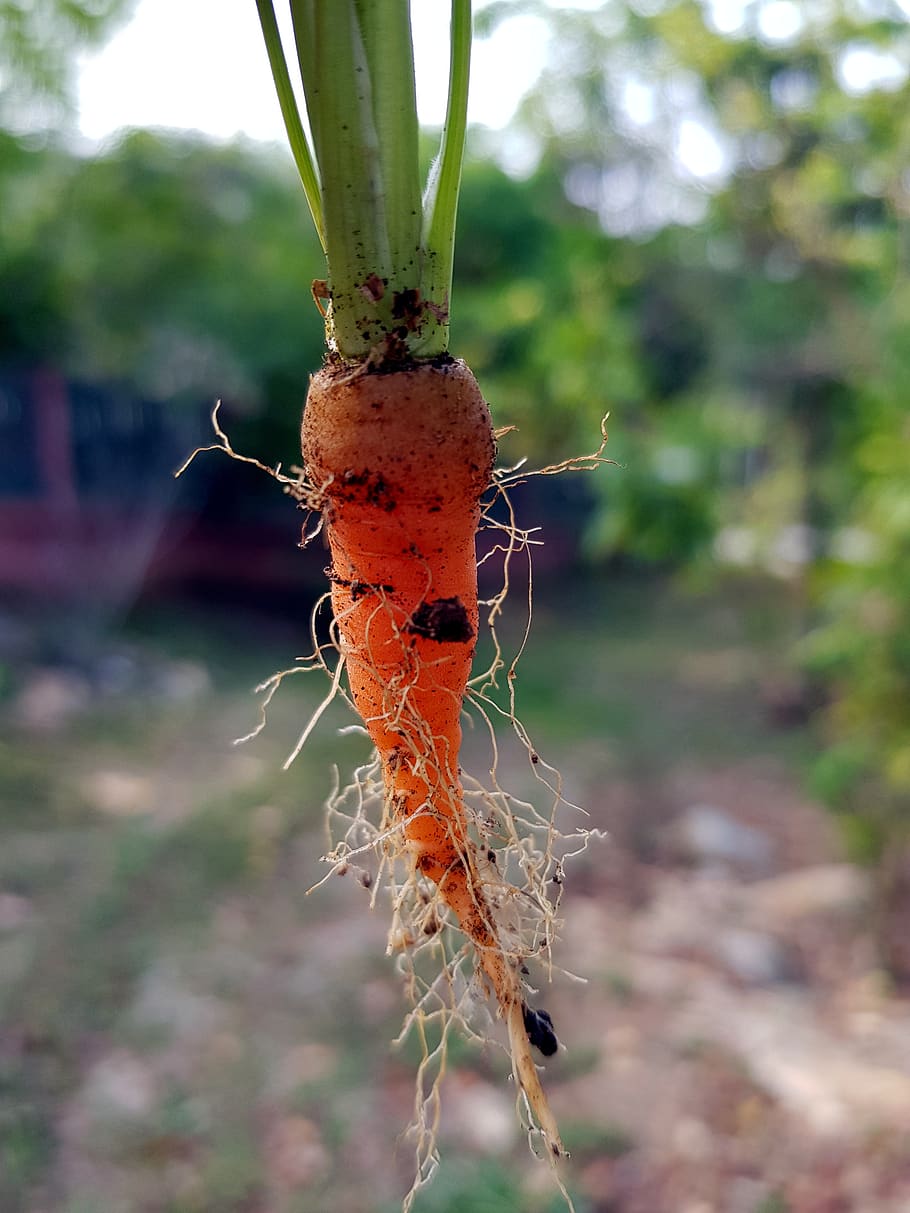
- Carrots (Daucus carota) — 'Nantes' and 'Danvers 126' mature in 65 to 75 days. Sow in well-worked, stone-free soil at least 12 inches (30 cm) deep. Keep the seedbed consistently moist for the 10 to 21 day germination period.
- Beets (Beta vulgaris) — 'Detroit Dark Red' and 'Chioggia' mature in 55 to 65 days. Soak seeds overnight before planting for faster germination. Plant 1 inch (2.5 cm) deep, 3 inches (7.5 cm) apart.
- Swiss chard — 'Bright Lights' and 'Fordhook Giant' are cold-hardy and productive from October through spring in zone 8. Direct sow or transplant.
- Kohlrabi (Brassica oleracea var. gongylodes) — Often overlooked, but 'Winner' and 'Kolibri' mature in 45 to 60 days and handle light frost easily. Harvest when bulbs reach 2 to 3 inches (5 to 7.5 cm) in diameter.
- Mustard greens — 'Southern Giant Curled' and 'Mizuna' are fast producers. Direct sow for cut-and-come-again harvests starting in 30 days.
Transplant in Zone 8
- Broccoli, cauliflower, cabbage, and kale — You have time for full-size heads. Transplant in the first half of September. 'Snow Crown' cauliflower needs 50 to 55 days from transplant.
- Brussels sprouts (Brassica oleracea var. gemmifera) — If you started seeds in July, transplant now. They need 80 to 100 days and frost improves their flavor dramatically.
- Strawberries — September is the ideal transplanting month for June-bearing varieties in zone 8. Plants establish roots through fall and produce fruit the following spring. 'Chandler' and 'Camarosa' perform well in the Southeast and Texas.
Plan Ahead
- Garlic — Plant cloves in October or November. In zone 8, softneck varieties like 'California Early' and 'Silver White' outperform hardnecks because they need less chill time.
- Cover crops — Crimson clover (Trifolium incarnatum) and winter rye (Secale cereale) should be sown in late September to early October in empty beds. They fix nitrogen, prevent erosion, and improve soil structure over winter.
Zone 9: California, Houston, and the Extended Fall Garden
 California garden with Mediterranean-style beds and cool-season seedlings being planted in amended soil" width="800" loading="lazy">
Zone 9 flips the calendar. If you garden in Los Angeles, the Central Valley, Houston, or southern Arizona, September is not the end of anything — it is the beginning of your most productive season. Frost rarely arrives before late December or January, giving you 90 to 130+ days of growing time. Many zone 9 gardeners produce more food from September through March than they do in the traditional spring-to-summer season.
What to Plant in September in California and Los Angeles
Southern California gardeners, especially in the Los Angeles basin, have a microclimate advantage that most of the country envies. Your September soil temperatures are dropping from the mid-80s into the 70s — still warm enough for fast germination but cool enough that lettuce, spinach, and other greens stop bolting.
- Everything in zones 7 and 8, with more generous timing
- Snap and snow peas — 'Super Sugar Snap' and 'Oregon Giant' thrive in California's mild fall. Direct sow in September for November harvest. Install trellising at planting time — 6 feet (1.8 m) for tall varieties.
- Cauliflower — 'Amazing' and 'Cheddar' (orange cauliflower) transplant beautifully in September. Cauliflower is notoriously fussy about temperature swings, but zone 9's gradual fall cooling gives it the stability it craves.
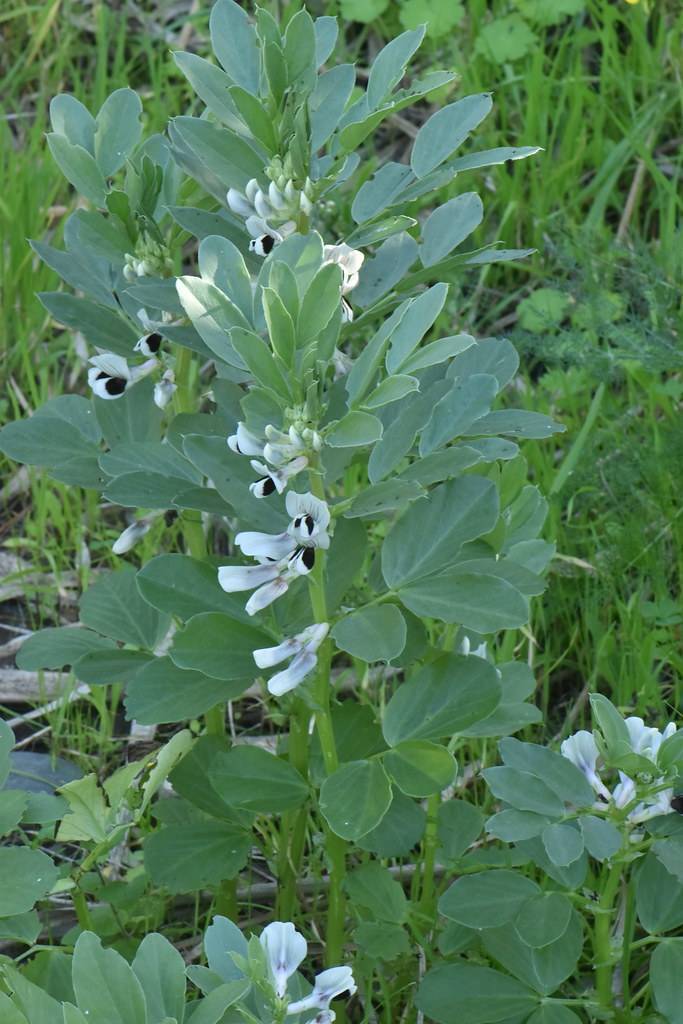
- Fava beans (Vicia faba) — A California fall garden staple. Direct sow 1 to 2 inches (2.5 to 5 cm) deep, 6 inches (15 cm) apart. They fix nitrogen and produce edible beans from winter through early spring. 'Windsor' and 'Aquadulce Claudia' are proven performers.
- Fennel (Foeniculum vulgare) — Both bulbing fennel ('Orion') and herb fennel do well when direct sown in September. Bulbing types need 70 to 80 days.
- Parsley (Petroselinum crispum) — Flat-leaf 'Italian Giant' and curly varieties alike. Germination is slow (14 to 28 days), so be patient and keep the soil moist.
What to Plant in September in Texas (Zone 9 Areas)
Houston and the Texas Gulf Coast share zone 9 conditions but with significantly higher humidity than California. That humidity affects disease pressure, so choose mildew-resistant varieties and space plants for airflow.
- Tomatoes (yes, again) — This is unique to Texas zone 9. Many Houston gardeners start a second round of determinate tomatoes in September for a November-December harvest. 'Celebrity', 'HeatMaster', and 'Solar Fire' handle the transition. It is a gamble, but when it works, the results are exceptional.
- Peppers — Existing pepper plants often get a second wind in September as nighttime temperatures drop. Prune them back by a third, fertilize, and they will produce again before first frost.
- Southern peas — 'Pinkeye Purple Hull' and 'Mississippi Silver' still have time if planted in the first week of September.

Zone 10: Year-Round Growing With a September Reset

Zone 10 gardeners — South Florida, coastal Southern California, and Hawaii — almost never see frost. September is less about racing against cold and more about taking advantage of the heat finally backing off from its summer peak. Your challenge is not frost; it is hurricane season (Southeast), lingering heat, and pest pressure from the warm months.
Direct Sow and Transplant in Zone 10
- All cool-season greens — Lettuce, spinach, arugula, kale, collards, Swiss chard. These are your bread and butter from September through April in zone 10. Succession sow every two weeks.
- Herbs — Cilantro, dill (Anethum graveolens), parsley, and chervil (Anthriscus cerefolium) all prefer cooler weather and will bolt less in fall. September is their ideal start date.
- Tomatoes and peppers — Unlike colder zones, zone 10 starts its main tomato and pepper season in September and October. 'Everglades' cherry tomatoes, 'Tropic VFN', and 'Solar Fire' are disease-resistant choices for the Southeast. Plant transplants now for winter harvests.
- Squash and cucumbers — Yes, you can still start summer crops in September. Bush varieties of zucchini and yellow squash, plus 'Marketmore 76' cucumbers, have time to produce before even your mild winter slows them down.
- Beans — Bush beans like 'Contender' and 'Provider' produce in 50 to 55 days. Pole beans need supports but yield more over time.
- Root crops — Carrots, beets, radishes, and turnips all go in now. In zone 10, you can direct sow these through November.
Unique to Zone 10
- Sweet potatoes — If you did not plant slips in spring, September is your last chance in South Florida. They need 90 to 120 days of warm soil.
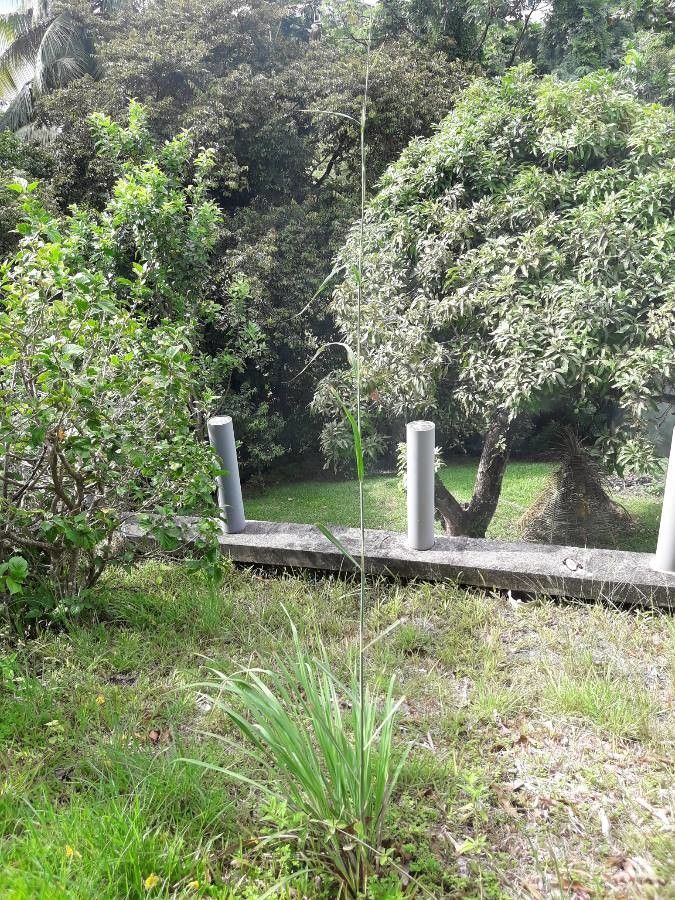
- Tropical herbs — Lemongrass (Cymbopogon citratus), Thai basil, and culantro (Eryngium foetidum) thrive year-round in zone 10 but establish best when planted in early fall.
- Strawberries — October planting is traditional in Florida, but September transplanting works if you can keep them irrigated through the last heat spikes. 'Florida Beauty' and 'Sweet Sensation' are bred for this climate.
September Soil Prep: The Step Everyone Skips
No matter which zone you garden in, September planting fails without soil preparation. After a full summer of heavy-feeding crops, your soil is likely depleted, compacted, or both. Here is what to do before a single seed goes in:
- Clear spent summer crops. Pull dead or declining plants. If they had disease (blight, mildew, wilt), bag and discard them — do not compost.
- Amend the soil. Add 2 to 3 inches (5 to 7.5 cm) of finished compost and work it into the top 6 to 8 inches (15 to 20 cm). This is the single most impactful thing you can do for fall crops.
- Test your pH. Most vegetables prefer 6.0 to 7.0. After a summer of fertilizing, your soil pH may have shifted. A simple test kit costs a few dollars and saves you from growing in hostile soil.
- Water deeply before planting. September soil can be bone-dry below the surface, especially in California and Texas. Water beds thoroughly 24 to 48 hours before sowing or transplanting so moisture is available at root depth.
- Mulch after planting. Straw, shredded leaves, or wood chips keep soil temperatures stable and retain moisture. Apply 2 to 3 inches (5 to 7.5 cm) but keep mulch away from plant stems to prevent rot.
If your soil is heavy clay or very sandy, September is also a good time to build or refresh raised beds. A 50/50 mix of quality topsoil and compost gives fall crops an ideal growing medium.
Nick from New York's September Lesson
Nick gardens in zone 7b, just outside the city, where September can still feel like summer during the day but drops into the 50s at night. Two years ago, he almost skipped fall planting entirely because he assumed the season was over after his tomatoes finished.
"I planted lettuce, spinach, and radishes on September 8th, mostly as an experiment," he says. "By mid-October I was harvesting salads every other day. The kale I transplanted the same week survived two frosts and was still producing in December. I had fresh greens at Thanksgiving."
That experience changed how Nick thinks about his garden calendar. He now treats September as his second spring and plans for it as carefully as he plans for April. Using Tendra's local gardening network, he connected with other zone 7 growers nearby who were doing the same thing — comparing variety choices, sharing first frost dates from their specific neighborhoods, and trading transplants. "The zone map is a starting point, but what your neighbors are actually growing three blocks away — that is the real data," he says.
Quick Reference: What to Plant in September by Zone
Here is the condensed version. Print it, screenshot it, or pull it up on your phone when you are standing in the garden center trying to decide what to buy:
Zone 7 (Frost: mid-Oct to early Nov)
- Sow: Lettuce, spinach, radishes, turnips, arugula, cilantro, peas (first week only)
- Transplant: Broccoli, kale, cabbage, collards
- Order: Garlic and onion sets for October planting
Zone 8 (Frost: late Nov to mid-Dec)
- Sow: All of zone 7 plus carrots, beets, Swiss chard, kohlrabi, mustard greens
- Transplant: Broccoli, cauliflower, cabbage, kale, Brussels sprouts, strawberries
- Plan: Garlic (plant Oct/Nov), cover crops (sow late Sept/Oct)
Zone 9 (Frost: late Dec to mid-Jan)
- Sow: All of zone 8 plus snap peas, fava beans, fennel, parsley
- Transplant: Cauliflower, plus second-round tomatoes and peppers in Texas
- Bonus: Prune existing peppers for a second harvest
Zone 10 (Frost: rare/never)
- Sow: Cool-season greens, herbs, root crops, bush beans, squash, cucumbers
- Transplant: Tomatoes, peppers, strawberries (Oct), tropical herbs
- Last call: Sweet potato slips (South Florida)
September Planting Is Not Optional — It Is Strategic
The gardeners who produce food 10 or 11 months out of the year are not doing anything complicated. They are just planting in September instead of waiting for March. Every zone covered in this guide has crops that perform better in fall than they do in spring — cooler soil, fewer pests, less watering, and flavors that are genuinely improved by light frost.
The window is open right now. In zone 7, it closes fast — you have two to three weeks to get everything in the ground. In zone 10, you have months, but starting in September gives crops the strongest root systems before winter. Either way, the cost of waiting is measured in harvests you do not get.
If you are unsure which varieties work best for your specific neighborhood — not just your zone, but your actual microclimate — Tendra's Twin Plant Mates feature connects you with local growers who have already figured it out. There is no substitute for knowing what someone two miles away harvested last fall.
Discover what your neighbors are growing with Tendra — where local gardeners connect and thrive.