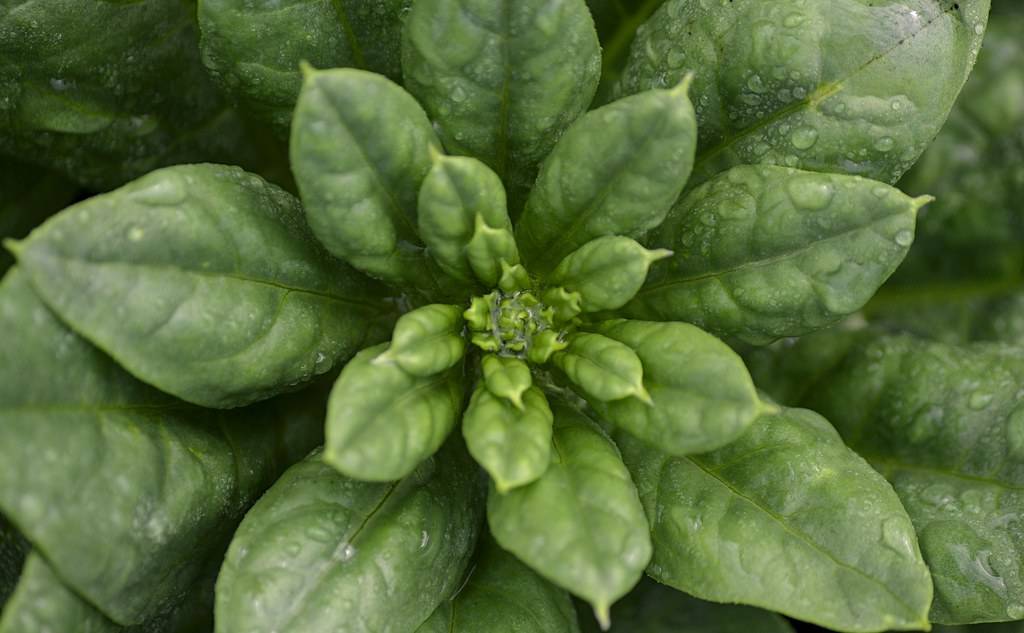
Why Fall Spinach Tastes Better Than Anything You Grew in Spring
Here is something most gardeners figure out the hard way: fall spinach is not the same vegetable as spring spinach. Same seed packet, same soil, completely different experience. The leaves come in thicker, sweeter, and far more tender because cooling temperatures convert starches into sugars — a survival trick the plant uses to protect its cells from frost. The result is spinach that tastes like you paid twelve dollars a pound for it at a farmers market, except you grew it yourself for roughly the cost of a seed packet and some patience.
If you have been dealing with bitter, bolted spring plantings that race to flower before you harvest a single decent salad, fall spinach is about to change your whole outlook. The trick is timing your sowing so seedlings establish before hard frost locks the ground, and understanding that spinach actually wants cooler weather. This guide covers when to plant spinach for fall harvest in every major zone, how to get seeds to germinate in still-warm soil, succession sowing for weeks of continuous harvest, and cold frame techniques that push your season deep into winter.

When to Plant Fall Spinach: Timing by Zone
Getting the timing right matters more for fall spinach than almost any other cool-season crop. Plant too early and the residual summer heat triggers bolting before leaves size up. Plant too late and seedlings do not have enough time to establish before freezing temperatures slow growth to a crawl. The sweet spot depends on your USDA hardiness zone and your average first frost date.
Zone-by-Zone Planting Windows
Spinach (Spinacia oleracea) needs roughly 6 to 8 weeks of growing time before hard frost. Count backward from your first frost date and add a week for germination delays in warm soil:
- Zones 3–4 (first frost mid-September): Sow in late July to early August. You are pushing it if you have not started by August 10.
- Zones 5–6 (first frost mid-October): Sow from mid-August through early September. This is the prime fall spinach belt.
- Zones 7–8 (first frost mid-November): Sow from September 1 through mid-October. You have the widest window and the best chance for succession sowing.
- Zones 9–10 (first frost December or later): Sow from late September through November. Fall spinach in these zones is really a winter crop, and it can produce straight through until spring bolting kicks in around March.
If you are in Southern California, Texas, or the Gulf states, your biggest challenge is not frost at all — it is getting soil temperatures below 75°F (24°C) so seeds actually germinate reliably. More on that below.
The 6-Week Rule
A reliable shortcut: find your average first frost date and count back 6 weeks. That is your last reasonable sowing date for baby leaf harvest. For full-size rosettes, count back 8 weeks. If you want both, stagger your plantings and aim for three sowings spaced 10 to 14 days apart.
When to Plant Spinach for Fall Harvest: The Heat Exit Problem
The single biggest reason fall spinach fails is sowing into soil that is still too hot. Spinach seeds germinate best between 50°F and 68°F (10–20°C). Above 75°F (24°C), germination rates drop dramatically — sometimes below 30 percent. Above 85°F (29°C), most varieties will not germinate at all. This creates a frustrating gap: your planting window says to sow now, but the soil says otherwise.
Tricks to Beat the Heat
Experienced fall spinach growers use several strategies to bridge the heat exit:
- Pre-sprout seeds indoors. Soak seeds in cool water for 24 hours, then place them between damp paper towels inside a plastic bag in the refrigerator for 5 to 7 days. Once you see tiny white radicles emerging, sow them directly into the garden. This bypasses the soil temperature problem entirely.
- Shade the bed. Use a 40 to 50 percent shade cloth suspended 18 inches (45 cm) above the bed for the first two weeks after sowing. This can drop soil surface temperatures by 8 to 10°F (4–5°C), which is often enough to push germination into the reliable range.
- Water strategically. Water deeply in the late afternoon so the soil stays cooler through the night and into the next morning, giving seeds a longer cool window for germination activity. Avoid midday watering that evaporates before doing any good.
- Mulch lightly. A thin layer of straw — about 1 inch (2.5 cm) — keeps soil cooler and retains moisture. Do not pile it on thick or seedlings cannot push through.
Sarah from Portland learned this the hard way two years ago. She sowed 'Bloomsdale Long Standing' on September 1 into a bed that had been baking in full sun all August. Germination was patchy — maybe 20 percent of seeds came up. The next year she pre-sprouted in the fridge, shaded the bed with row cover for the first ten days, and hit close to 90 percent germination from the same seed lot. Same seeds, same bed, completely different approach.

Best Fall Spinach Varieties: Choosing What to Grow
Not all spinach performs equally in fall conditions. You want varieties bred for bolt resistance and cold tolerance — the same traits that make spring spinach frustrating actually become advantages in reverse. Here are the top picks:
Savoy and Semi-Savoy Types
- 'Bloomsdale Long Standing' — The classic. Thick, crinkled leaves with excellent cold hardiness. Slower to bolt than most, which gives you a longer harvest window. Days to maturity: 45 to 50.
- 'Winter Bloomsdale' — A cold-adapted selection bred specifically for fall and overwintering. Handles temperatures down to 15°F (−9°C) with minimal protection. Days to maturity: 45 to 55.
- 'Tyee' — Semi-savoy hybrid with strong bolt resistance and upright growth that keeps leaves cleaner. Excellent for succession sowing because it holds well without bolting even if fall turns mild. Days to maturity: 40 to 45.
Smooth-Leaf Types
- 'Space' — Smooth, dark green leaves that are easy to wash. Fast-growing, making it ideal for late sowings when you are racing the frost. Days to maturity: 38 to 42.
- 'Corvair' — Smooth-leaf hybrid with exceptional downy mildew resistance. If your fall garden tends to stay damp, this is your pick. Days to maturity: 40 to 45.
- 'Renegade' — Heat-tolerant smooth-leaf that germinates more reliably in warm soil than most varieties. Good insurance for early September sowings in zones 7 and 8. Days to maturity: 38 to 42.
Baby Leaf Specialists
- 'Kolibri' — Bred for dense baby leaf production. Sow thickly, harvest at 3 to 4 inches (7–10 cm), and resow. Perfect for cut-and-come-again beds. Days to maturity: 28 to 35.
For most gardeners, a combination of one savoy type for main harvest and one smooth-leaf type for quick baby greens covers every fall salad need.
Soil Preparation and Planting Technique
Fall spinach benefits enormously from good soil prep, partly because you are asking seeds to germinate in conditions that are still marginal and partly because strong root establishment before cold weather determines how well plants overwinter.
Soil Requirements
Spinach prefers a soil pH between 6.5 and 7.5 — slightly more alkaline than most vegetables prefer. If your soil runs acidic (common in the eastern US and Pacific Northwest), a light dusting of garden lime worked in two weeks before sowing helps. Spinach is also a moderate feeder that responds well to nitrogen. Work in 2 to 3 inches (5–7.5 cm) of finished compost before planting. If your beds grew heavy feeders all summer — tomatoes, corn, squash — the soil is likely depleted and will benefit from a balanced organic fertilizer (such as 5-5-5) applied at planting time.
Sowing Depth and Spacing
Sow seeds ½ inch (1.25 cm) deep in rows 12 inches (30 cm) apart. For baby leaf harvest, you can tighten row spacing to 6 inches (15 cm) and sow more densely — about 12 seeds per foot (30 cm). For full-size rosettes, thin seedlings to 4 to 6 inches (10–15 cm) apart once they have two true leaves. Those thinnings are completely edible, so consider them your first harvest.
Tendra's smart care reminders can help you track sowing dates and thin-out timing if you are running multiple succession plantings — it is easy to lose track when you have three different sowing dates going in the same bed.
Succession Sowing: Harvest Spinach for Weeks, Not Days
A single sowing of spinach gives you roughly two to three weeks of good harvest before plants either bolt (if it stays warm) or slow to a crawl (once temperatures drop below 40°F / 4°C consistently). Succession sowing extends that window to six weeks or more.

The Three-Sowing Plan
For most zones, three sowings spaced 10 to 14 days apart hits the sweet spot:
- Sowing 1: As soon as your zone window opens. This is your earliest and most heat-challenged planting. Use a heat-tolerant variety like 'Renegade' or pre-sprout seeds.
- Sowing 2: 10 to 14 days after the first. Temperatures should be moderating by now. Use your main variety — 'Bloomsdale' or 'Tyee' are solid picks.
- Sowing 3: Another 10 to 14 days later. This planting benefits from the coolest conditions and often produces the sweetest leaves. A fast baby-leaf type like 'Kolibri' works well here since growing time before hard frost is shorter.
Managing Multiple Plantings
Keep a simple log — date sowed, variety, and bed location. When you are running three plantings across different bed sections, it is surprisingly easy to forget which row is which. Mark rows with labeled stakes or different colored plant markers. Tendra's plant care journal is useful here: log each sowing as a separate entry and set harvest reminders based on days to maturity.
If you have been reading our guide on succession planting, the same principles apply — you are just running the calendar in reverse, working backward from frost instead of forward from last frost.
Watering and Feeding Through Fall
Fall watering is trickier than spring watering because conditions change fast. Early September might still feel like summer in many zones, but by mid-October you could be dealing with cool, damp weather that keeps the soil moist for days.
Watering Guidelines
- Early fall (still warm): Water deeply every 2 to 3 days, aiming for 1 inch (2.5 cm) per week. Focus on keeping soil consistently moist at the seed or root level without waterlogging the surface.
- Mid-fall (cooling down): Reduce to once or twice per week as evaporation slows. Check soil moisture with your finger — if the top inch is damp, skip the watering.
- Late fall (near frost): Water only when soil dries out. Overwatering in cold weather promotes crown rot and downy mildew. Morning watering is better than evening to give foliage time to dry.
Feeding
If you amended with compost at planting, spinach usually does not need supplemental feeding for a single harvest cycle. For succession plantings that extend into November or beyond, a light side-dressing of blood meal or fish emulsion (high nitrogen) around week four gives leaves a noticeable boost in size and color. Do not over-fertilize — excessive nitrogen late in the season produces lush growth that is more vulnerable to frost damage.
Cold Frames and Season Extension: Pushing Into Winter
This is where fall spinach gets really interesting. With a simple cold frame — nothing more than a bottomless box with a clear lid — you can extend your spinach harvest from fall straight through winter and into early spring. In zones 6 and 7, a cold frame can keep spinach alive and harvestable through January. In zones 5 and colder, it buys you an extra month or more.

Building or Buying a Cold Frame
A basic cold frame is a rectangular box — typically 4 feet by 4 feet (1.2 m × 1.2 m) — with a sloped top covered by an old window, polycarbonate panel, or heavy clear plastic. The back wall should be taller than the front (about 18 inches / 45 cm in back, 12 inches / 30 cm in front) so rainwater and snow slide off and maximum sunlight hits the plants. You can build one from scrap lumber in an afternoon, or buy a kit for $40 to $100.
Cold Frame Management
- Ventilation is critical. On sunny days, even in winter, temperatures inside a closed cold frame can spike above 80°F (27°C). Prop the lid open 4 to 6 inches (10–15 cm) whenever daytime temperatures exceed 45°F (7°C). Close it by late afternoon to trap heat for the night.
- Water sparingly. Cold frame environments retain moisture much longer than open beds. Water only when soil is dry to the touch. Overwatering is the number one cold frame killer.
- Harvest by cutting outer leaves. Do not pull entire plants. Cut outer leaves at the base and let the center rosette keep producing. A single plant in a cold frame can produce harvestable leaves for three to four months.
Row Cover as an Alternative
If building a cold frame feels like too much commitment, heavyweight row cover (also called frost blanket, 1.5 oz/yd² or heavier) draped over wire hoops provides 4 to 8°F (2–4°C) of frost protection. It will not extend the season as dramatically as a cold frame, but it is cheaper, easier to set up, and works over beds of any size. Double-layering the fabric adds extra protection on the coldest nights.
Pests and Diseases in Fall Spinach
Fall spinach faces fewer pest pressures than spring plantings, but it is not trouble-free. Here are the main threats and how to handle them:
Downy Mildew
The most common fall spinach disease. Look for yellow patches on upper leaf surfaces with fuzzy gray-purple growth underneath. Cool, damp weather — exactly the conditions you are growing in — favors this pathogen. Prevention matters more than treatment: choose resistant varieties ('Corvair' and 'Renegade' both carry multiple downy mildew resistance genes), space plants for airflow, avoid overhead watering, and water in the morning.
Aphids
Green peach aphids and other species sometimes colonize fall spinach, especially during warm spells. A strong blast from the hose knocks most of them off. For persistent infestations, insecticidal soap applied in the evening works well. Check our spider mites guide for general pest scouting habits that apply to aphids too.
Leaf Miners
Spinach leaf miners tunnel between leaf surfaces, creating pale, winding trails. Row cover is the best prevention — it physically excludes the adult flies from laying eggs. If you see mined leaves, remove and destroy them. Do not compost leaf miner-affected foliage.
Slugs
Fall moisture brings slugs. Iron phosphate bait (safe for organic gardens) scattered around the bed perimeter is the most effective control. Beer traps work but need constant refreshing. Hand-picking at dusk after a rain is tedious but immediately satisfying.
Harvesting Fall Spinach: When and How to Pick
Knowing when to harvest is the difference between tender, sweet leaves and tough, bitter ones. Fall spinach gives you more flexibility than spring because cooler temperatures slow bolting, but timing still matters.
Baby Leaf Harvest
Start cutting baby leaves when they reach 3 to 4 inches (7–10 cm) long, typically 25 to 35 days after sowing. Use scissors or a sharp knife to cut leaves about 1 inch (2.5 cm) above the soil surface. The plant will regrow for a second and sometimes third cutting. Baby leaves are ideal for fresh salads and have the mildest, sweetest flavor.
Full Rosette Harvest
For full-sized leaves, wait until the rosette has at least 6 to 8 outer leaves that are 5 to 7 inches (12–18 cm) long, usually 40 to 50 days after sowing. Harvest by cutting outer leaves individually, working from the outside in. Leave the inner four to five leaves and the growing point intact. A healthy plant harvested this way can keep producing new leaves for weeks.
Post-Frost Sweetness
Here is the real payoff: after your first light frost (temperatures dipping to 28–32°F / −2 to 0°C), harvest spinach the following morning. The leaves will be noticeably sweeter. The plant has pumped sugars into its cells overnight as antifreeze, and you get to eat the result. This is not a myth or subtle flavor difference — it is dramatic enough that chefs specifically seek out frost-kissed spinach.
If you grew root crops earlier this season, check out our fall root crops guide for companion planting ideas. Spinach and root vegetables make excellent bed partners because they use different soil layers and mature at complementary rates.
Common Mistakes and How to Avoid Them
After helping thousands of gardeners through Tendra's community forums, these are the fall spinach mistakes that come up again and again:
- Sowing too deep. Spinach seeds need some light to germinate. A ½-inch (1.25 cm) cover is plenty. Going deeper — especially in heavy soil — leads to poor emergence.
- Ignoring soil temperature. Checking air temperature is not enough. Use a soil thermometer (they cost $8) and measure at 1 inch (2.5 cm) depth. If it is above 75°F (24°C), pre-sprout your seeds or wait.
- Skipping succession sowing. One planting means one harvest window. Three plantings mean six weeks of spinach. The extra ten minutes of sowing pays off enormously.
- Overcrowding. Dense plantings increase disease pressure, especially downy mildew. Thin seedlings even if it hurts. Those thinnings are a free micro-harvest.
- Forgetting to vent cold frames. More plants die from overheating inside a closed cold frame on a sunny winter day than from the cold itself. Vent whenever daytime temps exceed 45°F (7°C).
- Waiting too long to harvest. Once spinach starts bolting — you will see a central stalk stretching upward — the leaves turn bitter fast. Harvest everything immediately and sow a fresh round if your season allows.
Frequently Asked Questions
When should I plant spinach for a fall harvest?
Count backward 6 to 8 weeks from your average first frost date. In zones 5–6, that means mid-August through early September. In zones 7–8, September through mid-October. In zones 9–10, late September through November. The exact date matters less than soil temperature — wait until soil at 1 inch (2.5 cm) depth drops below 75°F (24°C) for reliable germination.
Can I plant spinach in September?
Absolutely. September is the prime fall spinach sowing month for zones 6 through 9, which covers the majority of US gardeners. In colder zones (3–5), September may be too late unless you are using cold frames. In warmer zones (9–10), September is actually the ideal start time because soil temperatures are finally dropping out of the danger zone.
Why did my fall spinach not germinate?
Almost always a soil temperature issue. Spinach germinates poorly above 75°F (24°C) and not at all above 85°F (29°C). Pre-sprout seeds in the refrigerator, shade the bed, and water in the late afternoon to cool the soil. Also check seed age — spinach seed viability drops significantly after two years.
How cold can spinach tolerate?
Established spinach plants survive temperatures down to about 20°F (−7°C) without protection, and down to 0°F (−18°C) or lower under a cold frame or heavy row cover. Seedlings are less hardy — protect them if temperatures will drop below 25°F (−4°C) before they develop at least four true leaves.
Does fall spinach taste different from spring spinach?
Yes, significantly. Cold temperatures trigger sugar accumulation in the leaves, making fall and winter spinach noticeably sweeter than spring-grown spinach. The effect is most dramatic after the first frost, when plants concentrate sugars as a natural antifreeze. Many gardeners who disliked spring spinach become fall spinach converts once they taste the difference.
Your Fall Spinach, Your Way
Fall spinach is one of those rare garden wins where less effort produces better results. Cooler weather does most of the work — fewer pests, no bolting races, sweeter leaves. Your main job is getting the timing right, coaxing seeds through the tail end of summer heat, and deciding how far you want to push the season with cold frames or row cover.
Start with a single variety and three succession sowings. If you catch the bug (and you will), expand to a cold frame next year and join the gardeners pulling fresh spinach out of their beds in January while everyone else is browsing seed catalogs and dreaming about spring.
Discover local spinach-growing tips from gardeners in your zone with Tendra — where local gardeners connect and thrive.