Most gardeners plant everything in one big weekend push, cross their fingers, and then watch the entire harvest arrive at the same time. You end up with thirty heads of lettuce in June, nothing in August, and a vague sense that you could have done this differently. You're right — you could have. Succession planting is the strategy that turns a single harvest window into a steady, season-long supply of fresh food. Instead of planting once and hoping, you stagger plantings every two to three weeks so that something is always coming ripe while something else is just getting started.
Whether you're working four raised beds or a single 4×8 plot, a succession planting schedule keeps your garden productive from the last spring frost through the first fall freeze. In this guide, you'll learn what succession planting actually means, which crops respond best, how to build a calendar for your zone, and how to make the most of limited space with relay planting and smart crop rotation.
What Is Succession Planting?
Succession planting is exactly what it sounds like: planting the same crop (or a replacement crop) in timed intervals so harvests overlap rather than arriving all at once. Instead of sowing an entire packet of radish seeds on May 1st, you sow a short row every two weeks from April through September. The result is a continuous harvest garden where you're always pulling something fresh instead of scrambling to eat or preserve a glut.
The concept isn't new — market farmers have used stagger planting for generations to keep their stand tables full week after week. But home gardeners are catching on, and for good reason. A well-planned succession planting schedule can double or even triple the total yield from the same square footage without any additional beds, soil amendments, or equipment.
There are three core approaches, and most experienced growers combine all three:
- Same-crop succession: Planting the same vegetable at regular intervals (e.g., a new row of bush beans every 14 days)
- Different-crop succession: Following one finished crop with a completely different one (e.g., spring peas replaced by summer squash)
- Relay planting: Planting the next crop between the rows of a maturing crop before you pull the first one out
Best Crops for Succession Planting
Not every vegetable is worth stagger planting. Crops that mature quickly, bolt in heat, or have a narrow harvest window benefit most. Slow-growing crops like tomatoes and peppers — which fruit continuously once they start — don't need succession rounds. Here are the best candidates.

Lettuce and Salad Greens
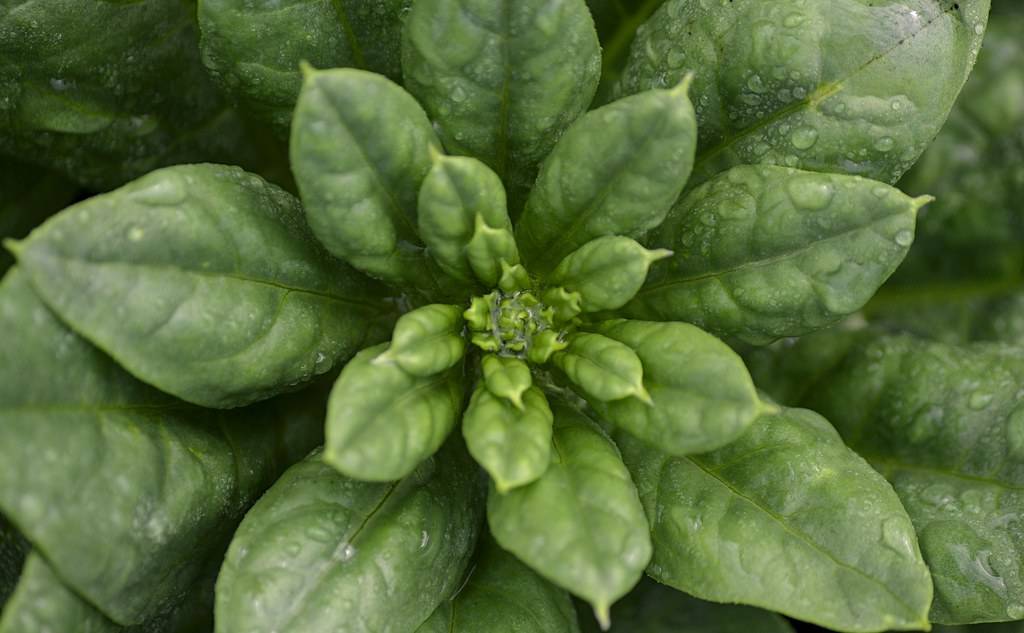
Lettuce (Lactuca sativa) is the poster child for succession planting. It matures in 30 to 60 days depending on variety, bolts quickly in summer heat, and takes up very little space. Sow a short row every two weeks from early spring through late fall, skipping the hottest midsummer weeks in zones 7 and above. For hot-weather gaps, swap in heat-tolerant varieties like 'Jericho' or 'Muir,' or switch to Eruca vesicaria (arugula), which handles warmth better and matures in just 21 days. Spinach (Spinacia oleracea) works the same way in cooler seasons.
Radishes
Radishes (Raphanus sativus) are the fastest vegetable in the garden — some varieties are ready in 22 days. That speed makes them perfect for tucking between slower crops. Sow a pinch every 10 to 14 days from early spring through fall. They're also an ideal relay crop: plant radishes in the gaps where you just pulled garlic or harvested early peas.
Bush Beans
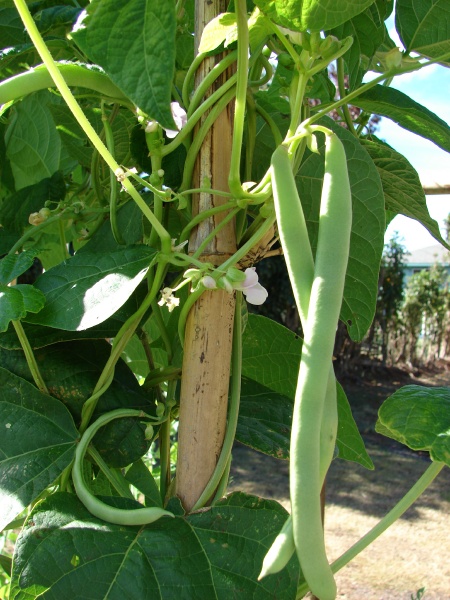
Bush beans (Phaseolus vulgaris) produce a concentrated flush of pods over about two weeks, then they're done. That makes successive plantings essential if you want beans all summer. Sow a new block every 14 to 21 days from two weeks after your last frost through midsummer. Pole beans, by contrast, produce continuously and don't need succession rounds — but they also need trellising, which not every garden has room for.

Carrots
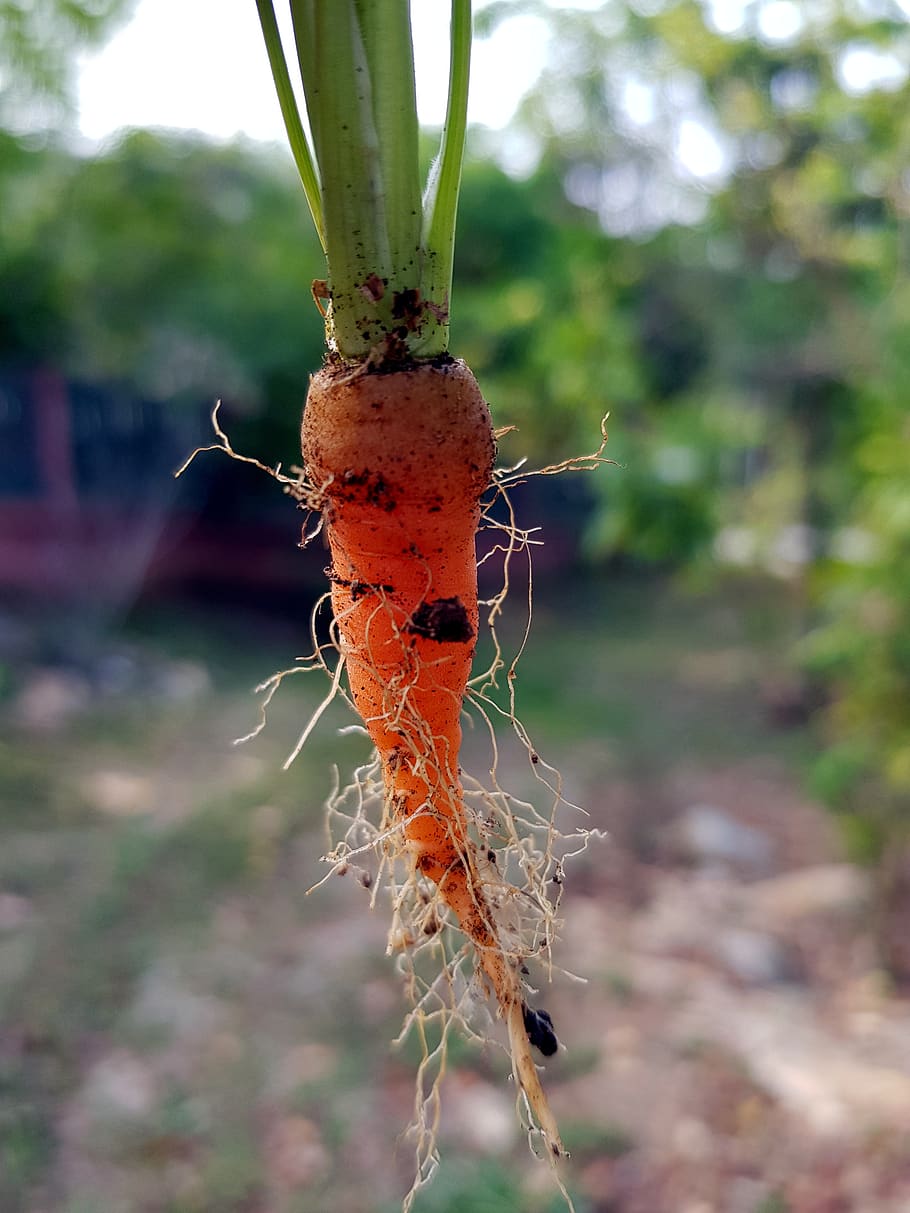
Carrots (Daucus carota) take 60 to 80 days to mature, so the window between plantings is wider — every three to four weeks works well. Start sowing as soon as soil can be worked in spring and continue through midsummer for fall harvests. Baby varieties like 'Mokum' and 'Adelaide' mature faster (around 50 days) and work well in tighter succession schedules.
Beets
Beets (Beta vulgaris) are dual-purpose — you eat both the root and the greens. They mature in 50 to 65 days and handle light frost, making them candidates for succession from early spring through early fall. Sow every three weeks. 'Chioggia' and 'Detroit Dark Red' are reliable varieties that hold in the ground without getting woody if you're a few days late on harvest.
Cilantro and Dill
Cilantro (Coriandrum sativum) is infamous for bolting at the first hint of warm weather. The only way to have a steady supply is to sow every 10 to 14 days from spring through fall, using slow-bolt varieties like 'Calypso' or 'Santo' during warmer months. Dill (Anethum graveolens) behaves similarly — plant small patches repeatedly rather than one big planting.
Other Strong Candidates
- Scallions/green onions — sow every 3 weeks; ready in 60 days
- Turnips — sow every 2-3 weeks; 35-60 days to harvest
- Peas — plant in spring and again in late summer for fall (skip the heat)
- Corn — stagger every 2 weeks for extended sweet corn season
- Kohlrabi — fast, cool-season, 45-60 days; succession works beautifully
Building Your Succession Planting Schedule by Zone
Timing is everything. A succession planting schedule that works in Portland won't work in Phoenix, so you need to build yours around your USDA Hardiness Zone and your local frost dates. Here's a framework you can adapt.

Zones 3–5 (Short Season: Late May – September)
With a frost-free window of roughly 100 to 130 days, you need to move quickly. Start lettuce, radishes, and peas indoors or in cold frames 4 to 6 weeks before your last frost. Once the ground thaws:
- Weeks 1-2 after last frost: Direct-sow radishes, lettuce, spinach, peas, beets, carrots
- Every 2 weeks through July: Re-sow lettuce, radishes, beans
- Mid-July: Last bean sowing; start fall crops (beets, turnips, kale)
- August: Final lettuce and radish sowings; plant garlic for next year
In short-season zones, row covers and cold frames extend your window by 3 to 4 weeks on each end. That can mean two or three extra succession rounds of greens.
Zones 6–7 (Moderate Season: Mid-April – October)
You get roughly 150 to 180 frost-free days, which is enough for 6 to 8 rounds of fast crops. The challenge here is the midsummer heat gap — lettuce and cilantro will bolt in July and August, so plan a "heat break" and switch to warm-season crops.
- April: First sowings of lettuce, radishes, peas, carrots, beets, cilantro
- May–June: Continue 2-week intervals; add beans once soil is warm
- July: Pause cool-season crops. Plant warm-season successors like beans, corn, and squash
- August–September: Resume fall lettuce, radishes, spinach, beets; plant overwintering garlic
- October: Final radish and lettuce sowings under row cover
Zones 8–10 (Long Season: March – November or Year-Round)
Warm-climate gardeners have the luxury of nearly year-round planting, but the flip side is brutal summer heat that shuts down cool-season crops for months. The key is to lean heavily into fall and winter succession planting, which is when your garden can really shine.
- February–April: Cool-season succession (lettuce, peas, radishes, carrots)
- May: Transition to heat-lovers; last cool-season sowings with shade cloth
- June–August: Warm-season only — beans, corn, cowpeas, okra
- September–November: Resume cool-season succession; this is your prime salad season
- December–January: Continue lettuce, spinach, radishes under row cover or in cold frames
If you're planning your fall garden strategy, succession planting is what separates a couple of token harvests from a genuinely productive autumn plot.
Same-Crop vs. Different-Crop Succession
Most guides focus on same-crop succession — and it's the easiest to start with. You pick one vegetable, sow it repeatedly, and stagger your harvests. Simple. But different-crop succession (also called "crop relay" or sequential cropping) is where experienced growers really maximize their beds.
Same-Crop Succession
This is what we've been describing: plant beans, wait two weeks, plant more beans. It works best with crops that have a defined harvest window and don't produce continuously. The mental model is "conveyor belt" — as one planting finishes, the next one rolls in.
The trick is knowing when to stop. Count backwards from your first expected fall frost: if beans take 55 days to mature, your last sowing needs to go in at least 60 days before frost (add a buffer for slowing fall growth). Same logic for every crop.
Different-Crop Succession
This is about filling the space a finished crop leaves behind. Spring peas finish in June? Pull them and plant bush beans in the same spot. Early radishes done by May? Follow them with cucumbers. Summer squash finished by September? Plant fall lettuce.
The key to making this work is matching crop families and nutrient needs. Follow a nitrogen-fixing legume (peas, beans) with a heavy feeder (corn, squash, brassicas). Follow a root crop with a leafy crop. This isn't just about timing — it's built-in crop rotation that improves soil health while keeping beds full.
Tendra's smart care reminders can help you track these transitions — set a reminder for when your current crop's expected harvest date hits, and you'll get a nudge to prep and plant the next round before that precious bed sits empty.
Relay Planting: The Advanced Move

Relay planting takes different-crop succession a step further: you plant the second crop before you remove the first one. The new seedlings grow in the shadow or gaps of the maturing crop, getting a head start so there's zero downtime in the bed.
Classic relay planting combos include:
- Lettuce under tomatoes: Transplant lettuce seedlings between young tomato plants in spring. The lettuce matures and gets harvested before the tomatoes bush out and shade the bed.
- Carrots between onions: Sow carrot seeds between onion rows. By the time onions are harvested in midsummer, the carrots are well-established and fill the space.
- Beans after garlic: Plant bean seeds between garlic rows 2 to 3 weeks before garlic harvest. Pull the garlic, and the beans take over immediately.
- Fall brassicas under corn: Transplant broccoli or cabbage starts between corn rows in late summer. When corn stalks come out, the brassicas have a solid root system and take off.
Relay planting requires a bit more finesse — you need to know each crop's space and light requirements — but it eliminates the biggest productivity killer in a garden: empty soil. Every day a bed sits bare is a day of lost growing potential.
Sarah's Season-Long Harvest in Portland
Sarah from Portland runs a 200 square foot (18.5 sq m) backyard garden in zone 8b. Two years ago, she grew everything the conventional way: one big planting in May, a huge harvest in July, and then spent August watching her beds sit empty while she tried to figure out what to do next.
Last year, she switched to succession planting and the difference was dramatic. She broke her garden into four sections and rotated plantings every two weeks starting in March. "I always had something to pick," she said. "Radishes in April, lettuce through May and June, beans from July through September, and then fall greens that lasted until Thanksgiving."
Her biggest revelation was relay planting. She started transplanting fall lettuce seedlings between her bean rows in late August. By the time she pulled the bean plants in mid-September, the lettuce was already 4 inches (10 cm) tall and took off with the cooler weather. "I used to think September was when the garden wound down. Now it's when my best salad season starts."
Sarah tracks her planting dates and variety notes using Tendra, which sends her reminders when it's time for the next sowing round. "I set it up once in spring — 'sow lettuce every 14 days' — and it pings me so I never forget a round. That's the thing about succession planting: the system only works if you actually stick to the schedule."
Succession Planting Tips for Small Gardens
You don't need a sprawling plot to make succession planting work. Even a 4×4 foot (1.2×1.2 m) raised bed or a few containers on a patio can produce a continuous harvest if you're strategic.
Use Interplanting
Grow fast and slow crops together. Radishes mature in 25 days; carrots take 70. Sow them in the same row. You'll harvest the radishes long before the carrots need the space, and the radishes naturally thin the row for the carrots. Same principle works with lettuce between pepper plants or scallions alongside tomatoes.
Go Vertical
Free up ground space for succession rounds by growing climbers vertically. Pole beans, cucumbers, and peas on trellises use almost no ground footprint, leaving bed space open for lettuce, radishes, and other fast crops that you can sow repeatedly.
Start Transplants Ahead
Don't wait for a bed to open before starting the next round. Grow your succession seedlings in small pots or cell trays indoors so they're ready to transplant the moment you pull a finished crop. This shaves 2 to 3 weeks off each succession cycle and keeps the conveyor belt moving.
Focus on Fast Crops
In a small space, prioritize crops that turn over quickly: radishes (25 days), baby lettuce (30 days), arugula (21 days), turnip greens (30 days). You can fit 4 to 5 rounds of these in the same bed across a single season. Reserve limited space for one or two long-season crops (tomatoes, peppers) and fill every remaining inch with succession rounds of fast greens.
Amend Between Plantings
Each crop pulls nutrients from the soil. Before planting a new succession round, work in a thin layer of compost — about 1/2 inch (1.3 cm) — and a light application of balanced organic fertilizer. This keeps the soil fed so your fifth round of lettuce grows just as vigorously as the first.
Common Succession Planting Mistakes
Even experienced gardeners trip up with succession planting. Here are the pitfalls to avoid:
- Planting too much at once: The whole point is small, frequent sowings. If you're planting a full packet every round, you'll still get gluts — just more of them.
- Forgetting the calendar: Skipping a round is easy when life gets busy. Set reminders (a phone alarm, a note on the fridge, or a garden app) and treat sowing days like appointments.
- Ignoring soil fatigue: Continuous planting means continuous nutrient draw. Test your soil mid-season and amend accordingly. Compost is your best friend here.
- Not accounting for daylight changes: Fall succession crops grow more slowly than spring ones because days are getting shorter, not longer. Add 10 to 14 extra days to maturity estimates for September and October plantings.
- Skipping the heat gap: In zones 6 and above, lettuce and cilantro will bolt in midsummer no matter what you do. Plan for that gap. Plant heat-loving crops instead and resume cool-season succession in late summer. Check our summer garden checklist for what to focus on during peak heat.
Putting It All Together: Your First Succession Plan
Ready to start? Here's a simplified framework you can adapt to your zone and space:
- Pick 3 to 4 crops that you eat regularly and that work well with succession (lettuce, radishes, beans, and cilantro is a solid starter set).
- Find your frost dates. Use your USDA zone or local cooperative extension for last spring frost and first fall frost dates.
- Map your intervals. For each crop, note days to maturity and divide your frost-free season into intervals. Lettuce every 14 days, beans every 21 days, carrots every 28 days.
- Work backwards from fall frost. Your last sowing date = first frost date minus days to maturity minus a 10-day buffer. Mark it on the calendar.
- Start small. Sow short rows or half-rows each round. You can always scale up once you see how much you actually eat between harvests.
- Track everything. Record what you planted, when, and how it turned out. This data is gold for next year's planning.
The most important thing about succession planting isn't the specific schedule — it's the mindset shift from "plant once" to "plant often." Once you start thinking of your garden as a rolling production system rather than a one-time event, you'll wonder how you ever managed with a single planting date.
Keep the Harvest Going
Succession planting is the difference between a garden that feeds you for three weeks and one that feeds you for six months. The strategy is simple: sow a little, sow often, and never leave soil empty. Start with just one or two crops this season, learn the rhythm, and expand from there.
Whether you're tracking planting intervals or setting up reminders for your next sowing round, having a system makes all the difference. Discover smart care reminders and local growing insights with Tendra — where gardeners connect, grow, and share what actually works in their zone.