Here's a truth that catches most gardeners off guard: your best fall harvest starts right now, in the heat of summer. While your tomatoes are still ripening and the corn is knee-high, the clock is already ticking on fall garden planning. If you wait until the air turns crisp and the leaves start changing, you've already missed the window for most cool-season crops. The secret is counting backward from your first frost date — and then getting seeds in the ground (or started indoors) weeks before autumn even arrives.
Whether you're looking to extend your growing season, fill in gaps where summer crops are fading, or simply grow the best-tasting vegetables of the year — and yes, fall-grown vegetables genuinely taste better — this fall garden planting guide walks you through everything. From which crops to prioritize to exact timing, seed starting, direct sowing, and season extension, consider this your complete playbook.

The Count-Back Method: How to Time Your Fall Garden Planning
Fall garden planning starts with one critical number: your average first frost date. This is the date when temperatures in your area first dip to 32°F (0°C). Everything else — when to start seeds, when to transplant, when to direct sow — flows backward from that date.
Here's how the count-back method works:
- Find your first frost date. Look it up through your local agricultural extension or check USDA resources. For example, if you're in Zone 7, your first frost typically lands around mid-October. Zone 5 gardeners might see frost as early as late September.
- Check the "days to maturity" on the seed packet. This tells you how long the crop takes from planting (or transplanting) to harvest.
- Add the "fall factor." As days shorten and temperatures drop in autumn, plants grow more slowly. Add 14 days to the listed maturity time to account for this.
- Add your harvest window. Most gardeners want at least 1-2 weeks of harvest time before a hard freeze kills the plant. Add another 7-14 days.
So the formula looks like this: First Frost Date − Days to Maturity − 14 (fall factor) − 14 (harvest window) = Planting Date.
For a crop that takes 60 days to mature in a Zone 7 garden with an October 15 frost date, you'd count back 88 days, landing on a planting date around July 19. That's right — you're planting now.
If you're using Tendra, the app's climate-specific tools can help you pin down your exact zone and connect with local gardeners who've already dialed in their fall planting schedules for your specific area — no guessing required.
What to Plant for Fall: The Best Cool-Season Crops
Not every vegetable belongs in a fall garden. You want crops that thrive in cooler temperatures, tolerate light frosts (or even improve because of them), and mature fast enough to beat the hard freeze. Here are the heavy hitters, broken into three categories.
The Brassica Family: Your Fall Garden MVPs
Brassicas — the cabbage family — are the backbone of any serious fall garden. These crops actually prefer cool weather and many taste noticeably sweeter after a light frost converts their starches to sugars.
Broccoli (Brassica oleracea var. italica) is one of the most rewarding fall crops. It takes 50-70 days from transplant to harvest, which means starting seeds indoors in early to mid-July for an August transplant. Fall-grown heads are denser and more flavorful than their spring counterparts because the plants aren't racing to bolt in rising heat. Look for varieties like 'Waltham 29' or 'Calabrese' that handle cool conditions well. Plant transplants 18 inches (45 cm) apart in rows 24 inches (60 cm) apart.
Kale (Brassica oleracea var. sabellica) is practically indestructible in fall conditions. It's one of the hardiest vegetables you can grow, surviving temperatures down to 10°F (−12°C) in many varieties. Direct sow seeds 6-8 weeks before your first frost, or start transplants indoors even earlier for bigger plants. 'Lacinato' (dinosaur kale), 'Red Russian,' and 'Winterbor' are all excellent fall choices. The flavor genuinely transforms after frost — the bitterness mellows and a natural sweetness emerges.

Brussels sprouts (Brassica oleracea var. gemmifera) are the long game of fall gardening. They need 80-100 days from transplant, which means starting seeds indoors in late May or June for most zones — if you haven't started them yet, grab transplants from a local nursery immediately. The small heads (called "sprouts") form along the stalk from the bottom up, and the best flavor comes after several hard frosts. Varieties like 'Long Island Improved' and 'Jade Cross' are proven performers. Space plants 24 inches (60 cm) apart — they get big.
Root Vegetables: Underground Flavor Bombs
Root crops are ideal fall vegetables because they store energy underground, making them naturally frost-tolerant. Many can stay in the ground well past your first frost, effectively using your garden as a root cellar.
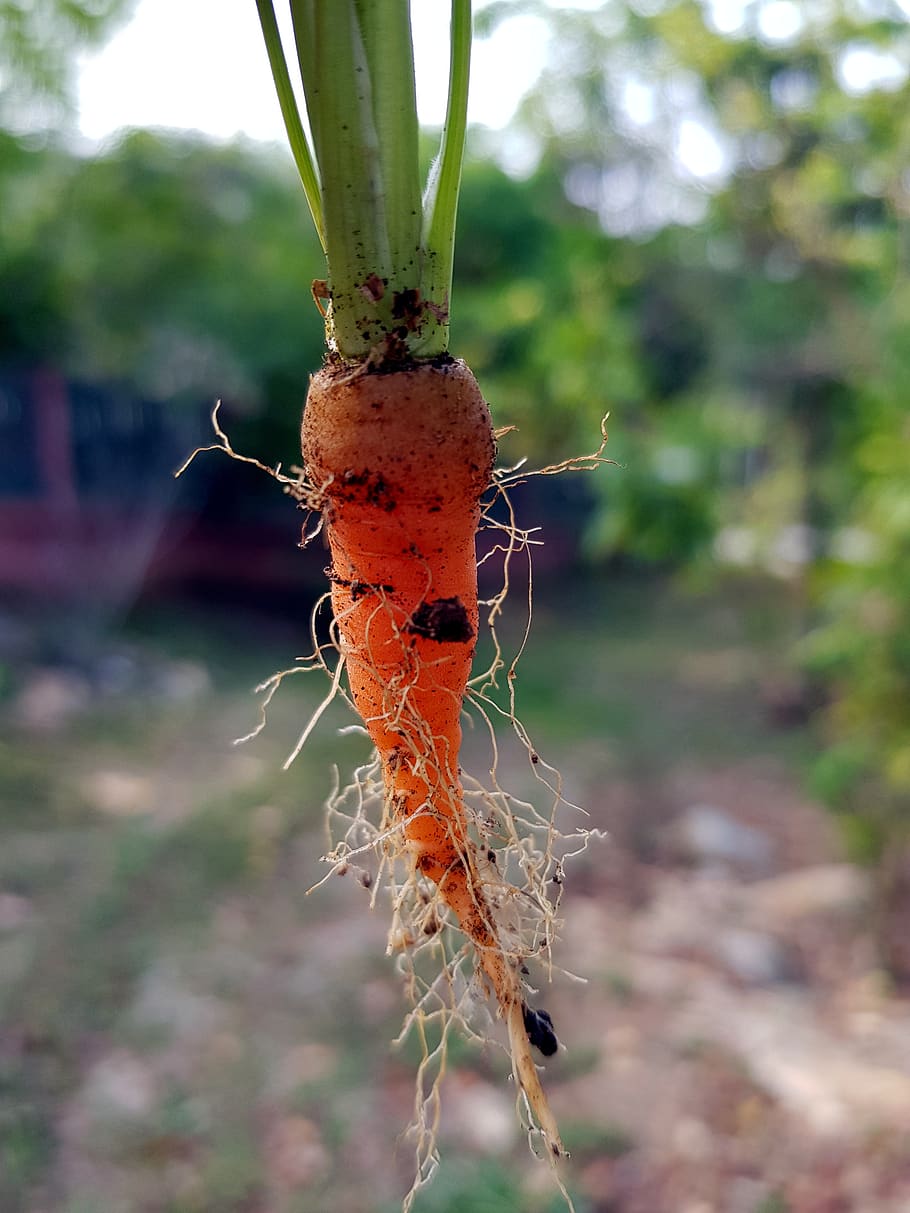
Carrots (Daucus carota) are direct-sown 10-12 weeks before your first frost date. They take 60-80 days to mature depending on variety, and unlike most vegetables, they actually get sweeter as soil temperatures drop below 40°F (4°C). The cold triggers the roots to convert starch to sugar as a natural antifreeze. Sow seeds ¼ inch (6 mm) deep in loose, stone-free soil, and keep the bed consistently moist until germination (which can take 14-21 days — patience is required). 'Nantes,' 'Danvers,' and 'Bolero' are reliable fall choices.
Beets (Beta vulgaris) are dual-purpose: you eat the roots and the greens. Direct sow 8-10 weeks before first frost, spacing seeds 3-4 inches (8-10 cm) apart. Each "seed" is actually a cluster of 2-4 seeds, so you'll need to thin seedlings. Beets handle frost well and can be left in the ground with a layer of mulch. 'Detroit Dark Red,' 'Chioggia,' and 'Golden' varieties all perform well in fall gardens. The greens are harvestable in as little as 35 days, giving you an early return while the roots continue developing.

Turnips (Brassica rapa subsp. rapa) are the unsung heroes of the fall garden. They mature fast — as quickly as 30-60 days — which makes them one of the most forgiving fall crops if you're getting a late start. Direct sow 6-8 weeks before first frost. Like beets, turnips are dual-purpose: harvest the greens young (they're excellent sautéed) and let the roots size up through autumn. 'Purple Top White Globe' and 'Hakurei' (a Japanese salad turnip that's exceptional raw) are both worth growing.
Leafy Greens: Fast, Cold-Hardy, and Delicious
Leafy greens are the sprinters of the fall garden. Most mature in 30-50 days, giving you the widest planting window and the most flexibility if you're running behind.
Lettuce (Lactuca sativa) actually prefers temperatures between 45-65°F (7-18°C) — it bolts and turns bitter in summer heat, which is exactly why fall lettuce tastes so much better. Direct sow every 2 weeks starting 8 weeks before first frost for continuous harvest. Loose-leaf varieties like 'Black Seeded Simpson' and 'Red Sails' mature fastest (40-45 days), while romaine types take 60-70 days. Sow seeds very shallowly — they need light to germinate.
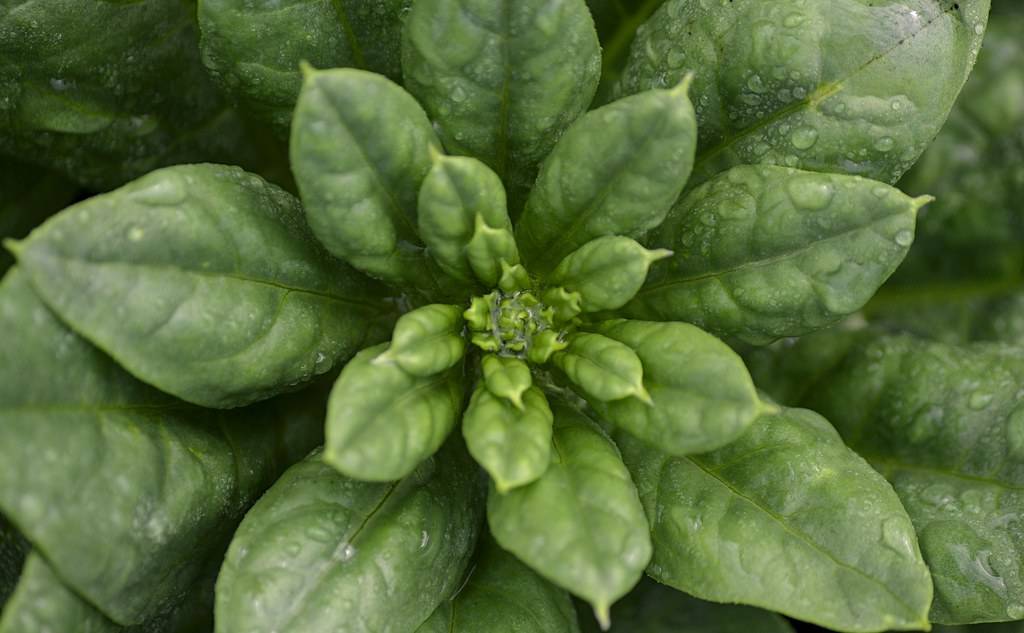
Spinach (Spinacia oleracea) is another crop that dramatically improves in fall. Heat makes it bolt almost immediately in summer, but the shortening days and cooling temperatures of autumn let it produce thick, dark, nutrient-dense leaves. Direct sow 6-8 weeks before first frost, spacing seeds 2-4 inches (5-10 cm) apart. 'Bloomsdale Long Standing' and 'Tyee' are excellent fall performers. Spinach is cold-hardy enough to overwinter in many zones with minimal protection.
Radishes (Raphanus sativus) are the fastest crop on this list — some varieties mature in just 22-30 days. That makes them perfect for filling gaps, interplanting between slower crops, and succession planting right up until a few weeks before hard frost. Fall radishes tend to be milder and crisper than spring ones. Try 'Cherry Belle' for quick harvests or 'Watermelon' radish for something more dramatic. For storage, daikon-type radishes like 'Miyashige' take 50-60 days but produce massive roots that keep for months.
Starting Seeds Indoors in July: Your Fall Garden Head Start
July is prime time for starting fall transplants indoors. This is especially important for slow-growing brassicas that need a significant head start before going into the garden in August.

Here's what to start indoors now (early July) for August transplanting:
- Broccoli: Start seeds 6-8 weeks before transplant date. Germinates in 5-10 days at 65-75°F (18-24°C).
- Cauliflower: Same timing as broccoli. More finicky about temperature swings, so indoor starting gives you more control.
- Cabbage: Start 6-8 weeks before transplant. Fall cabbage develops better flavor than spring-planted heads.
- Brussels sprouts: Ideally started in May-June, but if you're just getting to it, grab nursery transplants instead.
- Kale and collards: Can be direct-sown or started indoors 4-6 weeks before transplant for a head start.
Tips for summer seed starting:
- Temperature matters. Most brassica seeds germinate best at 65-75°F (18-24°C). If your house runs warmer, find a cooler spot — a north-facing window or basement works well.
- Use fresh seed-starting mix. Don't recycle old potting soil, which may harbor pathogens.
- Keep moisture consistent. Summer heat dries out seed trays fast. Consider covering trays with humidity domes until germination.
- Harden off properly. Before transplanting into the August garden, spend 7-10 days gradually introducing seedlings to outdoor conditions. Start in shade, then increase sun exposure.
If you've been following our guide to July planting, you're already in the right mindset — fall garden planning is just the natural next step in keeping your garden productive year-round.
Direct Sow Schedule: A Week-by-Week Fall Garden Planting Guide
Not everything needs to be started indoors. Many fall vegetables perform best when direct-sown into the garden. Here's a general schedule based on a mid-October first frost date (adjust forward or backward for your zone):
Mid-July (12-13 weeks before frost):
- Carrots (final sowing for fall harvest)
- Beets
- Turnips
- Transplant any brassica seedlings started in May/June
Late July to Early August (10-11 weeks before frost):
- Kale (direct sow)
- Collards
- Swiss chard
- Kohlrabi
- Second sowing of beets
Mid-August (8-9 weeks before frost):
- Lettuce (all types)
- Spinach
- Arugula
- Transplant broccoli, cauliflower, and cabbage seedlings started in July
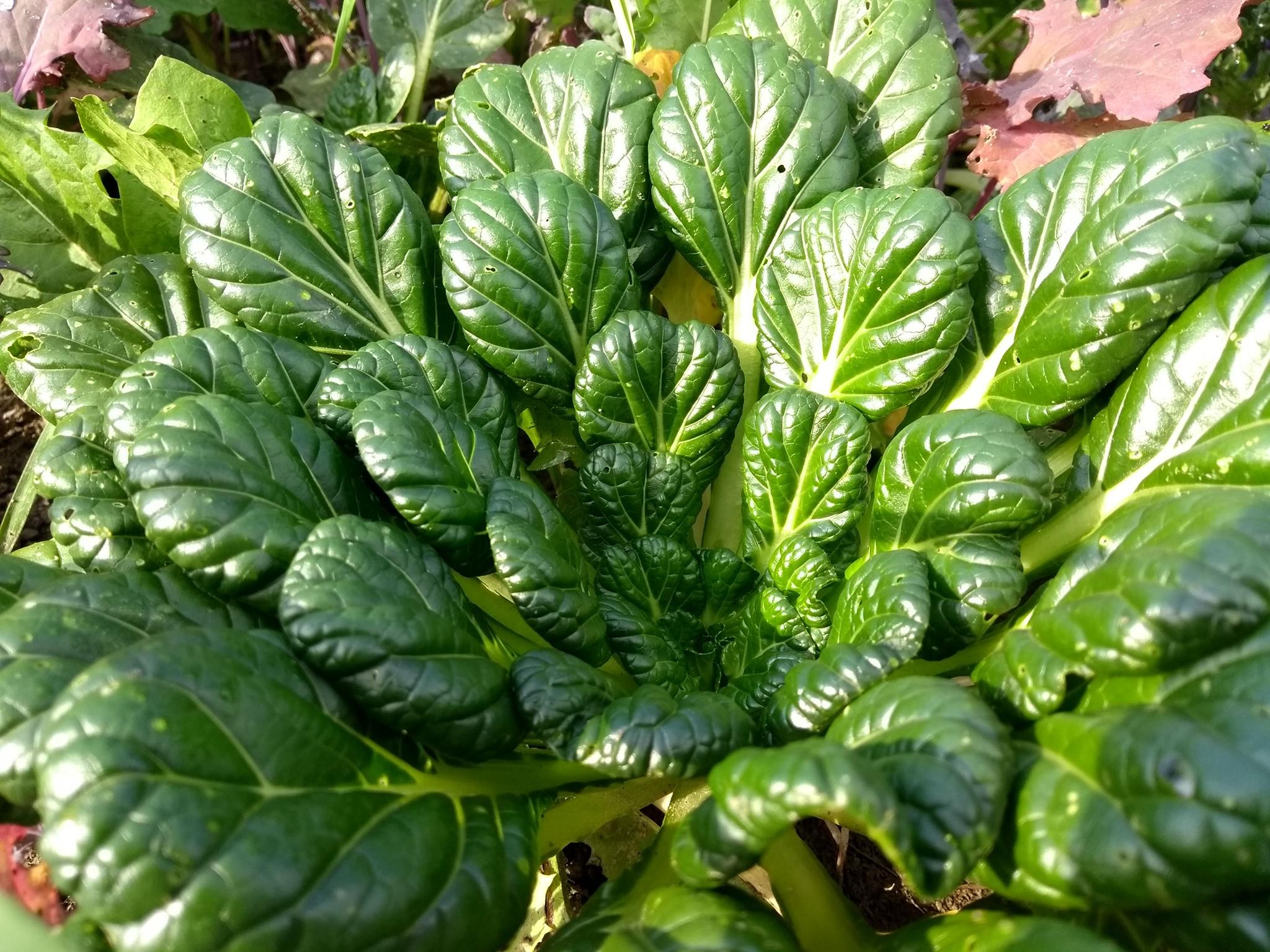
- Asian greens (bok choy, tatsoi, mizuna)
Late August to Early September (6-7 weeks before frost):
- Radishes
- More lettuce and spinach (succession sowing)
- Cilantro
- Peas (fast varieties like 'Sugar Ann')
Mid-September (4-5 weeks before frost):
- Final radish sowing
- Garlic cloves (for next year's harvest)
- Overwintering onion sets
This approach — staggering plantings every 2-3 weeks — is essentially succession planting applied to the fall season. It spreads your harvest over weeks instead of giving you everything at once.
Preparing Your Garden Beds for Fall Crops
Your summer garden has been working hard for months. Before planting fall crops, the beds need some attention.
Clear spent crops. As summer vegetables finish producing — once those beans are done or the peas have dried up — pull them out promptly to make room. Don't wait for everything to finish; pull what's done and interplant fall crops alongside what's still producing.
Amend the soil. Summer crops deplete nutrients, especially nitrogen. Work in 2-3 inches (5-8 cm) of compost before planting fall crops. If you're growing brassicas, they're heavy feeders — consider adding a balanced organic fertilizer or blood meal for extra nitrogen.
Check soil pH. Brassicas prefer slightly alkaline soil (pH 6.5-7.0). If your soil runs acidic, a light application of garden lime a few weeks before planting helps. Root crops like carrots and beets prefer pH 6.0-6.8.
Mulch after planting. This serves double duty: keeping soil cool during the last hot weeks of summer (which helps cool-season seeds germinate) and retaining moisture. Use straw, shredded leaves, or grass clippings — 2-3 inches (5-8 cm) deep, keeping mulch away from plant stems.
If you're working with raised beds or structured garden spaces, fall is an excellent time to add fresh compost and refresh the growing medium while transitioning between seasons.
Extending the Season: Row Covers, Cold Frames, and Beyond
You don't have to surrender your garden the moment frost arrives. With simple season-extension tools, you can push your fall harvest weeks — sometimes months — past your first frost date.

Floating row covers are the simplest and most cost-effective option. Made from lightweight spun-bonded fabric, they drape over wire hoops or directly on top of plants. They transmit 85-95% of sunlight and rain while providing 4-8°F (2-4°C) of frost protection. That's often enough to add 3-6 weeks to your growing season. A medium-weight cover (1.0-1.5 oz/yd²) balances light transmission with frost protection.
Cold frames are essentially bottomless boxes with transparent lids (glass or polycarbonate). Set them over garden beds to create a mini greenhouse effect. They can extend the season by 6-10 weeks and even allow you to grow greens through winter in Zones 6 and above. Build or buy one — a simple frame made from straw bales with an old window on top works surprisingly well.
Low tunnels (also called caterpillar tunnels) split the difference between row covers and cold frames. Wire hoops covered with greenhouse plastic create a warmer microclimate than fabric row covers alone. Ventilation is key — prop open the ends on sunny days to prevent overheating.
Mulch as insulation. As temperatures drop below freezing, pile 6-12 inches (15-30 cm) of straw mulch over root crops still in the ground. Carrots, beets, turnips, and parsnips can survive surprisingly hard freezes this way, staying fresh and harvestable well into December in many zones.
Real Talk: Nick's Fall Garden Turnaround
Nick from New York had been gardening for three years but always treated his garden as a May-to-August project. "I'd rip everything out in September and just stare at bare dirt until the following spring," he says. The turning point came when a neighbor shared a flat of kale seedlings in late July and told him to just stick them in the ground where his garlic had been.
"That kale produced from October through January. I was harvesting in the snow. The flavor was completely different from anything I'd grown before — sweet, almost nutty." The following year, Nick went all in on fall planning. He started broccoli and cauliflower indoors in July, direct-sowed three rounds of lettuce and spinach from August through September, and invested $40 in floating row covers.
"My fall garden ended up being more productive than my summer garden. Fewer pest problems, less watering, better flavor. And the feeling of harvesting fresh greens on Thanksgiving? That's hard to beat." Nick now uses Tendra's local gardener network to coordinate seed swaps with other fall growers in his area, sharing surplus seedlings and comparing variety performance across different neighborhood microclimates.
Common Fall Garden Planning Mistakes (and How to Avoid Them)
Even experienced gardeners stumble when transitioning from summer to fall growing. Here are the most common pitfalls:
- Starting too late. This is the number one mistake. By the time most people think about fall gardening, it's already September and the window for most crops has closed. Start planning in June, start planting in July.
- Forgetting the fall factor. Seed packets list days to maturity based on ideal summer growing conditions. In fall, shorter days and cooler temperatures mean slower growth. Always add at least two weeks to the listed maturity date.
- Underwatering seeds and seedlings. July and August heat can dry out seed beds in hours. Fall-planted seeds need consistent moisture for germination — water daily, even twice daily in extreme heat, until seedlings establish.
- Ignoring soil preparation. Planting fall crops into exhausted summer soil without amending is setting them up to fail. Compost, fertilizer, and pH adjustment matter.
- Growing the wrong varieties. Not all varieties within a species perform equally in fall. Look for descriptions like "cold-tolerant," "slow to bolt," or "overwintering" on seed packets. Quick-maturing varieties are also important when planting later in the season.
- Giving up after first frost. Many fall crops survive and even improve with frost. Don't pull everything at the first freeze — use row covers, mulch, and cold frames to keep harvesting.
Your Fall Garden Planning Checklist
Ready to get started? Here's a quick-reference checklist to keep your fall garden planning on track:
- ☐ Look up your average first frost date
- ☐ Use the count-back method to calculate planting dates for each crop
- ☐ Order or buy seeds now — popular fall varieties sell out by August
- ☐ Start broccoli, cauliflower, and cabbage seeds indoors this week
- ☐ Prepare beds: clear spent crops, add compost, check pH
- ☐ Direct sow carrots, beets, and turnips by mid-to-late July
- ☐ Plan succession sowings of lettuce, spinach, and radishes every 2 weeks through August
- ☐ Buy row covers or cold frame materials before they sell out in fall
- ☐ Set up a watering schedule — fall seedbeds dry out fast in summer heat
- ☐ Connect with local fall gardeners to share tips, seeds, and seedlings
Start Planning Your Fall Garden Today
The window for fall garden planning is open right now, and it won't stay open long. The crops you start this week and next will reward you with harvests that stretch from September through December — and potentially into the new year with season extension. Fall-grown vegetables have richer flavor, fewer pest problems, and lower water demands than their summer counterparts. Once you experience your first fall harvest, you'll wonder why you ever let half the growing season go to waste.
Discover your local growing community with Tendra — where gardeners connect, share what's working in their zone, and help each other grow through every season.