You walk out to the garden one morning and your summer squash looks like it aged a decade overnight — leaves wilting flat against the soil, stems turning mushy at the base, and clusters of flat, gray-brown insects scattering when you lift a leaf. Squash bugs are one of the most destructive pests in any vegetable garden, and if you don't catch them early, they'll drain an entire patch of healthy plants in a matter of weeks. The good news? You can absolutely learn how to get rid of squash bugs without reaching for synthetic chemicals. This guide covers identification, lifecycle, eight natural control methods, and the prevention strategies that keep them from coming back next season.

How to Identify Squash Bugs: Adults, Nymphs, and Eggs
Before you start any squash bug control program, you need to confirm what you're dealing with. Squash bugs (Anasa tristis) are often confused with stink bugs, but the two behave very differently in the garden.
Adults
Adult squash bugs are about 5/8 inch (16 mm) long with a flat, shield-shaped body. They're dark grayish-brown on top with orange-brown stripes along the edges of their abdomen, visible when they fly. Their bodies give off a foul smell when crushed — which is part of the stink bug confusion. They overwinter as adults in garden debris, emerging in late spring when cucurbit vines start to run.
Nymphs
Newly hatched nymphs are pale green to light gray with dark legs, about the size of a pinhead. As they molt through five instars over four to six weeks, they darken progressively and develop the characteristic flat profile of the adults. Nymphs tend to cluster in groups on leaf undersides and stems, and they're actually easier to kill than adults because their exoskeletons are softer.
Squash Bug Eggs
This is where early detection pays off the most. Squash bug eggs are tiny (about 1/16 inch / 1.5 mm), oval, and bronze to copper-colored. Females lay them in neat, evenly spaced clusters of 10 to 20 on the undersides of leaves, typically along the veins where they're harder to spot. A single female can lay over 250 eggs in a season, so every cluster you remove prevents dozens of feeding nymphs.

The Squash Bug Lifecycle: Timing Is Everything
Understanding the squash bug lifecycle is what separates gardeners who lose plants from gardeners who keep them. Here's the full cycle:
- Overwintering (October–April): Adults hide under dead leaves, boards, rocks, and garden debris. They don't reproduce during this time — they're just surviving.
- Emergence (May–June): When soil temperatures hit about 70°F (21°C) and cucurbit seedlings are establishing, overwintered adults emerge and begin mating.
- Egg laying (June–July): Females deposit clusters of eggs on leaf undersides. Eggs hatch in 7 to 14 days depending on temperature.
- Nymph feeding (June–August): Nymphs feed in groups, piercing plant tissue and sucking sap. They inject a toxin that causes leaves to wilt, turn yellow-brown, then die — a condition sometimes called "anasa wilt."
- Adult maturation (August–September): New adults emerge, feed heavily to build fat reserves, then seek overwintering sites as temperatures drop.
The critical window for squash bug control is late May through mid-July — catch the egg-laying adults and early nymphs before populations explode. In most of the US (USDA zones 5–9), squash bugs produce only one generation per year, but in warmer southern zones they can squeeze in a partial second generation.
8 Natural Methods to Get Rid of Squash Bugs
These organic squash bug treatment methods are ranked from simplest to most involved. For best results, combine two or three approaches rather than relying on a single strategy.
1. Hand-Picking Eggs and Adults
This is the single most effective squash bug control method for home gardens — and it costs nothing. Every morning, flip leaves and check the undersides. When you find egg clusters, scrape them off with a butter knife or your thumbnail and drop them into a jar of soapy water. Crush any nymphs you find on the spot.
For adults, work early in the morning when they're sluggish from cool overnight temperatures. Pick them off and drop them into soapy water. A dedicated 10-minute walk through your cucurbit patch each morning during June and July can prevent an infestation entirely. This is the approach most successful gardeners swear by — nothing flashy, just consistent daily attention.
2. The Duct Tape Trick
Wrap a strip of duct tape around your hand with the sticky side facing out, then press it against leaf surfaces where nymphs are clustered. The small, soft-bodied nymphs stick to the tape and come right off. This works best on young nymphs in their first and second instars, before their exoskeletons harden. Some gardeners also use lint rollers — same principle, a bit easier on the wrists. It sounds oddly satisfying, and honestly, it is.
3. Diatomaceous Earth (DE)
Food-grade diatomaceous earth is a fine powder made from fossilized diatoms that damages insect exoskeletons on contact, causing dehydration. Dust it around the base of plants and on the soil surface where squash bugs travel. The key is applying it when plants are dry — wet DE doesn't work.
Reapply after rain or heavy watering. DE is non-selective, meaning it can also affect beneficial insects like ground beetles, so target your application to the base of plants rather than dusting the entire garden. It's most effective as a barrier — squash bugs have to walk through it to reach stems.

4. Neem Oil Spray
Neem oil disrupts squash bug feeding and reproduction without harming pollinators when applied correctly. Mix 2 tablespoons of cold-pressed neem oil with 1 tablespoon of liquid castile soap per gallon (3.8 liters) of water. Spray directly on nymphs and the undersides of leaves where eggs are laid.
Neem works best on young nymphs — it's less effective against hardened adults. Spray in early morning or late evening to avoid affecting bees, and reapply every 7 to 10 days during active infestation. The azadirachtin compound in neem acts as an insect growth regulator, preventing nymphs from molting properly.
5. Companion Planting with Nasturtiums and Other Deterrents
Interplanting your cucurbit patch with specific companion plants can reduce squash bug pressure. Nasturtiums (Tropaeolum majus) are the most commonly cited deterrent — their strong scent appears to confuse squash bugs searching for host plants. Plant them as a border around your patch or interplanted between hills.

Other companion plants that gardeners report success with include:
- Tansy (Tanacetum vulgare) — strong aromatic oils repel multiple garden pests
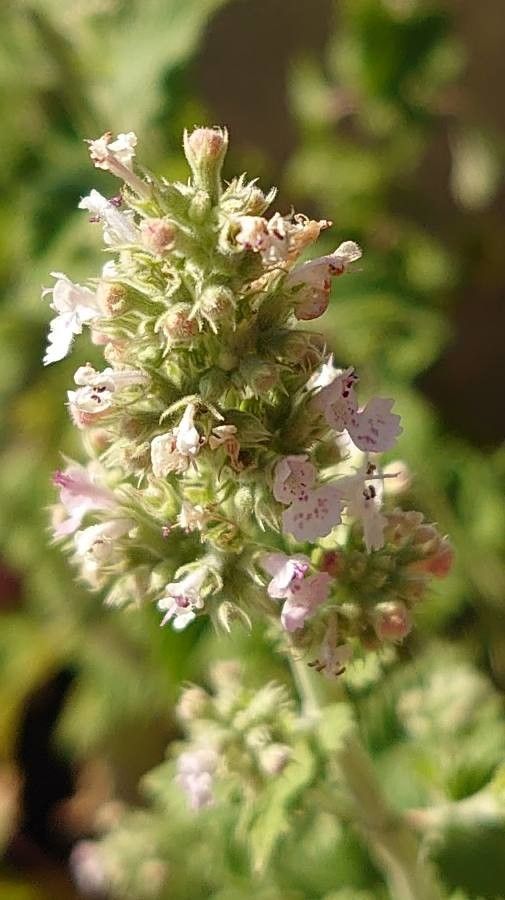
- Catnip (Nepeta cataria) — contains nepetalactone, a natural insect repellent
- Marigolds (Tagetes spp.) — the pungent French varieties are most effective
- Radishes — interplanted as a trap crop that squash bugs sometimes prefer
Companion planting alone won't solve a severe infestation, but combined with hand-picking and physical barriers, it meaningfully reduces pressure.
6. Trap Boards
This old-school technique exploits squash bug behavior: adults seek shelter under flat surfaces overnight. Place pieces of plywood, cardboard, or old shingles (about 12 × 12 inches / 30 × 30 cm) on the soil near your plants in the evening. The next morning, flip the boards and destroy the squash bugs hiding underneath — drop them into soapy water or crush them.

This works surprisingly well because squash bugs are strongly thigmotactic — they actively seek out tight, dark spaces to rest. Run trap boards from June through August, and you'll intercept adults before they can lay eggs.
7. Crop Rotation
Since squash bugs overwinter in the soil and debris near where their host plants grew, rotating your cucurbits to a different bed each year disrupts their lifecycle. Move your squash, zucchini, pumpkin, and melon plantings at least 20 feet (6 meters) from last year's location if possible.
In small gardens where that distance isn't practical, rotate with non-cucurbit crops (tomatoes, beans, root vegetables) for at least one season. Clear all plant debris and fallen fruit at season's end — don't leave overwintering habitat in your beds. This is especially important if you had a bad infestation the previous year.
8. Resistant Varieties
Some cucurbit varieties show measurably better tolerance to squash bug feeding. While no variety is truly immune, these consistently perform better under squash bug pressure:
- Butternut types — thicker stems and harder rinds resist feeding damage better than thin-skinned summer varieties
- 'Royal Acorn' — shows good tolerance in university trials
- 'Tromboncino' (Zucchetta) — an Italian climbing variety that's naturally more resistant, likely due to its Cucurbita moschata genetics
- 'Sweet Cheese' — a C. moschata variety with strong pest resistance
In general, Cucurbita moschata species (butternut, tromboncino, cheese types) tolerate squash bugs better than C. pepo (zucchini, yellow crookneck, acorn) or C. maxima (Hubbard, kabocha). If squash bugs are a persistent problem in your garden, shifting toward moschata varieties can make a real difference.
What Plants Do Squash Bugs Attack?
Squash bugs are specialists on cucurbits — the gourd family (Cucurbitaceae). Their preferred hosts, roughly in order of preference:
- Summer squash (zucchini, yellow crookneck, pattypan) — most vulnerable due to thin stems and soft tissue
- Winter squash (hubbard, delicata, spaghetti) — attacked but somewhat more tolerant
- Pumpkins — highly attractive to squash bugs, especially young plants. If you're growing pumpkins for fall harvest, start monitoring early.
- Melons (cantaloupe, honeydew, watermelon) — less preferred but still susceptible under heavy pressure
- Cucumbers — occasional host, usually only when preferred plants aren't available
- Gourds — ornamental varieties are attacked less frequently
Non-cucurbit crops are safe. Squash bugs won't touch your tomatoes, peppers, beans, or corn. If you notice similar-looking insects on non-cucurbit plants, you're likely dealing with a different species — stink bugs, leaf-footed bugs, or aphids, which require different treatment approaches.
Prevention: Keeping Squash Bugs Out Next Season
Treating an active infestation is important, but prevention is where you really win the long game. These strategies reduce overwintering populations and make your garden less hospitable to squash bugs before they ever arrive.
Fall and Winter Cleanup
- Remove all cucurbit debris immediately after the last harvest — don't let vines, leaves, or rotting fruit sit through winter
- Till or deeply mulch beds where cucurbits grew to disturb overwintering adults hiding in the top few inches of soil
- Clear boards, rocks, and lumber stacked near the garden that provide shelter
- Compost plant material in a hot pile (above 130°F / 54°C) to kill any eggs or adults
Spring and Early Summer Defense
- Use row covers from transplanting until flowering begins — lightweight floating row cover (like Agribon AG-19) creates a physical barrier that prevents adult squash bugs from reaching plants. Remove when flowers open so pollinators can do their work.
- Delay planting slightly — transplanting cucurbits 2 to 3 weeks later than the earliest possible date can help you miss the peak emergence of overwintered adults. They'll move to other food sources or die off.
- Plant extras — put in 20% more seedlings than you need. This gives you a buffer if squash bugs damage a few plants before you catch them.
- Mulch with straw, not wood chips — squash bugs prefer hiding under dense wood mulch; loose straw is less attractive as shelter.
Monitor Like Your Harvest Depends on It
Because it does. Start checking leaf undersides in late May, even before you see any adults. If you spot even one egg cluster, begin your control program immediately — don't wait for visible damage.
Nick from New York learned this the hard way during his first serious vegetable garden. "I had twelve zucchini hills looking beautiful in early July," he told other gardeners in Tendra's community forum. "I noticed a few gray bugs on a Wednesday but figured they were no big deal. By the following Monday, five plants had completely wilted. The stems were just mush." After losing half his crop, Nick started a strict daily scouting routine the next season — 10 minutes every morning with a jar of soapy water. He used Tendra's AI pest diagnosis feature to confirm the ID when he first spotted the bugs, which helped him act immediately instead of spending days trying to figure out what they were. "I had maybe a dozen adults total the entire summer," he said. "The difference is catching them before they lay."
Squash Bug Damage vs. Other Problems
Squash bug damage is sometimes confused with other cucurbit problems. Here's how to tell the difference:
- Squash bug feeding — Leaves develop yellow spots that turn brown and crispy, often starting at the edges. Wilting is rapid and dramatic ("anasa wilt"). Stems may turn dark and mushy at the base. Affected leaves feel dry, not slimy.
- Squash vine borer — Similar sudden wilting, but caused by larvae tunneling inside stems. Look for sawdust-like frass at the base of stems and entry holes. The pest itself is a moth larva, not a true bug.
- Bacterial wilt — Spread by cucumber beetles. Wilting starts with individual leaves and progresses over several days. Cut a wilted stem and touch the sap — bacterial wilt produces a sticky, stringy sap that stretches when pulled apart.
- Powdery mildew — White, powdery coating on leaves. This is a fungal issue, not pest-related.
- Slug damage — Irregular holes in leaves with slime trails. If you're seeing holes rather than wilting, check our guide on how to get rid of slugs and snails naturally instead.
Not sure what you're looking at? Snap a photo of the damage and the insects with Tendra's AI diagnosis tool — it can distinguish between squash bugs, vine borers, cucumber beetles, and other cucurbit pests in seconds, and recommend the right treatment for what's actually attacking your plants.
Putting It All Together: Your Squash Bug Action Plan
Here's what a practical, season-long squash bug management plan looks like for a home garden:
- March–April: Clean up all old cucurbit debris. Plan crop rotation. Order row cover material and resistant varieties.
- May: Transplant cucurbits under row covers. Set out trap boards. Plant companion crops around the perimeter.
- June: Remove row covers when flowering starts. Begin daily egg scouting. Hand-pick adults and nymphs every morning. Apply DE around plant bases.
- July: Continue daily scouting. Spray neem on any nymph clusters. Flip trap boards each morning. This is the highest-pressure month.
- August: Monitor for late-season egg laying. Remove any declining plants promptly to reduce habitat.
- September–October: Clear all plant debris immediately after final harvest. Till or deep-mulch beds. Remove any boards or shelter near the garden.
The gardeners who consistently beat squash bugs aren't using any magic spray or secret technique. They're just paying attention every single day during the critical window. Ten minutes of morning scouting from June through July is worth more than any product you can buy.
Dealing with squash bugs — or any garden pest — gets a lot easier when you can identify the problem fast and connect with other growers who've been through it. Discover AI pest diagnosis and local growing communities with Tendra — where local gardeners connect and thrive.