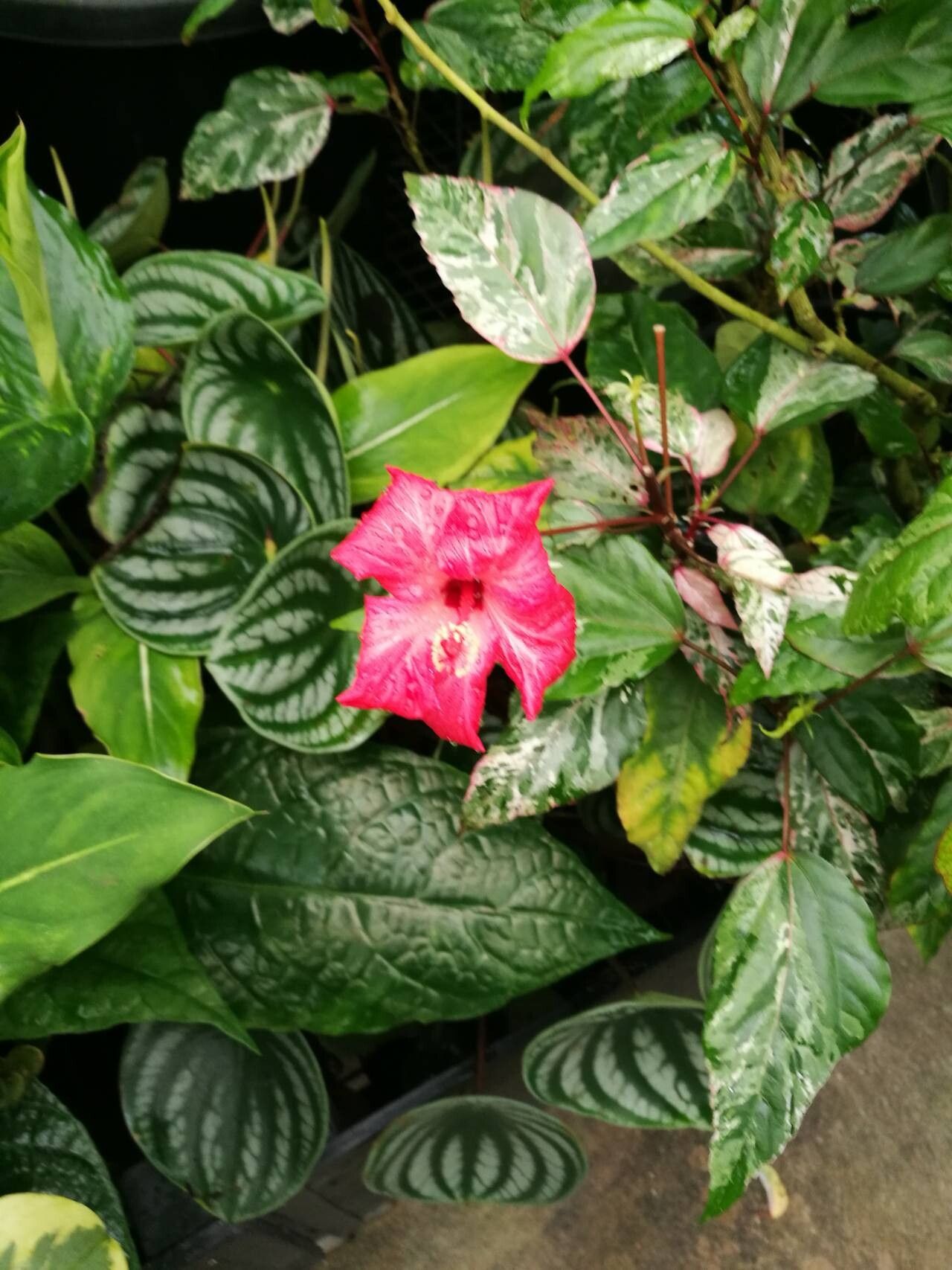
Your garden is already growing some of the most beautiful garnishes, teas, and flavor boosters you'll ever taste — you just might not know it yet. Edible flowers have been part of culinary traditions across every continent for centuries, from Roman banquets to Victorian salads to modern fine-dining plates. And right now, in the middle of summer, your yard is probably full of flowers you can eat.
But here's the catch: not every bloom belongs on your plate, and misidentifying a flower can range from unpleasant to genuinely dangerous. This edible flower list covers 15 beautiful, reliably safe species — their flavor profiles, which parts to eat, how to harvest them, and the one safety rule you absolutely cannot skip.

Before You Eat Any Flower: The Pesticide Rule
This is non-negotiable. Never eat flowers that have been treated with pesticides, herbicides, or systemic insecticides. That includes flowers from florists, nurseries (unless specifically labeled food-safe), roadsides, and most public parks. Systemic pesticides like neonicotinoids are absorbed into every part of the plant — washing won't remove them.
Your safest sources for edible flowers are:
- Your own garden, where you control what goes on the soil
- Organic farms and farmers' markets that grow specifically for culinary use
- Specialty grocery stores with food-grade flower packs
- Foraged flowers from unsprayed areas you know well
Even with safe sources, always do a small taste test first. Eat one petal and wait a few hours. Some people have sensitivities to certain flower compounds, just like any other food.
And if you're foraging and you aren't 100% sure what you're looking at? Don't eat it. Use Tendra's AI plant identification to snap a photo and confirm the species before anything goes near your mouth — that's exactly the kind of moment where a confident ID matters most.
15 Edible Flowers Worth Growing and Eating
This list is organized roughly by how versatile each flower is in the kitchen. Every one of these has a long, documented history of culinary use. For each, I'll cover the flavor, which parts you eat, the best way to harvest, and how to use them when cooking with flowers.
1. Nasturtium

Tropaeolum majus is the gateway edible flower for most gardeners, and for good reason. The entire plant is edible — flowers, leaves, stems, and even the green seed pods (which taste like capers when pickled). The flowers have a bold, peppery bite similar to watercress or arugula, with a faint sweetness underneath.
Flavor: Peppery, slightly sweet, watercress-like
Eat: Whole flowers, leaves, stems, unripe seed pods
Harvest: Pick flowers in the morning after dew dries. Choose fully open blooms.
Uses: Tossed whole into salads, stuffed with herbed cream cheese, blended into pesto, or pickled (the buds make "poor man's capers")
2. Viola and Pansy

Viola tricolor and Viola × wittrockiana — violas and their larger pansy cousins — are the decorators of the edible flower world. Their flavor is mild and slightly grassy with a wintergreen hint, making them perfect where you want beauty without competing with other flavors.
Flavor: Mild, slightly sweet, faint wintergreen
Eat: Whole flowers (remove the green sepals if they're bitter)
Harvest: Pinch at the stem base. They bloom prolifically in cool weather — spring and fall are peak season.
Uses: Pressed into shortbread before baking, frozen in ice cubes for cocktails, candied with egg white and sugar for cake decorating, scattered over spring salads
3. Calendula

Calendula officinalis, often called pot marigold, has been used in European cooking since the Middle Ages. The petals add a golden-yellow color to rice, soups, and baked goods — earning the nickname "poor man's saffron." The flavor is mildly tangy and slightly peppery, with an earthy undertone.
Flavor: Mildly tangy, slightly peppery, earthy
Eat: Petals only (the center and base can be bitter)
Harvest: Pull petals from fully open flower heads. Deadhead regularly to keep plants producing all summer.
Uses: Steeped in oil or butter for golden color, stirred into risotto, scattered over frittatas, dried for tea blends. Pairs beautifully with herbs — if you're growing herbs from seed, plant calendula alongside them.
4. Lavender

Lavandula angustifolia (English lavender) is the culinary go-to — it's sweeter and less camphor-heavy than French or Spanish varieties. The flavor is intensely floral with citrus and mint undertones. The critical rule: use it sparingly. Too much lavender and your lemon cake tastes like a soap bar.
Flavor: Intensely floral, citrus-mint undertones, slightly sweet
Eat: Flower buds and open flowers (buds are more concentrated)
Harvest: Cut stems when about half the buds on the spike have opened. Morning harvest retains the most essential oils.
Uses: Infused into simple syrup for cocktails, folded into shortbread dough, steeped in cream for lavender crème brûlée, added to herbes de Provence blends. For a deeper dive into growing your own supply, check out our complete lavender growing guide.
5. Borage

Borago officinalis produces one of the most striking edible flowers you'll find — vivid blue, perfectly star-shaped, and with a flavor that catches everyone off guard: cucumber. Fresh, clean, cool cucumber. They're a natural garnish for gin and tonics, Pimm's cups, and summer lemonade.
Flavor: Cool cucumber, mildly sweet
Eat: Flowers only (the leaves and stems are edible but very hairy)
Harvest: Gently pinch off individual flowers — they detach easily. Use the same day; borage wilts fast.
Uses: Frozen in ice cubes for pitchers, floated on soups, scattered over cucumber salads (double cucumber!), candied for dessert garnish
6. Chive Blossoms

Allium schoenoprasum — yes, the same chives you grow for their green tops — produce gorgeous purple pompom flowers that taste like a milder version of the chive itself. They're one of the most underused edible flowers in home gardens because people either don't know they're edible or cut them off to redirect the plant's energy.
Flavor: Mild onion, delicate garlic undertone
Eat: Whole flower heads (break apart the individual florets for a gentler presentation)
Harvest: Snip when fully open and vibrant. Once they start to brown, the flavor turns sharp.
Uses: Separated into florets over baked potatoes, infused in white wine vinegar (turns it a stunning pink), mixed into cream cheese or compound butter, scattered over deviled eggs
7. Squash Blossoms

Cucurbita species — zucchini, pumpkin, butternut, any squash — all produce large, golden, trumpet-shaped flowers that are a delicacy in Italian and Mexican cooking. The flavor is mild and slightly sweet with a faint squash-like vegetal quality. Male flowers (the ones on long thin stems with no fruit swelling behind them) are the ones to pick, so you don't sacrifice your harvest.
Flavor: Mild, slightly sweet, delicate squash undertone
Eat: Whole flowers (remove the pistil/stamen inside for a cleaner bite)
Harvest: Pick male flowers in the morning when they're fully open. Use within hours — they close and wilt by afternoon.
Uses: Stuffed with ricotta and herbs then battered and fried (the classic), folded into quesadillas, added to frittatas, tossed raw into pasta. If you're growing squash this summer, you already have an endless supply.
8. Rose Petals

Rosa species have been used in Middle Eastern, South Asian, and European cuisine for millennia. Rose water, rose syrup, Turkish delight, gulkand — the applications are vast. The key: fragrance equals flavor. Modern hybrid tea roses bred for looks often have almost no scent and taste like... nothing. Seek out old-fashioned varieties like 'Apothecary's Rose' (Rosa gallica var. officinalis), rugosas, or damasks.
Flavor: Perfumed, sweet, slightly fruity (varies enormously by variety)
Eat: Petals only — snip off the white base of each petal (it's bitter)
Harvest: Pick in the morning when oils are concentrated. Choose blooms at full opening, not past peak.
Uses: Rose petal jam, infused into honey or sugar, blended into lassi or lemonade, layered in Persian rice (tahdig), dried for tea
9. Marigold

Here's an important distinction: the best culinary marigolds are signet marigolds (Tagetes tenuifolia), not the big pom-pom African marigolds. Signet varieties like 'Lemon Gem' and 'Tangerine Gem' have a citrusy, tarragon-like flavor that's genuinely delicious. Standard Tagetes erecta and T. patula are technically edible but taste more pungent and medicinal.
Flavor: Citrusy, tarragon-like (signet types); pungent, musky (standard types)
Eat: Petals only
Harvest: Pull petals from freshly opened flower heads. Signet marigolds produce prolifically all summer.
Uses: Scattered over grain bowls, mixed into cornbread batter, steeped in cream for custards, added to fruit salads. Plant them alongside your pollinator-friendly garden for double duty.
10. Chamomile

Matricaria chamomilla (German chamomile) and Chamaemelum nobile (Roman chamomile) both produce the familiar apple-scented flowers most people know from tea bags. But fresh chamomile is a completely different experience from dried — brighter, more apple-forward, with a honey-like sweetness that dried flowers lose.
Flavor: Apple-honey, floral, mildly sweet
Eat: Whole flower heads
Harvest: Pick when petals are fully open and pointing slightly downward. Harvest in the afternoon when moisture has evaporated.
Uses: Fresh or dried for tea (obviously), infused into simple syrup, steeped in cream for panna cotta, added to shortbread dough, muddled into cocktails. Note: If you're allergic to ragweed, start with a very small amount — cross-reactivity is possible.
11. Dandelion

Taraxacum officinale — the bane of perfect-lawn enthusiasts — is one of the most nutritious plants you can eat. The entire plant is edible: flowers, leaves, stems, and roots. The flowers have a mild, slightly sweet, honey-like flavor when young, turning bitter as they mature. Young spring dandelion petals are the best for eating.
Flavor: Mildly sweet, honey-like (young flowers); bitter (mature flowers)
Eat: Petals (pull them from the green base, which is bitter), young leaves, roots
Harvest: Pick young flowers that have just opened, ideally in spring. Harvest from areas you know haven't been sprayed — this is critical with dandelions since they grow everywhere including chemically treated lawns.
Uses: Dandelion petal fritters, dandelion wine, scattered over salads, infused into honey (dandelion "honey" is a real thing and it's fantastic), sautéed with garlic as a side dish
12. Hibiscus

Hibiscus sabdariffa (Roselle) is the species used culinarily — not the ornamental hibiscus you see in landscaping. The calyces (the fleshy red parts that surround the seed pod after petals drop) are what you harvest. They produce the deep ruby-red color and tart, cranberry-like flavor in agua de jamaica, hibiscus tea, and West African bissap. If you're in zones 9–11 (or growing in containers you can bring inside), you can grow your own.
Flavor: Tart, cranberry-like, slightly floral
Eat: Calyces (not the petals — the fleshy part around the developing seed pod)
Harvest: Harvest calyces about 10 days after the flower blooms and the petals fall. The calyx should be plump and deep red, about 1–2 inches (2.5–5 cm) across.
Uses: Steeped for tea (hot or iced), boiled into syrup for cocktails, made into jam, dried and ground as a tart seasoning, the base ingredient in agua de jamaica and West African bissap
13. Bee Balm

Monarda didyma is a native North American wildflower with a fascinating culinary history. The Oswego people brewed it into tea, and after the Boston Tea Party, American colonists adopted it as a substitute for English tea — earning it the name "Oswego tea." The flavor is complex: oregano-meets-mint with bergamot citrus notes (hence its other common name, wild bergamot).
Flavor: Minty, oregano-like, with bergamot citrus notes
Eat: Petals and leaves (both are flavorful)
Harvest: Pick individual florets from the flower head, or harvest whole heads for drying. Best just as flowers open fully.
Uses: Brewed as tea (traditionally and still excellent), scattered over fruit salads, mixed into pork or poultry rubs, muddled into lemonade, used in place of oregano in pasta sauces for an interesting twist. This is one of the best summer-blooming flowers you can grow — and a major pollinator magnet.
14. Daylily

Hemerocallis species — specifically the common orange daylily (H. fulva) — have been eaten in China for thousands of years, where dried daylily buds (called "golden needles" or 金针) are a staple ingredient. Important: Do not confuse daylilies with true lilies (Lilium species), which can be toxic. True lilies have bulbs with overlapping scales; daylilies have fleshy, tuberous roots. When in doubt, Tendra's photo ID can confirm the species in seconds — and this is one case where getting it right genuinely matters.
Flavor: Mildly sweet, slightly vegetal, green-bean-like (buds); lettuce-like (petals)
Eat: Flower buds (most flavorful), open petals, and even young tubers
Harvest: Pick buds the day before they open (plump and showing color but still closed) for the best flavor and texture. Open flowers work too but are more delicate.
Uses: Stir-fried buds with garlic and soy sauce (classic Chinese preparation), battered and fried, added to hot and sour soup, fresh petals stuffed with cream cheese. Note: Some people experience digestive sensitivity to daylilies — eat a small amount your first time.
15. Sunflower Petals

Everyone knows sunflower seeds, but Helianthus annuus petals are edible too — and they're striking on a plate. The flavor is bittersweet and slightly nutty, more subtle than you'd expect from such a bold flower. The young, unopened buds can also be steamed and eaten like artichoke hearts (they're in the same family).
Flavor: Bittersweet, mildly nutty, slightly earthy
Eat: Petals (ray florets), unopened buds, sprouts
Harvest: Pull individual petals from freshly opened flowers. For buds, harvest when the head is still tight and about 2–3 inches (5–7.5 cm) across.
Uses: Petals tossed into salads for color, stirred into rice pilafs, steeped in vinegar, buds steamed and served with butter like artichokes. For growing tips, see our guide on growing sunflowers from seed.
How to Harvest Edible Flowers Safely
Regardless of the species, follow these guidelines every time you harvest flowers for eating:
- Harvest in the morning after dew has dried but before afternoon heat wilts the petals. This is when essential oils — and therefore flavor — are most concentrated.
- Choose flowers at their peak. Fully open, vibrant, with no browning or wilting. Past-prime flowers taste bitter and have less nutritional value.
- Shake gently to dislodge any insects. A quick rinse in cool water and a pat dry with paper towels is usually sufficient.
- Remove stamens, pistils, and sepals from larger flowers — these parts are often bitter. For small flowers like violas, the whole bloom is fine.
- Use immediately or store carefully. Most edible flowers are delicate. Layer between damp paper towels in a sealed container and refrigerate. They'll keep 2–5 days depending on the species.
- Never harvest from roadsides, chemically treated lawns, or areas near heavy traffic. Lead and other contaminants accumulate in roadside plants.
Nick's Edible Flower Story: From Skeptic to Forager
Nick from New York grew up thinking flowers were strictly for looking at. "My grandmother had this huge rose garden in Queens," he says. "If you touched a bloom, you'd hear about it." When a friend handed him a nasturtium at a farmers' market two years ago and said "eat it," he thought she was messing with him.
"That peppery hit — I wasn't expecting it. I went home and started reading about which flowers are safe to eat, and it completely changed how I look at my little balcony garden." Now Nick grows nasturtiums, violas, and chive blossoms in containers on his Brooklyn fire escape — 5 square feet (about 0.5 square meters) total — and uses them in everything from scrambled eggs to cocktail garnishes.
"The chive blossom vinegar was the thing that hooked me. You just stuff the blossoms in a jar of white wine vinegar, wait two weeks, and it turns this incredible pink color. I brought a bottle to a dinner party and people lost their minds."
Flowers You Can Eat: Quick Reference Table
Here's a summary of all 15 edible flowers, their key flavors, and best uses:
- Nasturtium — Peppery, sweet — Salads, pesto, pickled buds
- Viola/Pansy — Mild, wintergreen — Candied, frozen in ice, cake decor
- Calendula — Tangy, peppery — Rice coloring, tea, infused butter
- Lavender — Intensely floral — Baking, syrups, cocktails
- Borage — Cool cucumber — Ice cubes, drinks, soups
- Chive Blossoms — Mild onion — Vinegar, compound butter, eggs
- Squash Blossoms — Mild, sweet — Stuffed and fried, quesadillas
- Rose Petals — Perfumed, sweet — Jam, infused sugar, Persian rice
- Marigold (Signet) — Citrusy, tarragon — Cornbread, grain bowls, custards
- Chamomile — Apple-honey — Tea, panna cotta, cocktails
- Dandelion — Honey-like — Fritters, wine, infused honey
- Hibiscus — Tart, cranberry — Tea, syrup, agua de jamaica
- Bee Balm — Minty, bergamot — Tea, rubs, lemonade
- Daylily — Sweet, green-bean — Stir-fried buds, soup
- Sunflower — Bittersweet, nutty — Salads, rice, steamed buds
Cooking with Flowers: Tips for Getting Started
If you're new to cooking with flowers, here are a few principles that'll save you from the most common mistakes:
- Start mild, go bold. Begin with violas and calendula before working up to lavender and bee balm. Strongly flavored flowers can overwhelm a dish fast.
- Add at the end. Most edible flowers lose their color, texture, and flavor when cooked. Add them as a finishing touch — the exception being squash blossoms and daylily buds, which are meant to be cooked.
- Match flavors intentionally. Peppery nasturtiums work in savory dishes. Sweet violas pair with desserts. Cucumber-flavored borage loves gin. Think of them as an ingredient, not just decoration.
- Respect the dose. Lavender, rose, and bee balm are potent. A quarter teaspoon of dried lavender in a whole batch of cookies is plenty. Double it and you'll regret it.
- Dry your surplus. Many edible flowers dry well — chamomile, calendula, lavender, rose petals, and bee balm all keep for months in airtight containers. Spread in a single layer on a screen or baking sheet and air-dry for 3–5 days, or use a dehydrator at 95°F (35°C).
Grow Your Own Edible Flower Garden
The best part about this entire list? Most of these flowers are ridiculously easy to grow. Nasturtiums, calendula, and borage are direct-sow annuals that germinate in days. Chives, bee balm, and chamomile are perennials that come back year after year. Lavender and roses are shrubs that give you years of blooms once established.
A 4×4-foot (1.2×1.2-meter) raised bed can hold nasturtiums along the edges, chives in one corner, calendula in the center, and violas tucked into any remaining gaps. You'll have more edible flowers than you can use from late spring through fall.
For container gardeners like Nick, even a few pots on a balcony can keep you supplied. Nasturtiums trail beautifully over pot edges, violas stay compact, and chives need almost no maintenance.
Wherever your garden grows, the flowers are already there — you just need to look at them differently. Discover what's blooming around you with Tendra — where local gardeners connect and thrive.