Why March Is the Most Important Month for Your Garden
March sits at the crossroads of winter and spring. For most of the United States, it's the month that determines whether your summer garden will be abundant or underwhelming. Get your timing right, and you'll have a head start that compounds all season long. Get it wrong, and you'll spend June playing catch-up while your neighbors are already harvesting salads.
Here's a surprising fact: according to the National Gardening Association, gardeners who start planting in March harvest an average of 3–4 weeks earlier than those who wait until April. That's not just more time enjoying fresh produce — it's often the difference between beating the summer heat and watching your lettuce bolt before you pick a single leaf.
The key is knowing your last frost date. This single data point unlocks your entire planting calendar. Every vegetable, herb, and flower has a recommended planting window relative to that date — and March is when those windows start opening across most of the country. If you're unsure of your zone, Tendra's Smart Care Reminders can pinpoint your local microclimate and send you personalized alerts for the optimal planting window — no guesswork required.
But frost dates are only part of the equation. Soil temperature matters just as much, if not more. Seeds don't care what the air feels like — they respond to the warmth (or cold) of the ground they're sitting in. A cheap soil thermometer is the single best investment you can make this month. More on that later.
Cool-Season Crops: What to Direct Sow in March
Cool-season vegetables are the undisputed stars of March planting. Unlike their warm-season cousins (tomatoes, peppers, squash), these crops actually prefer cooler soil and air temperatures. Many can tolerate light frost, and some — like kale and spinach — taste noticeably better after a cold snap. If you've been waiting for the "right time" to start your garden, this is it.
Leafy Greens
Greens are the fastest path from seed to salad bowl, and March gives them exactly the conditions they crave.
- Lettuce (Lactuca sativa) — Direct sow as soon as soil is workable, even if nighttime temperatures still dip below freezing. Lettuce germinates in soil as cool as 40°F (4°C), though 55–65°F (13–18°C) is ideal. The key strategy: succession plant a small row every 2 weeks through April. This gives you a continuous harvest instead of 40 heads of lettuce all ripening the same week. Mix varieties — butterhead for tenderness, romaine for crunch, and red leaf for color and mild bitterness.
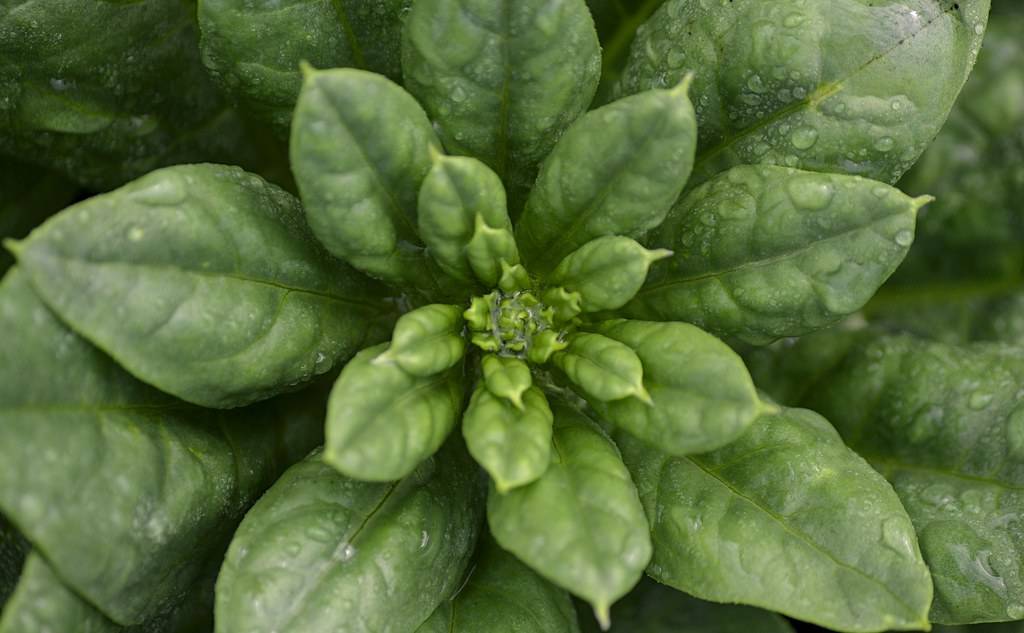
- Spinach (Spinacia oleracea) — One of the hardiest spring greens and a nutritional powerhouse. Sow seeds 4–6 weeks before your last frost date, about ½ inch (1.3 cm) deep and 2 inches (5 cm) apart. Spinach prefers soil temperatures of 45–65°F (7–18°C) and will bolt quickly once temperatures exceed 75°F (24°C), so don't delay. For extended harvest, try slow-bolt varieties like 'Bloomsdale Long Standing' or 'Space'. A lesser-known trick: spinach germinated in cooler soil produces thicker, more flavorful leaves than spinach started in warm conditions.
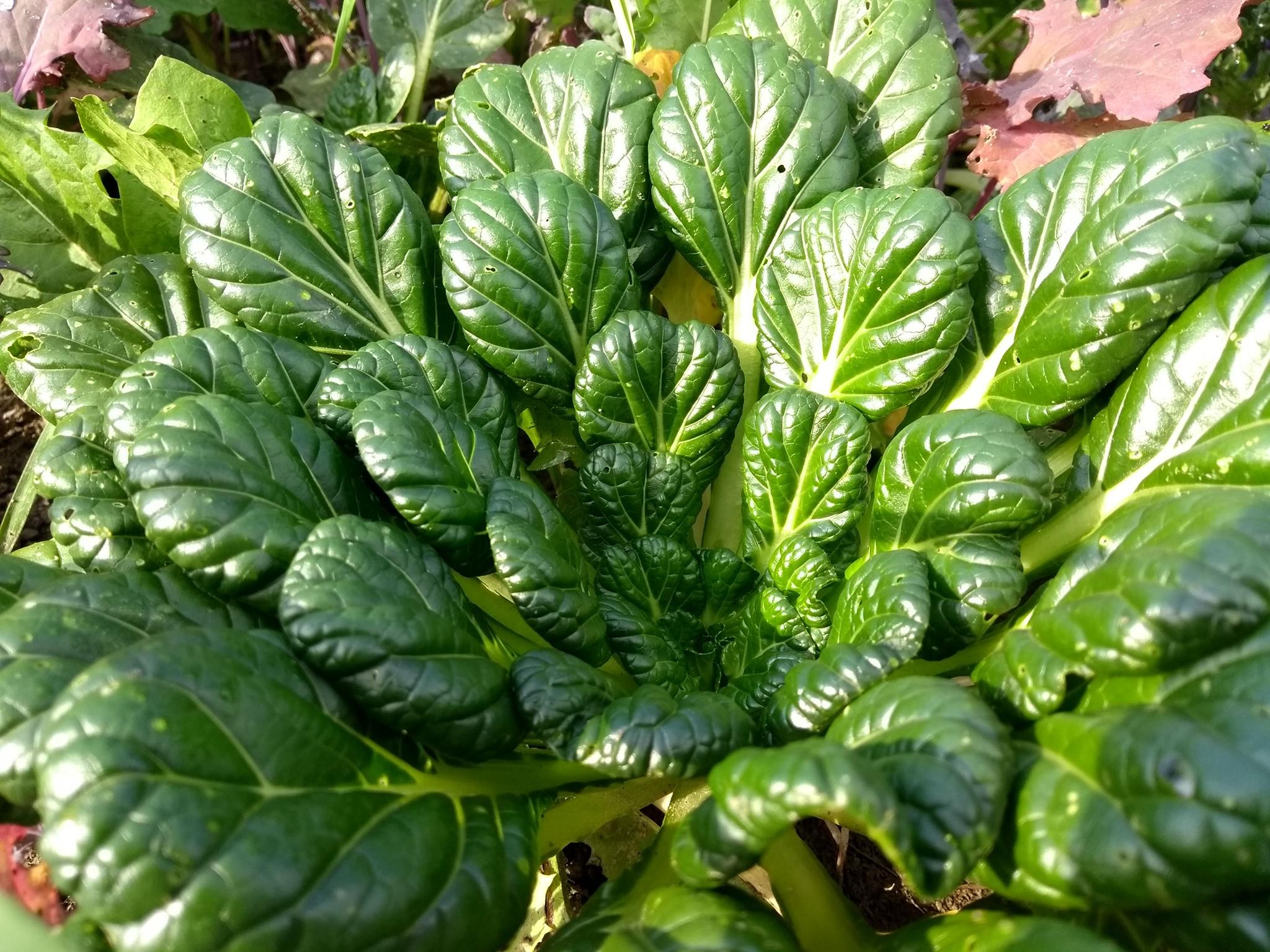
- Kale (Brassica oleracea var. sabellica) — Direct sow or transplant starts. Kale is remarkably cold-tolerant and can survive temperatures down to 20°F (-7°C). Here's the science behind the flavor improvement: frost triggers the plant to convert starches into sugars as a natural antifreeze mechanism, resulting in sweeter, less bitter leaves. 'Lacinato' (dinosaur kale) is the most cold-hardy, while 'Red Russian' offers beautiful purple-veined leaves that intensify in color with cold exposure. Plant seeds ¼–½ inch deep, 12–18 inches (30–45 cm) apart.
- Swiss Chard (Beta vulgaris subsp. vulgaris) — Often overlooked but incredibly productive and ornamental. 'Bright Lights' produces stems in red, orange, yellow, pink, and white — gorgeous enough for a flower border. Plant seeds 1 inch (2.5 cm) deep, 4 inches (10 cm) apart, thinning to 12 inches (30 cm) when seedlings have 4 true leaves. Chard tolerates both heat and cold better than most greens, making it one of the longest-producing crops in the garden — a single planting in March can yield harvests through November in many zones.
- Arugula (Eruca vesicaria) — The speed demon of the salad garden. Seeds germinate in as few as 4 days and leaves are harvestable in just 3 weeks. Sow thickly for baby greens or thin to 6 inches (15 cm) for full-sized leaves. Arugula's peppery bite mellows in cool weather and intensifies in heat, so March-sown arugula is the mildest and most versatile you'll grow all year.
Root Vegetables
Root crops planted in March develop in cool soil, which produces sweeter, more tender roots than summer plantings. Direct sow all of these — root vegetables don't transplant well because any disturbance to the taproot causes forking or stunting.
- Radishes (Raphanus sativus) — The fastest reward in the garden, period. Cherry Belle and French Breakfast varieties are ready to harvest in just 25–30 days from sowing. Plant seeds ½ inch (1.3 cm) deep, 1 inch (2.5 cm) apart, in rows 6 inches (15 cm) apart. Sow a small row every 10 days for a steady supply through spring. Here's a companion planting trick: sow radish seeds alongside slow-germinating carrots. The radishes mark the row, break up soil crust for the carrots, and are harvested before the carrots need the space.
- Carrots (Daucus carota) — Patience is the name of the game. Carrot seeds take 14–21 days to germinate — much longer than most vegetables — and the tiny seedlings are easily lost to weeds or soil crusting. Sow in loose, stone-free soil at least 12 inches (30 cm) deep for long varieties like 'Imperator', or choose shorter 'Chantenay' or 'Danvers' types for heavier soil. Keep the seedbed consistently moist during germination by covering with a thin layer of vermiculite or burlap. Thin seedlings to 2 inches (5 cm) apart once they reach 2 inches tall — crowded carrots produce misshapen roots.
- Beets (Beta vulgaris) — Each beet "seed" is actually a dried fruit cluster containing 2–4 seeds, which is why beet seedlings always seem to come up in clumps. Thin to 3 inches (8 cm) apart once seedlings are 2 inches tall — and eat the thinnings as microgreens. Beets are dual-purpose: the roots are sweet roasted, and the greens are nutritious sautéed with garlic. 'Detroit Dark Red' is the classic, but 'Chioggia' (with its candy-striped interior) and golden beets add visual excitement to the garden and the plate. Sow seeds 1 inch (2.5 cm) deep in soil amended with compost — beets prefer loose, well-drained soil with a pH of 6.0–7.0.
- Turnips (Brassica rapa) — An underrated dual-purpose crop: harvest the roots at 2–3 inches (5–8 cm) diameter for the sweetest flavor, and use the greens as a nutrient-dense cooking green that tastes similar to mustard greens. 'Hakurei' (Japanese turnips) are exceptionally tender and can be eaten raw like an apple. Matures in just 30–45 days for baby turnips, 50–60 days for full-sized roots. Sow seeds ¼ inch deep, 2 inches apart.
Alliums, Peas, and Brassicas
These crops round out the March garden with essential flavors and impressive cold tolerance.
- Onions (Allium cepa) — March is a critical planting window for onions, which need a long growing season (90–120 days) to form full-sized bulbs. Plant sets (small bulbs) or transplants for the best results — onion seeds started this late may not bulb properly. Important: choose the right day-length variety for your latitude. Long-day varieties (like 'Walla Walla' and 'Copra') need 14–16 hours of daylight to trigger bulbing, making them ideal for zones 6 and above. Short-day varieties ('Texas Sweet', 'Vidalia') need only 10–12 hours, suited for zones 7 and below. Get this wrong and your onions will produce beautiful greens but never form bulbs.
- Peas (Pisum sativum) — Sow peas as soon as soil can be worked, even if it's still chilly. Peas are one of the few vegetables that fix nitrogen from the air into the soil through symbiotic bacteria on their roots, actually improving soil fertility as they grow. For best results, inoculate seeds with rhizobium bacteria before planting (available at garden centers for a few dollars). Install trellising at planting time — you won't want to disturb roots later. Choose between shelling peas, snap peas (edible pods), or snow peas depending on your preference. Plant seeds 1 inch (2.5 cm) deep, 2 inches (5 cm) apart, in double rows 6 inches (15 cm) apart along a trellis.
- Broccoli, Cauliflower, and Cabbage — These brassicas need a head start to mature before summer heat arrives. If you started seeds indoors 6–8 weeks ago, March is transplanting time (after hardening off). If not, purchase transplants from a nursery. Space plants 18–24 inches (45–60 cm) apart in rich soil amended with compost. These are heavy feeders — side-dress with nitrogen-rich fertilizer when heads begin to form. A critical note: brassicas won't form heads properly if exposed to prolonged temperatures above 80°F (27°C), so timing matters more for these crops than almost anything else in the garden.
What to Start Indoors in March
While it's too early to plant warm-season crops outside in most zones, March is prime time to start them indoors. This gives transplants a 6–8 week head start before they move to the garden after your last frost date. Indoor seed starting is where experienced gardeners gain their biggest advantage over those who rely solely on nursery transplants.

Warm-Season Vegetables to Start Now
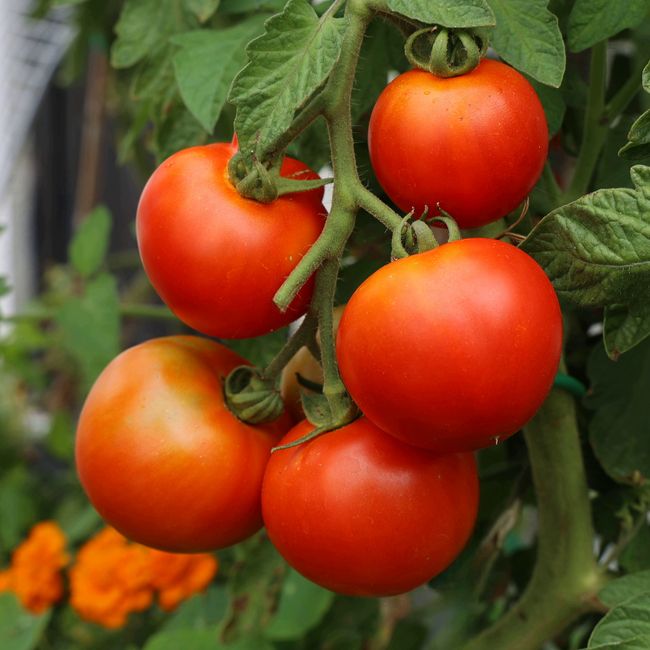
- Tomatoes (Solanum lycopersicum) — Start seeds 6–8 weeks before your last frost date. Use a seedling heat mat to maintain soil temperature of 70–80°F (21–27°C) for optimal germination — without bottom heat, germination can take 2–3 weeks instead of 5–7 days. Sow seeds ¼ inch deep in sterile seed-starting mix (never garden soil, which harbors damping-off fungi). Once seedlings develop their first set of true leaves, transplant into 3–4 inch pots. Provide 14–16 hours of light daily using a grow light positioned 2–4 inches above the seedlings. Leggy, stretched-out tomato seedlings are the #1 sign of insufficient light.
- Peppers (Capsicum spp.) — Even slower to mature than tomatoes, peppers need 8–10 weeks of indoor growing time before transplanting. They're also fussier about temperature: germination requires a consistent 80–85°F (27–29°C) soil temperature, and seedlings grow best at 70–75°F (21–24°C) during the day. Don't rush peppers outside — they sulk in cold soil and may never recover. Hot pepper varieties (habaneros, ghost peppers) need even more time than sweet peppers, so start those first.
- Eggplant (Solanum melongena) — Similar timeline and requirements to peppers. Start 8–10 weeks before last frost in warm, well-lit conditions. Eggplant seedlings are particularly sensitive to cold drafts — keep them away from windows on chilly nights. 'Black Beauty' is the classic variety, but Japanese eggplants ('Ichiban', 'Orient Express') are more productive and faster-maturing in short-season areas.
- Squash and Cucumbers (Cucurbita and Cucumis spp.) — Start indoors only 3–4 weeks before your transplant date. These fast-growing vines become rootbound quickly and don't tolerate root disturbance, so use biodegradable peat pots or soil blocks that can be planted directly into the garden. Sow seeds 1 inch deep, 2 per pot, and thin to the strongest seedling.
Pro tip: Label everything with waterproof markers on plant tags. It sounds obvious, but by week three, every tomato seedling looks identical, and every pepper looks like a tomato. Your future self will thank you. Include the variety name and sowing date on each label.

Your March Planting Guide by USDA Zone
Not every zone follows the same timeline. Your USDA Hardiness Zone determines your last frost date, which in turn determines exactly what you can plant and when. Here's what to prioritize based on where you live:
Zones 3–4 (Northern States: Minnesota, Montana, Vermont, North Dakota, Maine)
Last frost: Late May to early June
Soil status in March: Still frozen or barely thawing
March is an indoor month for you. Start tomatoes, peppers, eggplant, and brassicas under grow lights. If you haven't ordered seeds yet, do it now — popular varieties sell out by mid-March. One productive outdoor task: spread compost and aged manure over garden beds on top of the snow. As it melts, nutrients work into the soil and you'll have amended beds ready for planting in May without any spring tilling. Also prune dormant fruit trees and berry bushes before buds swell.
Zones 5–6 (Midwest and Northeast: Ohio, Pennsylvania, Colorado, Iowa, Connecticut)
Last frost: Mid-April to mid-May
Soil status in March: Thawing, workable by mid-month in most years
You're in the sweet spot for cool-season planting. Direct sow peas, spinach, lettuce, radishes, and kale by mid-March if soil is workable (crumbles when squeezed, doesn't form a sticky ball). Continue starting warm-season crops indoors. This is also the ideal time to plant bare-root fruit trees, roses, and berry bushes — they establish better when planted dormant. Divide and transplant perennial herbs like chives, oregano, and thyme. Apply pre-emergent weed control to lawn areas if desired, but keep it away from vegetable beds.
Zones 7–8 (Mid-South and Pacific Northwest: Tennessee, Oregon, Texas, Georgia, Washington)
Last frost: Late March to mid-April
Soil status in March: Warm enough for most cool-season crops
Full speed ahead. Direct sow all cool-season crops, plus potatoes (plant by St. Patrick's Day — this old gardener's tradition actually aligns perfectly with soil temperatures in these zones). Begin transplanting brassicas and hardening off indoor starts. In the Pacific Northwest, March is also prime time for planting blueberry bushes, raspberry canes, and strawberry crowns. Texas and Deep South gardeners should prioritize fast-maturing cool-season crops since summer heat arrives early — choose bolt-resistant lettuce varieties and plant in partial shade to extend harvest.
Zones 9–10 (Deep South, Southwest, Southern California, Florida)
Last frost: Late January to mid-February (or frost-free year-round)
Soil status in March: Warm and ready for warm-season crops
You're already transitioning to warm-season planting while northern gardeners are still dreaming about spring. Direct sow beans (bush and pole), squash (summer and winter), cucumbers, corn, and melons. Transplant tomatoes, peppers, and eggplant — they should be well-established before the intense summer heat arrives. Plant heat-loving herbs like basil (Ocimum basilicum), cilantro (plant now before it bolts in heat — choose slow-bolt 'Calypso' variety), and lemongrass. Succession plant lettuce in partial shade or under shade cloth to squeeze a few more weeks of harvest before it becomes too warm. Start sweet potato slips for planting in April.
Spring Flowers to Plant in March
Vegetables get all the attention in spring planning, but March is equally important for flowers — both for beauty and for attracting the pollinators your vegetable garden desperately needs. Planting flowers alongside vegetables isn't just aesthetic; it's one of the most effective organic pest management strategies available.
- Sweet Peas (Lathyrus odoratus) — Sow directly as early as possible. Sweet peas are cool-season climbers that produce some of the most intoxicating fragrances in the flower world, but they stop blooming once temperatures exceed 80°F (27°C). The earlier you plant, the longer your bloom window. Soak seeds overnight and nick the seed coat with a nail file before planting for faster germination. Provide a trellis or netting — vines reach 6–8 feet (1.8–2.4 m).
- Pansies and Violas — Transplant into beds, borders, and containers for instant color when everything else is still dormant. These cold-hardy annuals tolerate temperatures down to 20°F (-7°C) and bloom prolifically in cool weather. They fade in summer heat but often bounce back in fall. Available in an extraordinary range of colors and "face" patterns. Deadhead spent blooms regularly to encourage continuous flowering.
- Snapdragons (Antirrhinum majus) — Start from seed indoors 8–10 weeks before last frost, or purchase transplants. These cool-season bloomers fill the gap beautifully between the last spring bulbs and the first summer annuals. Pinch the growing tip when plants are 4 inches tall to encourage bushier growth and more flower spikes. Tall varieties ('Rocket' series) make excellent cut flowers.
- Sunflowers (Helianthus annuus) — In zones 8–10, direct sow in late March. In cooler zones, wait until after last frost. Stagger plantings every 2 weeks from March through June for blooms from summer through fall. 'Mammoth Grey Stripe' reaches 12 feet (3.6 m) for dramatic garden structures, while 'Teddy Bear' stays compact at 2–3 feet (60–90 cm) for containers and borders. Sunflowers are also excellent companion plants — they attract beneficial insects and provide natural trellising for climbing beans.
- Calendula (Calendula officinalis) — An underused garden gem. Direct sow in March for blooms by May. Calendula's bright orange and yellow flowers are edible, medicinal (the petals make soothing skin balms), and powerfully attractive to beneficial insects like hoverflies and ladybugs that prey on aphids. Self-seeds readily, so one planting can provide years of flowers. Thrives in cool weather and tolerates light frost.
Herbs to Plant in March
Don't forget herbs — they're among the easiest and most rewarding crops to start in spring, and many can be sown directly outdoors in March.
- Cilantro (Coriandrum sativum) — Direct sow every 2–3 weeks for continuous harvest. Cilantro bolts quickly in warm weather, so March plantings produce the most leaf before flowering. Choose 'Calypso' or 'Santo' for slower bolting. When it does bolt, let it — the seeds become coriander, and the flowers attract beneficial wasps.
- Dill (Anethum graveolens) — Direct sow in March. Dill doesn't transplant well due to its taproot. Attracts swallowtail butterflies and is an essential companion plant near tomatoes and brassicas. 'Bouquet' for leaf harvest, 'Mammoth' for seed/pickling harvest.
- Parsley (Petroselinum crispum) — Start indoors 6–8 weeks before last frost or direct sow in March. Notoriously slow to germinate (3–4 weeks) — soaking seeds in warm water for 24 hours speeds things up. Both flat-leaf (Italian) and curly varieties are cold-tolerant biennials that survive mild winters.
- Chives (Allium schoenoprasum) — Divide existing clumps or plant new ones in March. Chives are perennial, returning year after year with almost zero maintenance. Their purple flowers are edible and attract pollinators. Plant near roses and fruit trees — chives are reputed to deter aphids and Japanese beetles.
A Real-World March Planting Story
Sam from San Diego learned the hard way that timing matters — even in a mild climate where frost seems like a distant concept. Last March, he planted 12 tomato transplants during a warm spell in the first week of March, excited by daytime temperatures hitting 75°F (24°C). But nighttime temperatures kept dipping into the low 50s (10–12°C), and the soil was still only 58°F at 4 inches deep.
The plants survived, but they stalled. Leaves turned purple — a classic sign of phosphorus deficiency triggered by cold soil (the phosphorus was in the soil, but the roots were too cold to absorb it). The tomatoes didn't produce their first fruit until mid-July, a full month later than his neighbor's plants that went in just three weeks after his.
This year, Sam used Tendra's zone-specific planting reminders, which told him to wait until soil temperature reached 65°F (18°C) at 4 inches deep before transplanting warm-season crops. He also discovered through Tendra's local community feature that experienced San Diego growers overwhelmingly recommend 'Early Girl' and 'Sun Gold' varieties for early spring transplanting — specifically because these cultivars tolerate cooler soil better than most tomato varieties. He also connected with a nearby gardener through Tendra's Twin Plant Mates feature who had 'Sun Gold' seedlings to share, saving him $15 at the nursery.
The result? First ripe tomatoes by early June — three weeks ahead of last year. Sam's takeaway: "Even in zone 10, you can't outsmart soil temperature. And talking to local growers saved me from repeating the same mistake."
7 March Planting Tips You Can Use Today
- Test your soil temperature, not the air. A soil thermometer costs under $10 and prevents the #1 spring planting mistake: sowing into cold soil that rots seeds before they sprout. Insert it 4 inches (10 cm) deep and check in the morning when soil is coolest. Most cool-season crops need at least 40°F (4°C); warm-season crops need 60–65°F (15–18°C).
- Pre-warm beds with black plastic or row covers for 2 weeks before planting. This can raise soil temperature by 10°F (5.5°C) — the equivalent of moving one full USDA zone warmer. Secure edges with soil or rocks to trap heat effectively.
- Harden off transplants gradually. Moving seedlings directly from indoor warmth to outdoor conditions causes transplant shock that can set plants back by weeks. Instead, place transplants outside for 1 hour on day one in a sheltered, shaded spot. Increase exposure by 1 hour each day, gradually introducing more direct sunlight, for 7–10 days before planting permanently.
- Don't skip succession planting. Sow small batches of lettuce, radishes, arugula, and spinach every 10–14 days instead of one big planting. This extends your harvest from weeks to months and prevents the feast-or-famine cycle that frustrates most gardeners.
- Protect early plantings with row cover fabric (Reemay or similar lightweight garden fabric). It adds 4–8°F (2–4°C) of frost protection and excludes early-season pests like flea beetles, cabbage moths, and aphids — all without chemicals. Drape loosely over plants and anchor edges with soil or landscape pins.
- Amend soil before planting, not after. Work 2–3 inches (5–8 cm) of compost into the top 6 inches (15 cm) of your beds before sowing or transplanting. This is dramatically more effective than top-dressing after plants are established, because young roots can immediately access the nutrients and improved soil structure.
- Keep a planting journal. Record what you planted, when, and where — along with weather conditions and germination dates. After 2–3 seasons, this journal becomes more valuable than any gardening book because it reflects your specific microclimate, soil, and growing conditions. Tendra's Smart Care features can help track this digitally, attaching care logs and photos to each plant in your collection.
Make the Most of Your March Garden
March is your garden's launching pad. Whether you're starting seeds under grow lights in a Minnesota basement, direct sowing peas into thawing soil in Pennsylvania, or transplanting tomatoes in a sun-drenched San Diego backyard, the work you do this month sets the tone for the entire growing season.
The smartest move? Know your zone, track your frost dates, monitor your soil temperature, and plant with intention rather than impulse. Seasonal timing isn't about rigid rules — it's about understanding the relationship between your plants and your local climate, then making informed decisions that stack the odds in your favor.
Discover your perfect spring planting schedule with Tendra — where local gardeners connect, share what's working in their zone, and help each other grow thriving gardens. Whether you need reminders for when to start tomato seeds, want to find a nearby gardener growing the same heirloom variety, or simply want to identify that mystery plant sprouting in your yard, Tendra puts the knowledge and community you need right in your pocket.