You walk outside on a warm June morning, coffee in hand, ready to admire your roses — and instead you find a squadron of metallic green-and-copper beetles systematically turning every leaf into lace. If you've ever wondered how to get rid of Japanese beetles, you're far from alone. These voracious feeders are one of the most destructive garden pests in the eastern and central United States, and their territory keeps expanding westward every year. The good news: you can fight back with methods that actually work, without nuking your garden with harsh chemicals.
This guide covers everything from identifying Japanese beetles and understanding their lifecycle to eight proven control methods you can start using today. Whether you're dealing with a handful of beetles or a full-blown infestation, there's a strategy here that fits your situation.

Identifying Japanese Beetles and Their Lifecycle
Before you can tackle japanese beetle control, you need to know exactly what you're dealing with. The Japanese beetle (Popillia japonica) is about 1/2 inch (13 mm) long with a distinctive metallic green head and thorax and copper-brown wing covers. Look closely at the sides of the abdomen and you'll see five tufts of white hair on each side — that's the dead giveaway that separates them from lookalikes like June bugs or green June beetles.
The Four-Stage Lifecycle
Understanding the lifecycle is critical because different control methods target different stages:
- Eggs (mid-summer): Females leave plants in the afternoon to burrow 2–3 inches (5–8 cm) into moist turf, laying 40–60 eggs over their lifespan.
- Grubs (late summer through spring): C-shaped white larvae feed on grass roots through fall, burrow deep for winter, then resume feeding in spring. This is the stage that causes brown patches in lawns.
- Pupae (late spring): Grubs pupate in the soil for about two weeks before emerging as adults.
- Adults (June–August): The beetles you see devouring your garden live 30–45 days. They feed, mate, and lay eggs, then the cycle repeats.
Here's a fact that explains why they're so hard to deal with: a single female can lay up to 60 eggs in her lifetime, and the grubs spend about 10 months underground where most surface-level treatments can't reach them. Effective japanese beetle control means attacking both adults above ground and grubs below.
What Japanese Beetles Eat: Their Most-Targeted Plants
Japanese beetles aren't picky, but they definitely have favorites. Researchers at the USDA have documented over 300 species they'll feed on. Their top targets include:
- Roses — Probably their #1 favorite. They devour both flowers and foliage.
- Grapes — They can strip a grapevine bare in days.
- Linden and birch trees — Prime canopy targets.
- Raspberries and blackberries — Fruit and foliage both take damage.
- Hibiscus and hollyhocks — Flowers and leaves destroyed.
- Stone fruits — Cherries, plums, and peaches attract heavy feeding.
- Beans and asparagus — Common vegetable garden casualties.
- Zinnias and marigolds — Even some companion plants aren't immune to feeding.
Their feeding style is distinctive: they eat the tissue between leaf veins, leaving behind a skeleton of veins that looks like brown lace. This "skeletonizing" damage is how most gardeners first realize they have a problem. On flowers, they chew straight through petals, turning blooms into ragged messes. If you're seeing this kind of damage and aren't sure what's causing it, snapping a photo and running it through an AI diagnostic tool like Tendra's plant diagnosis feature can confirm whether Japanese beetles are your culprit — or if something else entirely is at work.
8 Proven Methods to Get Rid of Japanese Beetles
1. Hand-Picking: The Simplest (and Most Satisfying) Method
It sounds low-tech because it is — and it works remarkably well for small to medium infestations. Japanese beetles are sluggish in early morning when temperatures are cooler. Head out before 7 AM with a bucket of soapy water (a few drops of dish soap in warm water) and knock beetles directly off plants into the bucket. The soap breaks the surface tension so they can't climb out.
Why this works: Japanese beetles release aggregation pheromones when they feed, which attract more beetles. Removing them early means fewer pheromone signals, which means fewer reinforcements. Research from the University of Kentucky found that consistent hand-picking can reduce local populations by 60–70% within a single season when done daily during peak emergence.
Best for: Small gardens, targeted protection of prized plants, organic gardens.
2. Neem Oil: The Organic Repellent and Growth Disruptor

Neem oil is one of the most effective organic beetle removal tools available. Cold-pressed neem oil contains azadirachtin, a compound that disrupts insect feeding, growth, and reproduction. When beetles eat neem-treated foliage, they ingest azadirachtin, which interferes with their hormonal system — they stop eating, fail to reproduce normally, and the females pass it to their eggs, producing grubs that often don't survive.
Mix 2 tablespoons of cold-pressed neem oil with 1 gallon (3.8 liters) of water and a few drops of liquid soap as an emulsifier. Spray thoroughly on both sides of leaves every 7–14 days and after rain. Apply in early morning or evening to avoid leaf burn.
Pro tip: Neem degrades in UV light within 1–2 days, so reapplication consistency is key. It won't kill beetles on contact — it's a deterrent and growth regulator that works over time.
3. Milky Spore: The Long-Term Grub Killer

Milky spore (Paenibacillus popilliae) is a naturally occurring soil bacterium that specifically targets Japanese beetle grubs. When grubs ingest the spores, they develop milky spore disease, turning white and dying within 7–21 days. As infected grubs decompose, they release billions of new spores into the soil, building a self-sustaining population.
Apply milky spore powder in a grid pattern — one teaspoon every 4 feet (1.2 m) across your lawn — in late summer or early fall when grubs are actively feeding near the surface. Water lightly after application. The bacterium needs soil temperatures above 65°F (18°C) to be effective.
The tradeoff: milky spore takes 2–3 years to fully establish in the soil. But once established, it persists for 15–20 years without reapplication. That's a one-time investment for decades of grub control. It's specific to Japanese beetle grubs and won't harm earthworms, beneficial insects, pets, or people.
4. Beneficial Nematodes: The Biological Strike Team
Beneficial nematodes — specifically Heterorhabditis bacteriophora — are microscopic roundworms that actively hunt soil-dwelling grubs. They enter the grub through natural body openings, release symbiotic bacteria that kill the host within 24–48 hours, reproduce inside the carcass, and then the offspring move on to find new grubs.
Apply nematodes in late August or September when grubs are small and near the soil surface. Mix with water per package instructions and spray onto a pre-watered lawn in the evening (nematodes are UV-sensitive). Keep the soil moist for at least two weeks after application.
Unlike milky spore, nematodes work fast — you'll see grub reduction within weeks, not years. The downside is that they don't persist as long in the soil, so annual or biannual reapplication is usually needed. For maximum effect, many experienced gardeners combine nematodes for immediate relief with milky spore for long-term control.
Best for: Gardeners who want faster results than milky spore alone, especially in the first year of a grub problem.
5. Row Covers: Physical Exclusion

Sometimes the best offense is a good defense. Lightweight floating row covers (like Agribon AG-19) create a physical barrier that beetles simply can't get through. Drape them over hoops or directly over plants during peak beetle season (typically mid-June through mid-August, depending on your zone).
Row covers work perfectly for vegetables like beans, peppers, and leafy greens. For fruiting crops that need pollination, remove covers during morning hours when pollinators are active and replace them by afternoon when beetle feeding intensifies. Row covers also reduce feeding on berry patches — a common target. If you're also dealing with slugs and snails in your garden, note that row covers don't help there since slugs travel along the ground beneath them.
Cost: About $15–25 for a 10 × 50 foot (3 × 15 m) roll, reusable for 2–3 seasons.
6. Companion Planting: Strategic Deterrence

Certain plants produce compounds that Japanese beetles find unappetizing. While companion planting alone won't eliminate an infestation, it can significantly reduce damage when combined with other methods. Plants that Japanese beetles tend to avoid include:
- Garlic and chives — The allium compounds repel many insect pests, including beetles.
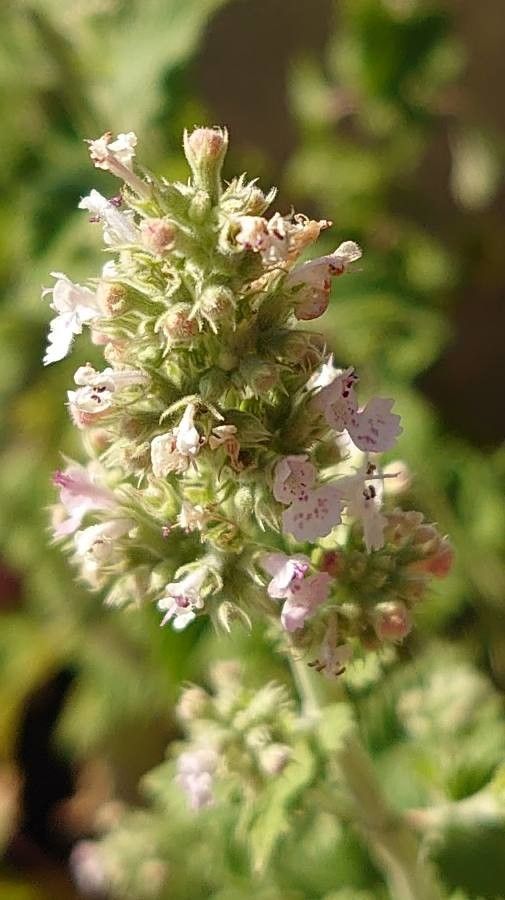
- Catnip (Nepeta cataria) — Contains nepetalactone, which research at Iowa State University found repels Japanese beetles.
- Tansy (Tanacetum vulgare) — Traditional beetle deterrent; plant near roses and grapes.
- Rue (Ruta graveolens) — Strong-scented herb that many beetles avoid.
- Larkspur — Actually toxic to Japanese beetles. They feed on it and die.
- White geraniums — Contain a compound that paralyzes Japanese beetles for several hours after feeding, making them easy prey for birds.
Interplant these among your most vulnerable crops. White geraniums near roses is a particularly clever combination — the beetles eat the geranium petals, become temporarily paralyzed, and fall to the ground where birds and other predators finish them off. This is also a great reason to encourage beneficial insects and pollinators in your garden, since a healthy ecosystem includes natural beetle predators.
7. Pheromone Traps: The Controversial Option
Japanese beetle traps use a combination of floral lures and sex pheromones to attract beetles into a collection bag. They're widely available at garden centers and can catch thousands of beetles. So they work, right? It's complicated.
The problem with japanese beetle traps is well-documented: they attract far more beetles to your yard than they actually catch. A study from the University of Kentucky showed that traps attract beetles from up to 5 miles (8 km) away, but only catch about 75% of the beetles that arrive. That missing 25% lands on your plants — meaning you can actually increase damage by using traps in your own garden.
If you still want to use traps:
- Place them at least 30 feet (9 m) away from any plants you want to protect — ideally at the far edge of your property or beyond.
- Empty bags frequently; full bags stop catching beetles and the decomposing beetles attract even more pests.
- Consider coordinating with neighbors for a neighborhood-wide trapping effort, which is significantly more effective than individual use.
- Best used as a monitoring tool to track population levels rather than as a primary control method.
Verdict: Useful for monitoring and community-wide programs. Counterproductive for individual garden protection unless placed very far from valued plants.
8. Kaolin Clay: The Invisible Armor
Kaolin clay (sold as Surround WP) creates a thin white mineral film on plant surfaces that confuses and irritates feeding insects. When Japanese beetles land on treated foliage, the clay particles cling to their bodies, irritating their legs and mouthparts and making the surface unrecognizable as food. They move on.
Mix 3 cups of kaolin clay powder per gallon (3.8 liters) of water and spray thoroughly, coating both upper and lower leaf surfaces until they appear whitish. Reapply after heavy rain. Kaolin clay is OMRI-listed for organic production and completely non-toxic — it washes off produce easily with water.
This method is especially effective on fruit trees, berry bushes, and ornamentals. The film also reflects sunlight, which can actually reduce heat stress on plants during hot summers. The only cosmetic downside is the white residue, which some gardeners dislike on ornamental plants.
Best for: Fruit trees, berry patches, vegetable gardens. Less ideal for ornamental flower displays where appearance matters.
Nick's Battle in Brooklyn: A Real-World Story
Nick from New York had been growing hybrid tea roses on his Brooklyn rooftop for three years without issue. Then, one July, Japanese beetles found his little urban oasis. "I went up one morning and it looked like something had taken a hole punch to every single leaf," he says. "The blooms I'd been babying for weeks were destroyed overnight."
Nick started with hand-picking — filling a mason jar with soapy water every morning before work. That slowed them down but didn't stop the onslaught. He added neem oil sprays every five days and interplanted garlic chives in his containers. By late July, the feeding damage had dropped dramatically. "The combination approach is what actually worked," Nick says. "No single method was enough."
That fall, he treated his building's small ground-level garden area with beneficial nematodes to target grubs. The following summer, beetle numbers were down by more than half. Nick's experience mirrors what entomologists consistently recommend: layered control that targets both adults and grubs, above and below ground. He also used Tendra to snap photos of the leaf damage early on, confirming through AI diagnosis that Japanese beetles — not caterpillars or leafcutter bees — were the actual problem before spending money on treatments.
Prevention: Stopping Japanese Beetles Before They Start
The most effective japanese beetle control starts before you ever see a single adult. Here's how to make your yard less attractive to them in the first place:
- Reduce lawn irrigation in summer. Female beetles prefer moist soil for egg-laying. Letting your lawn dry out somewhat in July and August makes it a less appealing nursery. Established turf can tolerate going dormant — it'll green up again when rain returns.
- Overseed with resistant grass varieties. Tall fescue and perennial ryegrass have deeper root systems that tolerate grub feeding better than Kentucky bluegrass.
- Encourage natural predators. Birds (especially starlings, robins, and crows), skunks, and raccoons all feed on grubs. Leaving some lawn areas slightly longer provides habitat for ground-hunting birds. Parasitic wasps like Tiphia vernalis are specialist grub parasitoids — you can encourage them by not using broad-spectrum insecticides.
- Plant resistant varieties when possible. If you're adding new plants to your landscape, choose species that beetles tend to ignore: dogwoods, redbuds, hollies, boxwoods, lilacs, and most conifers rarely see significant beetle damage.
- Diversify your plantings. Monocultures of beetle-favorite plants are basically a buffet invitation. Mixing resistant species among susceptible ones breaks up the "landing pattern" and reduces damage spread.
For dealing with other common garden pests alongside Japanese beetles, check out our guides on getting rid of aphids naturally and managing ants in your garden — since a healthy, balanced garden ecosystem is your best long-term defense against all of them.
Timing Your Attack: A Seasonal Action Plan
Timing matters enormously with Japanese beetles. Here's a month-by-month approach for USDA zones 4–8, where they're most prevalent:
- March–April: Apply beneficial nematodes as soil temperatures reach 50°F (10°C). Grubs are moving back up toward the surface after winter dormancy.
- May: Inspect lawns for brown patches indicating grub damage. Apply neem oil preventatively to high-value plants as a deterrent before beetles emerge.
- June–July (peak season): Hand-pick daily in early morning. Spray neem oil or kaolin clay every 7–14 days. Install row covers on vegetable crops. This is the critical window.
- August: Continue adult control methods. Apply milky spore to lawn areas once beetle activity slows and grubs begin hatching below ground.
- September–October: Apply beneficial nematodes for fall grub control. This is often the most effective nematode application timing since grubs are small and vulnerable.
What NOT to Do
A few common mistakes that actually make Japanese beetle problems worse:
- Don't use broad-spectrum insecticides. Products containing carbaryl (Sevin) or pyrethroids kill beetles on contact but also destroy the beneficial insects, parasitic wasps, and predators that help control beetle populations naturally. You win the battle but lose the war.
- Don't place pheromone traps near your garden. As covered above, they attract more beetles than they catch.
- Don't ignore the grub stage. Focusing only on adult beetles means you're fighting the same battle every year. Treating grubs breaks the cycle.
- Don't wait until damage is severe. By the time foliage is heavily skeletonized, beetle pheromones have already attracted a crowd. Early intervention is exponentially more effective.
Putting It All Together
Getting rid of Japanese beetles isn't about finding one magic bullet — it's about layering complementary methods that attack different life stages. A solid integrated plan might look like this: hand-pick adults daily during peak season, spray neem oil or kaolin clay on high-value plants, use row covers on vegetables, plant deterrent species among vulnerable crops, and treat your lawn with milky spore and beneficial nematodes to break the grub cycle underground.
The organic beetle removal methods in this guide won't eliminate every last beetle from your property — that's neither realistic nor necessary. What they will do is reduce populations to manageable levels where your plants can thrive despite the occasional nibble. Gardens are ecosystems, and the goal is balance, not eradication.
If you're not sure what's damaging your plants or want to document your pest control progress, Tendra's AI plant diagnosis can identify pest damage from a quick photo. Discover smarter pest management with Tendra — where local gardeners connect and thrive.