August Is Not Too Late — Here's What Still Has Time to Grow
If you are standing in your garden right now looking at bolted lettuce, spent bean vines, and tomato plants that have clearly peaked, this is the moment most people walk away. The summer crops are winding down, the heat is relentless, and it feels like the season is over. It is not. Knowing what to plant in August is the difference between an empty garden by October and a productive one that keeps delivering well into November and beyond. Late summer is actually one of the best planting windows of the year — if you pick the right crops and understand your zone's first frost date.
August planting is about working backward from frost. You count the days to maturity on the seed packet, add a week or two for the slower growth that comes with shortening days, and figure out whether you still have enough runway. For most of the country, the answer is a confident yes — dozens of crops will still produce a full harvest when started right now.

What to Plant in August: Your Zone-by-Zone Planting Window
Your USDA Hardiness Zone determines how much time you actually have. Here is a realistic breakdown of what August planting looks like across different regions:
Zones 3–4 (Northern Plains, Upper Midwest)
First frost arrives early — often by mid-September. You are working with 30 to 45 days. Stick with fast-maturing greens: arugula (21 days), radishes (25 days), and spinach (28 days). Direct-sow by the first week of August. Anything slower is a gamble unless you have row cover or a cold frame ready.
Zones 5–6 (Northeast, Upper South, Pacific Northwest)
First frost typically lands in mid to late October, giving you 60 to 75 days. This is a generous window. You can direct-sow leafy greens, root crops, and even start brassica transplants. Kale and collards planted now will improve in flavor after a light frost.
Zones 7–8 (Mid-Atlantic, Southeast, North Texas)
With first frost not arriving until November, you have 75 to 90 days of growing time. August is your main fall planting month. Start broccoli, cauliflower, and cabbage transplants. Direct-sow carrots, beets, turnips, and a second round of bush beans. You still have time for fast-maturing cucumber varieties if you get them in by mid-August.
Zones 9–10 (Deep South, Southern California, Gulf Coast)
Frost is barely a factor. Your challenge is heat, not cold. Wait until late August or early September when nighttime temperatures start dropping below 75°F (24°C) before planting cool-season crops. Meanwhile, you can start warm-season crops like a fall round of squash, beans, and even tomato transplants for a winter harvest.
Leafy Greens: The Fastest Wins in Your Fall Garden
If you plant nothing else in August, plant greens. They are the quickest return on your time, and most of them actually taste better in cool weather. Heat makes greens bitter and bolt-prone. Fall greens grown in shortening days and cooler nights develop sweeter, more tender leaves.

Spinach
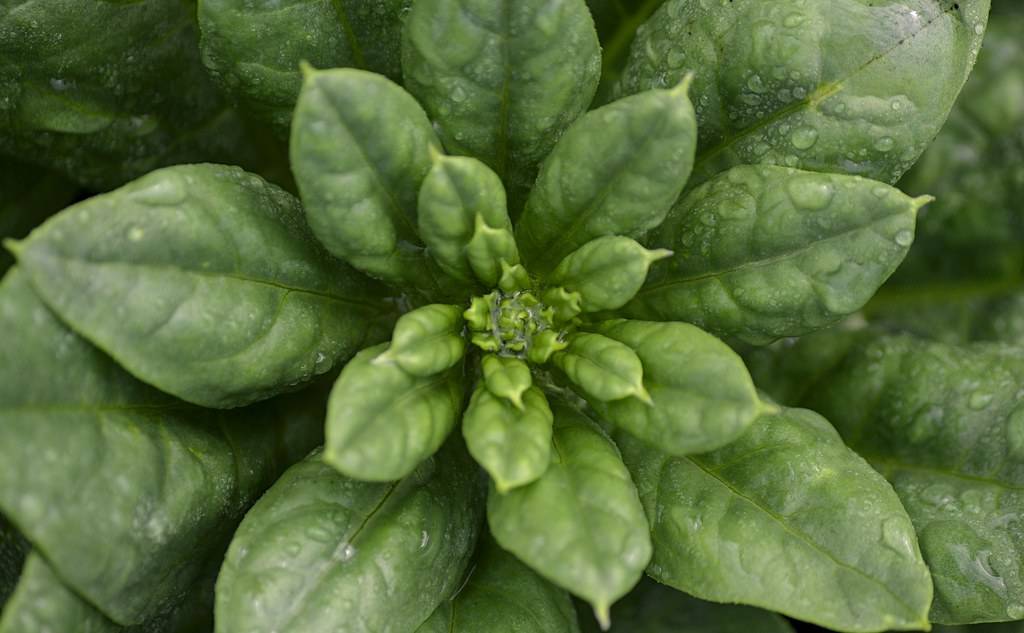
Spinach (Spinacia oleracea) is the gold standard for fall planting. It germinates poorly above 85°F (29°C), so if your soil is still scorching, pre-soak seeds in the refrigerator for 24 hours and sow in the evening. Varieties like 'Bloomsdale Long Standing' and 'Tyee' handle the transition from warm to cool weather well. Days to harvest: 35 to 45. Sow seeds ½ inch (1.3 cm) deep, 2 inches (5 cm) apart, in rows 12 inches (30 cm) apart.
Lettuce
Lettuce (Lactuca sativa) seeds go dormant above 80°F (27°C), a trait called thermodormancy. Get around it by starting seeds indoors or in a shaded spot, then transplanting into the garden after a week. Loose-leaf and romaine types like 'Black Seeded Simpson,' 'Jericho,' and 'Coastal Star' handle late-summer heat better than butterhead varieties. Direct-sow every two weeks for continuous harvests through fall. Days to harvest: 30 to 60 depending on type.
Kale and Collards
Kale (Brassica oleracea var. sabellica) is the toughest green you can grow. It laughs at frost — a hard freeze actually converts starches to sugars, making the leaves noticeably sweeter. Plant transplants or direct-sow seeds now. 'Lacinato' (dinosaur kale) and 'Red Russian' are reliable fall performers. Collards share the same frost tolerance and grow even in zones where kale sometimes struggles with heat. Space plants 18 inches (45 cm) apart and plan to harvest outer leaves continuously rather than pulling the whole plant.
Swiss Chard and Mustard Greens
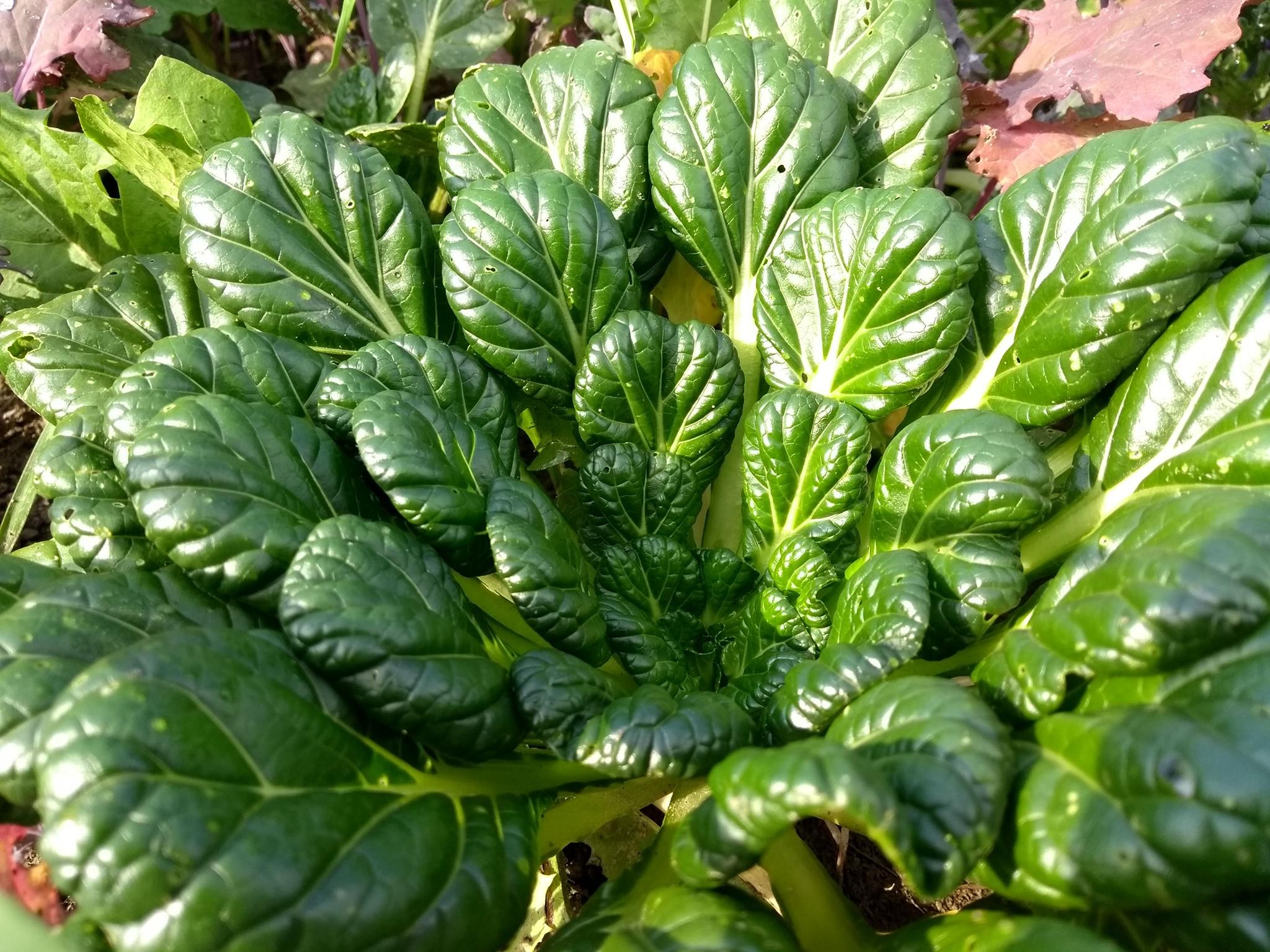
Swiss chard (Beta vulgaris subsp. vulgaris) handles both heat and light frost, making it a bridge crop that keeps producing from summer into fall. 'Bright Lights' gives you red, orange, yellow, and white stems — it is one of the most visually striking things in a fall garden. Mustard greens (Brassica juncea) germinate fast, grow fast, and add a peppery kick to salads. Direct-sow both now; harvest begins in 25 to 35 days.
Brassicas: Start Transplants for a Big Fall Harvest
The brassica family — broccoli, cauliflower, cabbage, Brussels sprouts, and kohlrabi — produces some of the most satisfying fall harvests. These are cool-season crops that struggle in summer heat but thrive when temperatures start dropping into the 60s and 70s°F (15–24°C). The key is getting transplants into the ground now so they establish roots while the soil is warm, then mature their heads as the weather cools.

Broccoli
Broccoli (Brassica oleracea var. italica) needs 50 to 70 days from transplant to harvest. If you are in zones 5–8, set transplants out by mid-August. Space them 18 inches (45 cm) apart in rows 24 inches (60 cm) apart. Fall broccoli often produces tighter, more flavorful heads than spring broccoli because the plants are not rushing to bolt in rising heat. After you cut the main head, most varieties push side shoots for weeks of bonus harvests.
Cauliflower
Cauliflower (Brassica oleracea var. botrytis) is pickier than broccoli — it does not tolerate temperature swings well, and it needs consistent moisture. But fall planting actually gives it more stable conditions than spring. 'Snow Crown' and 'Amazing' are forgiving varieties for fall. Plant transplants 18 to 24 inches (45–60 cm) apart and keep the soil evenly moist. Self-blanching varieties save you the trouble of tying leaves over the head.
Cabbage and Kohlrabi
Cabbage (Brassica oleracea var. capitata) is a patient crop — it takes 70 to 90 days from transplant, so August planting works best in zones 7 and warmer. In cooler zones, choose fast varieties like 'Earliana' (60 days). Kohlrabi (Brassica oleracea var. gongylodes) is often overlooked, but it matures in just 45 to 60 days and tastes like a cross between broccoli stems and apples. Direct-sow or transplant now — it is one of the most underrated fall crops.
Root Crops: Direct-Sow Now for Fall and Winter Storage
Root vegetables are ideal August plantings because they go straight into the ground as seeds — no transplanting fuss — and many of them actually store well right in the soil through early winter. A light mulch and some row cover can keep carrots and beets harvestable well past your first frost.

Carrots
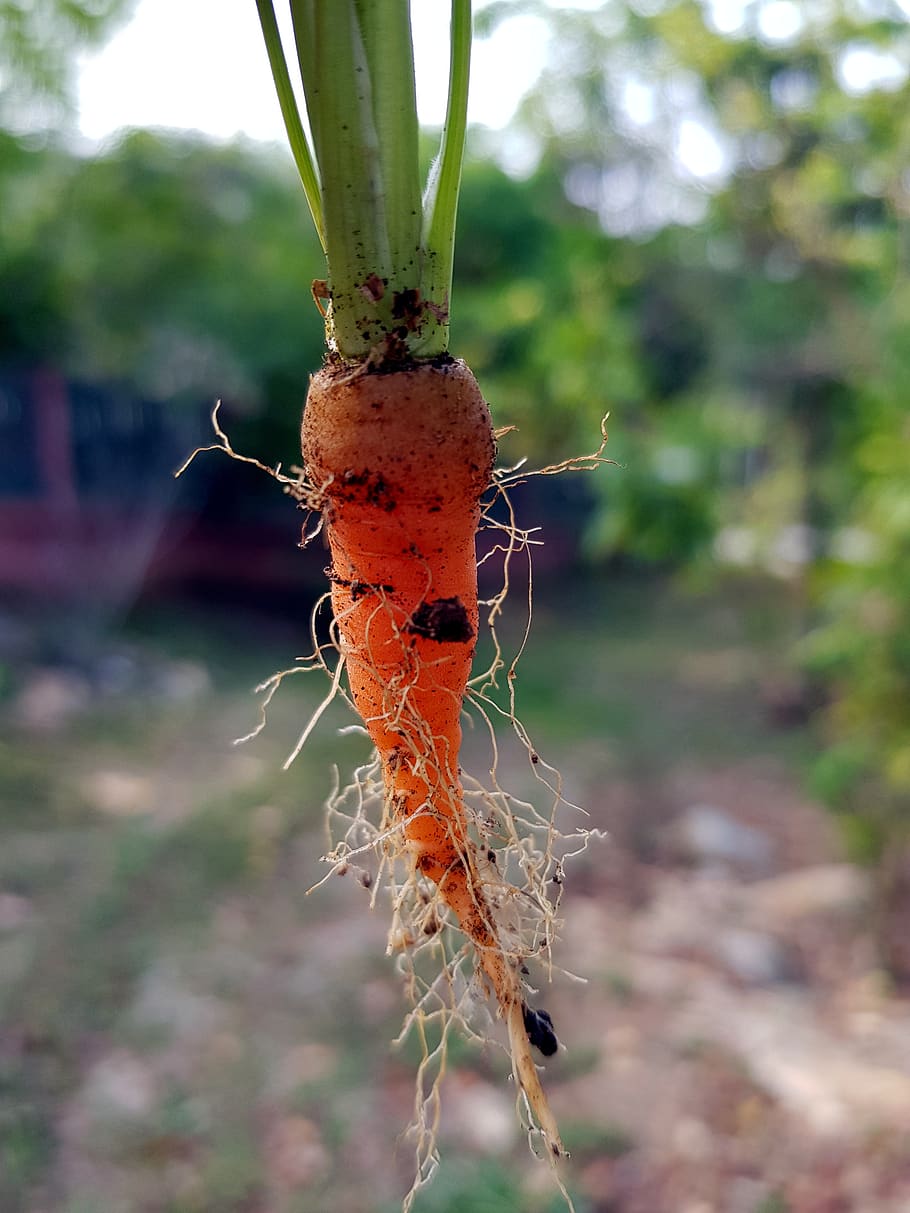
Carrots (Daucus carota subsp. sativus) need 60 to 80 days to mature, which puts them right in the sweet spot for August sowing in zones 5 and above. The trick is germination — carrot seeds are tiny and need consistent moisture for 10 to 14 days. Sow them ¼ inch (6 mm) deep and cover with a thin layer of vermiculite or fine compost to prevent crusting. Water daily until you see sprouts. 'Nantes' and 'Danvers' types are reliable for fall. Carrots left in the ground after frost become remarkably sweet as the plant concentrates sugars in the root.
Beets
Beets (Beta vulgaris) are faster than carrots — 50 to 65 days to harvest — and more forgiving about soil conditions. Each "seed" is actually a cluster of 2 to 4 seeds, so you will need to thin seedlings to 3 inches (7.5 cm) apart. 'Detroit Dark Red' is the classic, but 'Chioggia' with its candy-striped interior and 'Golden' beets are worth growing for variety. Do not forget that beet greens are edible and delicious — you can start harvesting them long before the roots size up.
Radishes and Turnips
Radishes (Raphanus sativus) are the fastest crop you can grow — spring varieties mature in 21 to 30 days, making them a near-instant reward for August planting. But consider also planting daikon or watermelon radishes, which take 50 to 60 days and produce large, mild roots perfect for fall cooking. Turnips (Brassica rapa subsp. rapa) are another dual-purpose crop: harvest young greens in 30 days or wait 45 to 60 days for the roots. 'Hakurei' is a Japanese variety that produces tender, sweet white roots you can eat raw.
Herbs That Thrive in Late Summer Planting

August is the perfect time to start or refresh your herb garden. Several culinary herbs actually prefer the cooler temperatures ahead:
- Cilantro (Coriandrum sativum) — bolts almost instantly in summer heat, but fall plantings stay leafy for weeks. Direct-sow every 10 days for continuous harvests. Ready in 21 to 28 days for leaf harvest.
- Dill (Anethum graveolens) — similar to cilantro, it bolts fast in heat but produces beautifully in cooler fall weather. Direct-sow now; harvest leaves in 40 days.
- Parsley (Petroselinum crispum) — slow to germinate (14 to 21 days) so get it started now. Italian flat-leaf has the best flavor. Once established, it overwinters in zones 5 and above.
- Chervil (Anthriscus cerefolium) — an underused herb with a delicate anise-parsley flavor. It hates heat and needs to be planted in late summer. Direct-sow in partial shade.
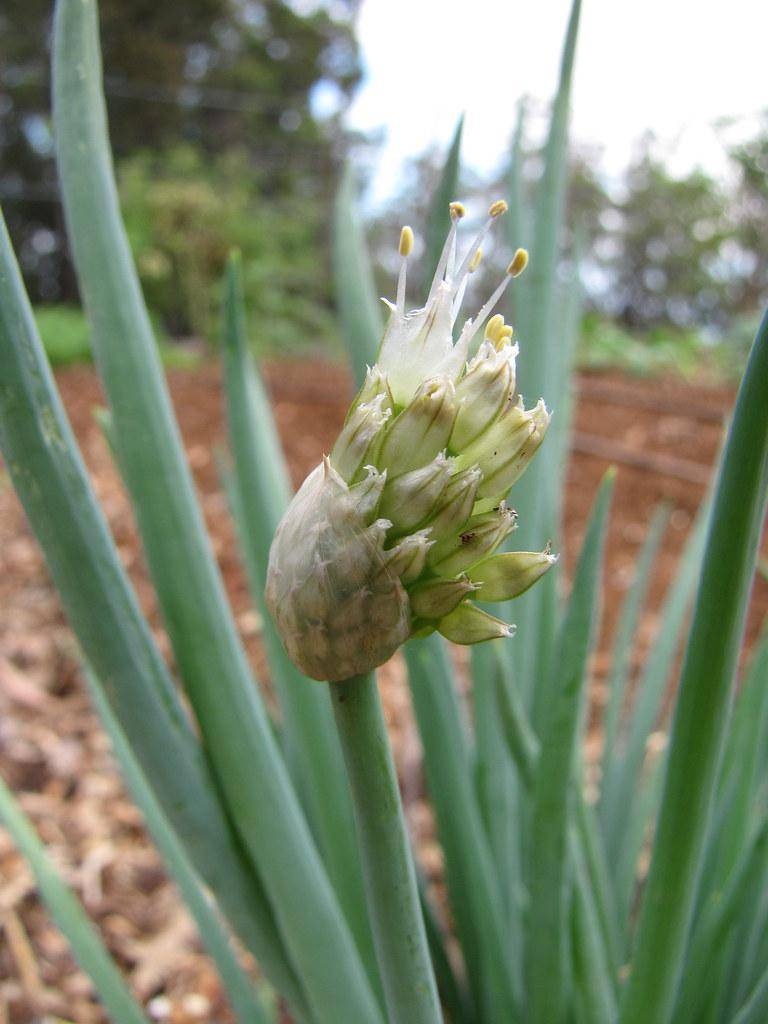
- Green onions (Allium fistulosum) — technically not an herb, but essential in the kitchen. Sets or seeds planted now give you scallions in 30 to 60 days, and they overwinter well with mulch.
Protecting August Plantings from Late-Summer Heat
The biggest challenge with August planting is not the shortened season — it is the heat. Soil temperatures above 85°F (29°C) inhibit germination for many cool-season crops, and intense afternoon sun can stress tender seedlings. Here is how to give your fall plantings the best start:

- Shade cloth (30–50%) — suspend it 18 to 24 inches (45–60 cm) above seedbeds to reduce soil temperature by 10 to 15°F (5–8°C). Remove it once nighttime lows consistently drop below 70°F (21°C).
- Mulch heavily — 2 to 3 inches (5–7.5 cm) of straw, shredded leaves, or grass clippings insulates the soil and retains moisture. Pull mulch back slightly from seedling stems to prevent damping off.
- Water in the morning — deep watering before the heat of the day gives roots time to drink before evaporation kicks in. Drip irrigation or soaker hoses are ideal. If you are managing watering across your whole garden, prioritize newly planted beds.
- Start seeds indoors — for crops like lettuce and brassicas that struggle in hot soil, start seeds in trays in a cool spot and transplant after 2 to 3 weeks. A north-facing windowsill or a shaded porch works well.
- Sow in the evening — planting late in the day gives seeds a full night of cooler temperatures before facing the next day's sun.
A Real August Planting Timeline
Nick from New York (zone 7a, first frost around October 25) shared his August planting approach in a Tendra community thread last year, and it is a textbook example of working the window:
- August 1–5: Set out broccoli and cauliflower transplants he had started indoors in early July. Added shade cloth for the first two weeks.
- August 8–10: Direct-sowed carrots, beets, and turnips. Pre-soaked carrot seeds overnight and mixed them with sand for easier spacing.
- August 12–15: Sowed three rows of spinach and two rows of lettuce in a bed that had just finished producing bush beans. Added compost and watered deeply before sowing.
- August 20: Planted cilantro, dill, and a second round of radishes as interplantings between the brassicas.
- August 25: Direct-sowed kale and collard seeds where his cucumber vines had been removed.
By mid-October, Nick was harvesting broccoli heads, pulling beets, and cutting lettuce every few days. His carrots stayed in the ground past Thanksgiving, covered with straw, and he pulled the last ones in December — the sweetest carrots he had ever grown. That is what a good August planting plan delivers.
What to Plant in August: The Quick-Reference List
Here is your at-a-glance planting list for August, organized by how much time each crop needs. Match these against your zone's first frost date to see what fits your window:
21–35 Days (Fast Crops)
- Radishes — direct sow
- Arugula — direct sow
- Lettuce (loose-leaf) — direct sow or transplant
- Cilantro — direct sow
- Mustard greens — direct sow
- Baby kale — direct sow, harvest young
35–60 Days (Medium Crops)
- Spinach — direct sow
- Swiss chard — direct sow
- Turnips — direct sow
- Beets — direct sow
- Kohlrabi — direct sow or transplant
- Green onions — sets or seed
- Bush beans (zones 7+) — direct sow
- Dill — direct sow
60–90 Days (Long Crops)
- Broccoli — transplant
- Cauliflower — transplant
- Cabbage — transplant
- Carrots — direct sow
- Parsley — direct sow (start now for slow germination)
- Brussels sprouts (zones 7+) — transplant only if started in July
Succession Planting: Keep the Harvests Coming
One of the smartest things you can do in August is not plant everything at once. Stagger your sowings by 7 to 14 days and you will avoid the feast-or-famine cycle where everything matures at the same time. This is especially important for greens and radishes, which have narrow harvest windows before they get tough or bolt.
If you grew summer crops using succession planting techniques, apply the same approach to your fall garden. Sow a short row of spinach on August 10, another on August 24, and a third on September 7. You will be pulling fresh spinach from late September through November instead of getting one overwhelming harvest in mid-October.
This is where Tendra's smart care reminders become genuinely useful — you can set up reminders for each succession sowing date so you do not lose track of the schedule in the busy late-summer rush. No more "I forgot to plant that second round of beets" moments.
Preparing Your Beds for Fall Crops
Spent summer crops leave behind depleted soil. Before planting fall crops, take 30 minutes to reset your beds:
- Clear and compost — pull out finished crops and add them to the compost pile (unless they were diseased — those go in the trash). Remove any weed competition.
- Amend the soil — work in 1 to 2 inches (2.5–5 cm) of finished compost. Summer crops, especially tomatoes and squash, are heavy feeders that deplete nitrogen and organic matter.
- Check soil moisture — August soil can be bone-dry below the surface. Water deeply 24 hours before planting so seeds and transplants go into evenly moist soil, not a dusty void.
- Test pH if you can — brassicas prefer slightly alkaline soil (6.5–7.0), while most root crops and greens do well at 6.0–6.8. A quick soil test now saves frustration later.
If your summer garden dealt with heat wave damage, August bed prep is also your chance to repair compacted, dried-out soil before the fall growing season begins.
Do Not Skip Cover Crops
For any beds you will not plant with food crops this fall, sow a cover crop. Crimson clover, winter rye, or a mix of both will protect your soil from erosion, suppress weeds, and add organic matter that you can turn under in spring. Scatter seeds over the bed, rake lightly, and water. It takes five minutes and saves you hours of spring soil rebuilding.
Start Planning Now — Your Fall Garden Will Thank You
August planting rewards gardeners who act. The soil is warm, pest pressure is dropping, and every week of delay is a week of harvest you will not get back. Pick three or four crops from the list above, match them to your frost date, and get seeds in the ground this weekend. Your October self will be grateful.
If you want to connect with local gardeners in your zone who are planting the same crops right now, Tendra's Twin Plant Mates feature pairs you with nearby growers so you can compare timing, swap surplus seedlings, and troubleshoot together. Discover what local gardeners are growing with Tendra — where plant parents connect and thrive.