Why Shade Plants Deserve a Spot in Every Garden
That dark corner under the old oak. The narrow side yard that barely sees an hour of direct light. The north-facing bed where everything you plant seems to sulk and fade. Most gardeners look at these spots and see problems. But here's what experienced growers know: shade plants don't just tolerate low light — many of them actually prefer it.
Roughly 70% of the world's plant species evolved beneath forest canopies, which means the real oddity is a plant that demands full sun. Your shaded areas aren't wastelands. They're opportunities for some of the most textured, colorful, and low-maintenance plantings you'll ever grow.
This guide covers 15 shade plants organized by type — perennials, shrubs, ground covers, and annuals — with honest notes on light levels, soil, and hardiness zones so you can match the right plant to the right spot in your yard.
Understanding Shade: Part Shade vs. Full Shade
Before you buy a single plant, you need to know what kind of shade you're working with. These two categories make or break your success:
- Part shade (partial shade): 2–4 hours of direct sunlight per day, or consistent dappled light filtered through a tree canopy. Most shade plants thrive here.
- Full shade: Less than 2 hours of direct sun, or bright indirect light only. Fewer plants handle this, but the ones that do are spectacular.
A quick tip: observe your planting area at 10 AM, noon, 2 PM, and 4 PM on a sunny day. Note which spots get direct beams vs. filtered light. That 30-minute exercise saves you from planting a part-shade lover in a full-shade pocket — and wondering why it refuses to bloom.
Shade-Loving Perennials
Perennials are the backbone of any shade garden. Plant them once, and they come back stronger each year. These five are the most reliable performers for shaded beds.
1. Hostas

Hosta spp. — the undisputed royalty of shade gardening. With over 3,000 registered cultivars ranging from 4-inch (10 cm) miniatures like 'Blue Mouse Ears' to 4-foot (1.2 m) giants like 'Empress Wu,' there's a hosta for every shaded corner.
- Light: Part shade to full shade. Gold and yellow varieties need more light; blue-leaved types prefer deeper shade.
- Soil: Rich, moist, well-drained. Amend with compost annually.
- Zones: 3–9
- Pro tip: Slugs are the eternal hosta nemesis. Copper tape around containers or iron phosphate bait keeps them at bay without harming pets.
2. Ferns

Polypodiopsida — ferns have been growing in shade since before flowering plants existed. That's 360 million years of practice. Japanese painted fern (Athyrium niponicum) brings silver and burgundy tones to otherwise green shade beds, while Christmas fern (Polystichum acrostichoides) stays evergreen through Zone 3 winters.
- Light: Part shade to full shade. Most ferns scorch in direct sun.
- Soil: Consistently moist, humus-rich, slightly acidic (pH 5.5–6.5).
- Zones: 3–10 depending on species
- Pro tip: Don't cut back evergreen fern fronds in fall — they protect the crown through winter. Remove old fronds in spring when fiddle heads emerge.
3. Astilbe

Astilbe spp. — if you think shade gardens can't have color, astilbe will change your mind. These feathery plumes come in white, pink, red, lavender, and peach, blooming from early to late summer depending on variety. 'Fanal' delivers deep crimson; 'Bridal Veil' offers pure white elegance.
- Light: Part shade. Tolerates morning sun with afternoon shade.
- Soil: Moist, rich. Astilbe hates drying out — mulch heavily and water during dry spells.
- Zones: 3–8
- Pro tip: Leave spent flower plumes standing through winter. They add architectural interest to dormant beds and self-sow gently.
4. Bleeding Heart

Lamprocapnos spectabilis — those dangling heart-shaped flowers are one of spring's most iconic sights. Old-fashioned bleeding heart goes dormant by midsummer (plant ferns or hostas nearby to fill the gap), while the fringed species (Dicentra eximia) blooms from spring through fall and keeps its foliage all season.
- Light: Part shade to full shade. More shade extends the bloom period.
- Soil: Moist, well-drained, humus-rich.
- Zones: 3–9
- Pro tip: The 'Gold Heart' cultivar has chartreuse foliage that lights up dark corners even after blooming ends.
5. Coral Bells

Heuchera spp. — forget the flowers (though hummingbirds love them). Coral bells are grown for foliage that comes in nearly every color: 'Obsidian' is jet black, 'Lime Rickey' is electric chartreuse, 'Georgia Peach' shifts from peach to rose as temperatures drop. The leaf color persists from spring through fall, making them one of the most reliable sources of non-green color in shade.
- Light: Part shade. Dark-leaved varieties tolerate more sun; lighter colors prefer more shade.
- Soil: Well-drained, neutral to slightly acidic. They despise wet winter soil — crown rot is the #1 killer.
- Zones: 4–9
- Pro tip: Heuchera crowns rise out of the soil over time. Mulch around the base each fall or lift and replant deeper every 3–4 years.
Best Shade Garden Shrubs
Shrubs provide the structure and backbone that perennials build around. These three are proven performers in shade and deliver year after year without replanting.
6. Hydrangea

Hydrangea macrophylla — the mophead and lacecap hydrangeas are arguably the most popular shade shrubs in American gardens, and for good reason. Their massive flower clusters shift from blue to pink depending on soil pH (acidic = blue, alkaline = pink), giving you a built-in color experiment. 'Endless Summer' rebloom varieties flower on both old and new wood, so even a harsh pruning won't cost you a season of blooms.
- Light: Part shade. Morning sun with afternoon shade is ideal, especially in zones 7+.
- Soil: Rich, moist, well-drained. Add sulfur to push blooms blue; lime for pink.
- Zones: 5–9
- Pro tip: If you're unsure about your soil's pH and how it might affect bloom color, Tendra's AI plant identification can help you diagnose what's going on when your hydrangea isn't blooming the color you expected.
7. Azalea

Rhododendron spp. (Azalea group) — azaleas explode with color in mid-spring, covering themselves in blooms so thick you can barely see the leaves. Encore azaleas rebloom in summer and fall for extended color. Native species like flame azalea (R. calendulaceum) are stunning in woodland gardens and support local pollinators.
- Light: Part shade. Pine-filtered light mimics their native woodland habitat perfectly.
- Soil: Acidic (pH 4.5–6.0), well-drained, rich in organic matter. Never plant deep — azalea roots are shallow.
- Zones: 5–9 (varies by species)
- Pro tip: Mulch with pine straw or shredded oak leaves to maintain acidity naturally, and keep mulch 2 inches (5 cm) away from the trunk.
8. Rhododendron

Rhododendron spp. — the bigger, bolder cousins of azaleas, rhododendrons bring evergreen structure to shade gardens year-round. Their leathery leaves look good even in winter, and spring flower trusses come in white, pink, purple, red, and yellow. 'PJM' is bulletproof in cold climates (Zone 4), while 'Roseum Elegans' handles heat and humidity through Zone 8.
- Light: Part shade to full shade. Protect from harsh afternoon sun and drying winter winds.
- Soil: Acidic, moist, well-drained. They share the same soil requirements as azaleas — these are close relatives after all.
- Zones: 4–8
- Pro tip: Rhododendron leaves curl downward in cold weather — this is normal thermonasty behavior, not a sign of distress. They'll flatten back out when temperatures rise.
Shade-Loving Ground Covers
Ground covers solve the problem of bare soil under trees and along shaded paths. These two spread reliably without becoming invasive nightmares, and they look far better than mulch alone. For more options, check out our guide to ground cover plants.
9. Sweet Woodruff

Galium odoratum — sweet woodruff is a European native that spreads by runners to form a fragrant 6–8 inch (15–20 cm) carpet of whorled leaves topped with tiny white star-shaped flowers in late spring. The dried foliage smells like fresh-cut hay and vanilla — it's traditionally used to flavor May wine in Germany.
- Light: Part shade to full shade. One of the best performers in deep shade.
- Soil: Average to moist, well-drained. Tolerates clay once established.
- Zones: 4–8
- Pro tip: Sweet woodruff spreads vigorously in ideal conditions. Contain it with a border or plant it where spreading is welcome — under trees, along paths, or in woodland areas.
10. Wild Ginger

Asarum canadense — native wild ginger is the ground cover for the spots you've given up on. It thrives in deep shade, spreads steadily by rhizomes, and its large heart-shaped leaves create a dense mat that suppresses weeds naturally. The hidden maroon flowers at soil level in spring are pollinated by ground-dwelling beetles — one of nature's more unusual arrangements.
- Light: Full shade to part shade. One of the few plants that genuinely prefers full shade.
- Soil: Rich, moist, humus-heavy. Mimics the forest floor it evolved on.
- Zones: 3–7
- Pro tip: Despite the name, native wild ginger isn't related to culinary ginger (Zingiber officinale). The rhizomes have a ginger-like scent but aren't used as a spice.
Annual Shade Plants for Season-Long Color
Annuals fill the gaps with non-stop color from late spring through first frost. They're also the best way to experiment with shade gardening before committing to perennials.
11. Impatiens
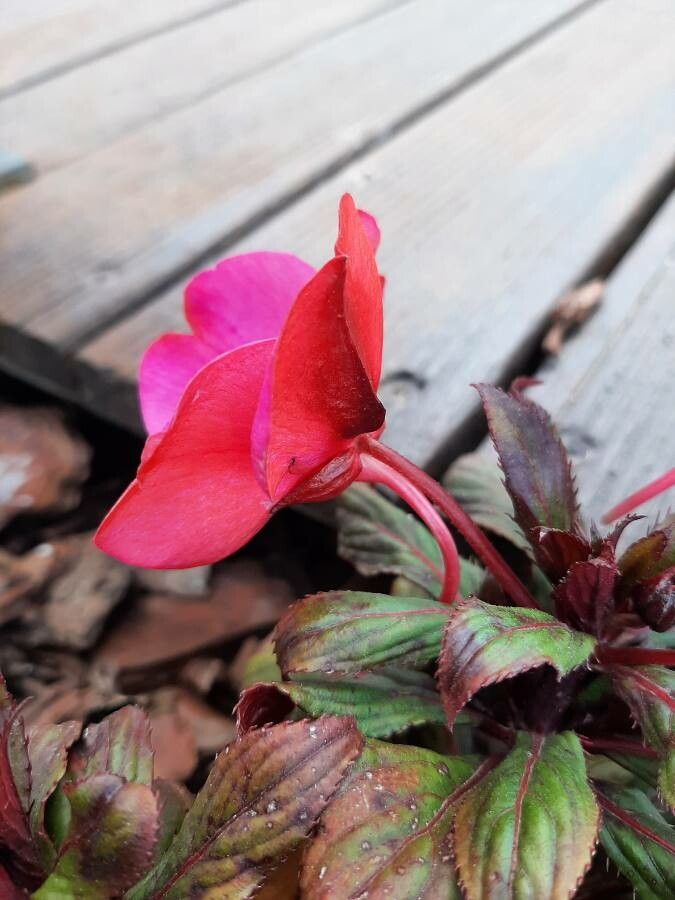
Impatiens walleriana — the classic shade annual, and for good reason. Impatiens pump out flowers continuously without deadheading, in every color from white through salmon, red, violet, and bicolors. New Guinea impatiens (I. hawkeriana) handle more sun and offer larger flowers with bronze or variegated foliage.
- Light: Part shade to full shade (standard); part shade to part sun (New Guinea types).
- Soil: Moist, rich, well-drained. Consistent moisture is critical — they wilt dramatically when dry (but bounce back fast with water).
- Zones: Annual in all zones; perennial in zones 10–11
- Note: Impatiens downy mildew wiped out standard impatiens in the early 2010s across the eastern US. Resistant varieties like the Beacon and Imara series have largely solved this problem.
12. Begonias
Begonia spp. — wax begonias (B. semperflorens) are practically indestructible shade annuals with glossy leaves and continuous blooms. But the real stars are tuberous begonias with dinner-plate-sized double flowers, and rex begonias with kaleidoscopic metallic foliage. Angel wing types get 2–3 feet (60–90 cm) tall and make striking container specimens.
- Light: Part shade. Wax begonias tolerate more sun than most shade annuals.
- Soil: Light, well-drained, slightly acidic. Overwatering causes stem rot faster than underwatering causes wilt.
- Zones: Annual in most zones; some tuberous types hardy to Zone 6 with mulching
13. Coleus
Coleus scutellarioides — coleus has had a massive renaissance. Modern cultivars like the 'Under the Sea' and 'Wicked' series feature wildly ruffled, deeply lobed leaves in combinations of chartreuse, burgundy, copper, pink, and cream that look nothing like your grandmother's coleus. They're grown purely for foliage, so pinch flower spikes to keep the leaves lush.
- Light: Part shade to full shade. Sun-tolerant varieties exist, but most prefer shelter from intense afternoon light.
- Soil: Rich, moist, well-drained.
- Zones: Annual everywhere except zones 10–11
- Pro tip: Coleus roots ridiculously easily from cuttings. Snip a 4-inch (10 cm) stem, strip the lower leaves, and stick it in water. Roots appear in 5–7 days.
14. Caladium
Caladium bicolor — if you want tropical drama in shade, caladiums deliver. Their large, paper-thin, arrow-shaped leaves come in shocking combinations of red, pink, white, and green. 'Florida Sweetheart' is rose pink with green edges; 'Moonlight' is almost pure white. Plant the tubers after soil warms to 65°F (18°C) — they sulk in cold ground.
- Light: Part shade to full shade. Direct sun scorches the thin leaves.
- Soil: Rich, moist, well-drained, warm. Cold wet soil rots the tubers.
- Zones: Hardy in zones 9–11; grow as annual or dig tubers in fall elsewhere
15. Fuchsia
Fuchsia spp. — the dangling two-toned flowers of fuchsia are hummingbird magnets and shade garden showstoppers. Trailing varieties like 'Swingtime' are spectacular in hanging baskets; upright types work in beds and borders. Hardy fuchsia (F. magellanica) survives winters through Zone 6 and grows as a 3-foot (90 cm) shrub.
- Light: Part shade. Morning sun with afternoon shade, or bright filtered light all day.
- Soil: Rich, moist, well-drained. Feed every two weeks during the growing season.
- Zones: Annual in most areas; F. magellanica hardy to Zone 6
- Pro tip: Fuchsias hate heat above 85°F (29°C). In hot climates, keep them in the shadiest spot you have and mist the foliage during heat waves.
How Sarah from Portland Built a Shade Garden That Actually Works
Sarah's backyard in Portland is dominated by three mature Douglas firs. When she moved in, the shaded understory was bare dirt, moss, and a few struggling patches of grass. "I spent my first year trying to grow sun-loving perennials in denial," she says. "Spent maybe $300 on plants that all slowly died."
Year two, she got realistic. She mapped her shade patterns over a full weekend — marking which areas got dappled morning light versus complete afternoon shadow. Then she layered: rhododendrons and hydrangeas for structure along the fence, a mid-layer of hostas (she chose 'Sum and Substance' for the brighter spots and 'Halcyon' for deeper shade), astilbe for summer color, and sweet woodruff as a living carpet underneath everything.
"The game changer was understanding that shade doesn't mean dark," Sarah explains. "Most of my yard gets plenty of ambient light — it's just not direct. Once I stopped fighting that and planted things that actually wanted those conditions, everything took off." Three years later, her understory garden is one of the most visited on Portland's annual garden tour.
Sarah used Tendra's AI plant identification feature early on to confirm species she found growing wild in the mossy areas — turns out she already had native wild ginger and sword ferns establishing themselves naturally. Rather than clearing them, she designed around them.
Soil and Site Prep for Shade Gardens
Shade garden soil is different from sunny bed soil, and treating it the same is a common mistake. Tree roots compete aggressively for water and nutrients, and fallen leaves create naturally acidic conditions. Here's what to do about it:
- Amend generously. Work 3–4 inches (8–10 cm) of compost into the top 8 inches (20 cm) of soil before planting. Shade plants rely on rich, moisture-retentive soil since they can't photosynthesize as aggressively.
- Mulch consistently. Apply 2–3 inches (5–8 cm) of shredded leaf mulch or pine bark annually. This mimics the natural forest floor these plants evolved on.
- Address drainage. Shade plus poor drainage equals root rot. If water pools after rain, raise beds 6–8 inches (15–20 cm) or add coarse sand and perlite to the soil mix.
- Test your pH. Most shade plants prefer slightly acidic soil (pH 5.5–6.5). Azaleas, rhododendrons, and ferns need the lower end of that range.
For indoor shade situations, our guides on low light houseplants and bathroom plants cover species that handle the even lower light levels found inside homes.
Putting It All Together: Shade Garden Design by Light Level
Here's a quick reference to help you match plants to your specific conditions:
Full shade performers (under 2 hours of direct sun):
- Hostas (especially blue-leaved varieties)
- Ferns (most species)
- Wild ginger
- Sweet woodruff
- Caladium
- Impatiens (standard varieties)
Part shade performers (2–4 hours of direct sun):
- Astilbe
- Bleeding heart
- Coral bells
- Hydrangea
- Azalea
- Rhododendron
- Begonias
- Coleus
- Fuchsia
Layer your shade garden in three tiers: tall shrubs (hydrangea, rhododendron, azalea) at the back or center, mid-height perennials (hostas, astilbe, coral bells, bleeding heart) in the middle, and ground covers (sweet woodruff, wild ginger) plus low annuals (impatiens, begonias) at the front. This creates depth and visual interest even without a single ray of direct sunlight.
Shade gardens tend to be lower maintenance than sunny beds once established. Less sun means slower evaporation, fewer weeds, and less frequent watering. Your biggest ongoing tasks will be slug management, annual mulching, and dividing perennials every 3–4 years when they outgrow their space.
Start Your Shade Garden This Season
The best shade plants aren't fighting their conditions — they're built for them. Whether you're working with a few hours of dappled light or a fully shaded woodland floor, this list gives you reliable options across every category: perennials for long-term structure, shrubs for year-round presence, ground covers for filling bare spots, and annuals for instant color.
Start with three to five varieties that match your light level and soil type. Plant them this season, mulch well, water consistently through the first year, and let them settle in. By next spring, you'll wonder why you ever considered that shaded corner a problem.
Discover AI plant identification and local grower connections with Tendra — where local gardeners connect and thrive.